
What Lake City's 1980s Housing Stock Means for Your Garage Door
Most Lake City homes date to 1972-1994, with original garage door hardware.
Read moreMost Lake City garage doors date to the 1970s-90s build boom, before insulation codes existed. Here's how that history and our mild, freeze-prone climate affect your door.
Local detail
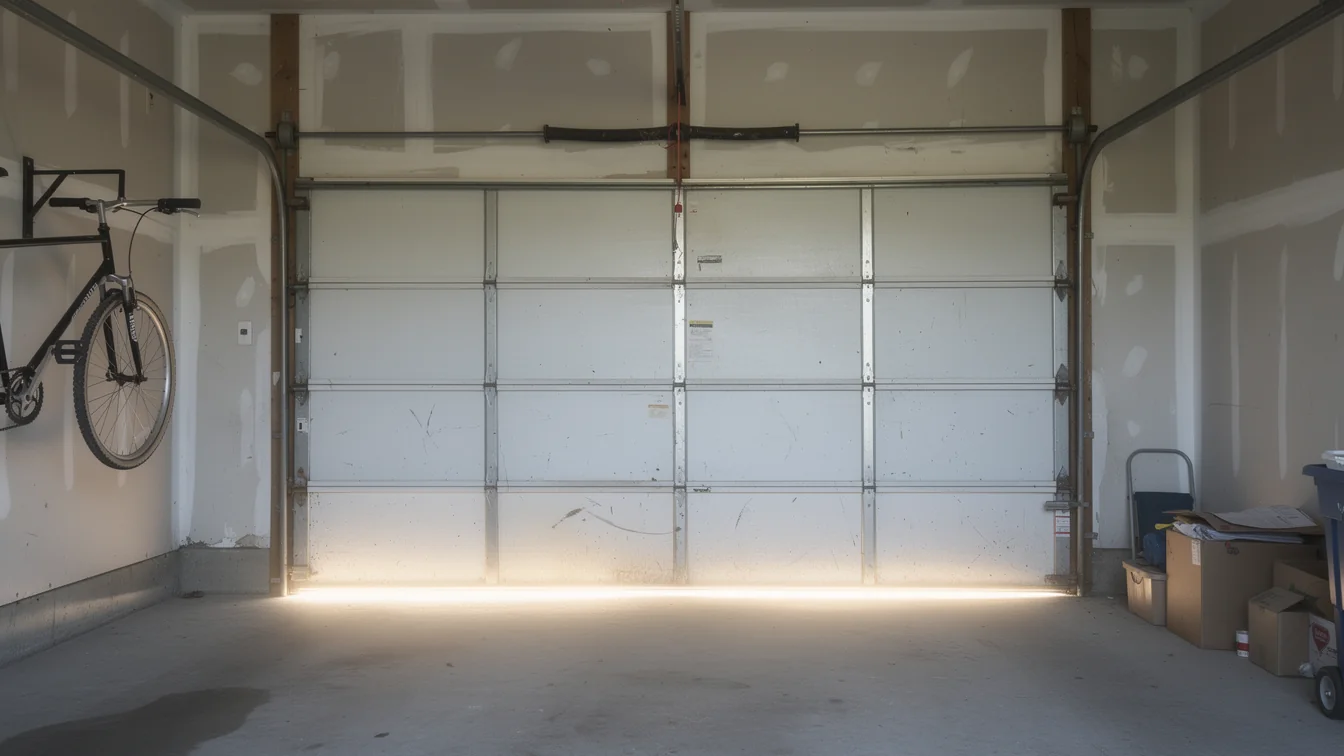
Walk through most neighborhoods in the Lake City service area and you're looking at housing stock that went up between 1972 and 1994, with the typical home dating to around 1982. That matters more than people think. Garage doors installed during that build window went in before any insulation requirement applied to them - they're often a single layer of steel over an open frame, with no thermal break and no vapor barrier. Builders weren't cutting corners; insulated doors simply weren't standard yet, and in a lot of cases weren't offered at all. So when a homeowner calls asking why their garage feels like an oven in July or why the door sweats on a cold morning, the honest answer usually isn't a defect - it's the age of the door matching the age of the house. Across the four main housing pockets that make up this area, this is the dominant pattern, not the exception. Replacing that door with anything built to a modern standard is a real upgrade, not a cosmetic one, but it's also a bigger job than patching a seal or swapping a panel, and it needs to be priced and planned as that.
The area
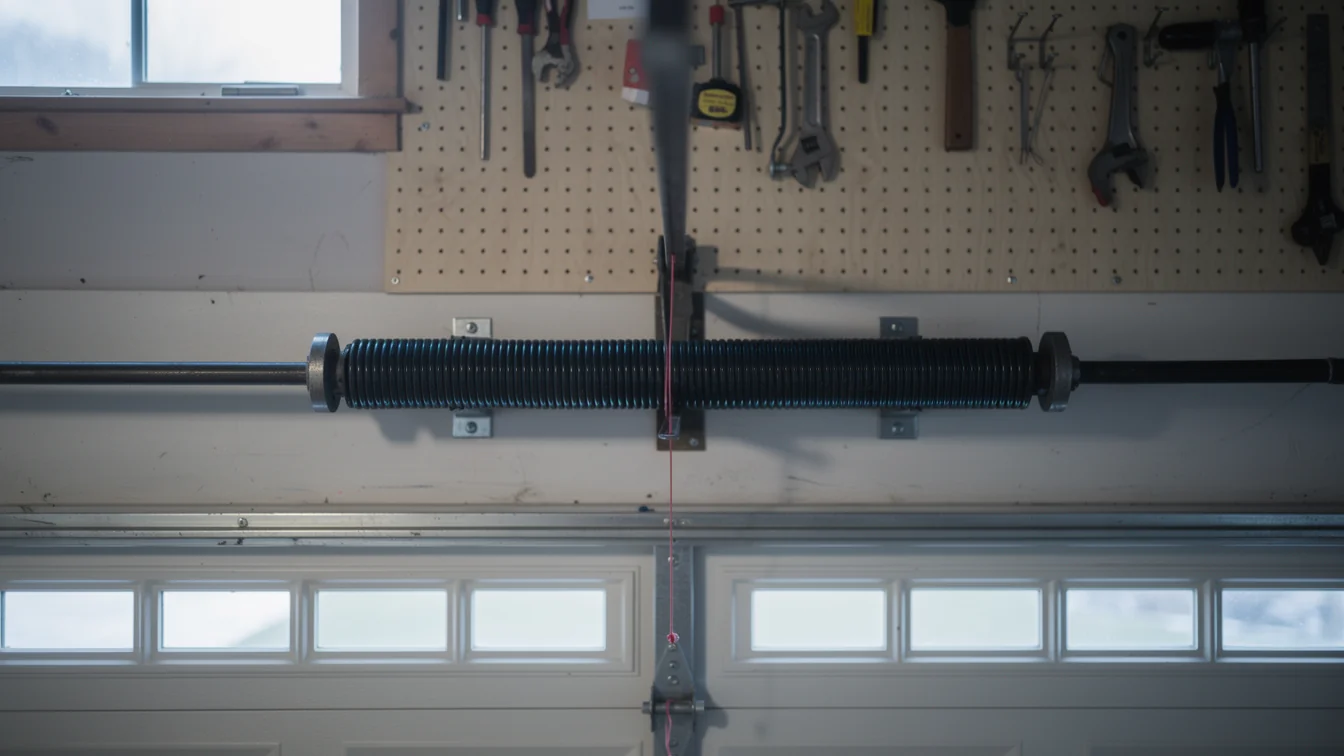
Lake City sits in a mild climate band, but it's not a climate without freeze risk - the area gets occasional freezing nights mixed into an otherwise warm year. That swing is harder on an uninsulated 1980s-era door than on a modern one. Steel contracts in a cold snap and expands again within days, and on a door with no insulation layer to buffer that movement, you get hardware that loosens, torsion springs that lose a little tension cycle after cycle, and tracks that drift out of alignment faster than they would in a steady climate. It's not dramatic - nobody's door falls off the wall - but it's a slow wear pattern that shows up as noise first, then as a door that doesn't seat evenly at the bottom. Because the freezes here are occasional rather than a hard winter season, a lot of these doors get decades of use before anyone addresses it, which is part of why the hardware on so many of them is original. The climate doesn't destroy these doors fast. It just quietly shortens their working life compared to a door built with modern materials.
What we find
With a median household income of $47,739 across roughly 2,236 households, and only about 759 of the houses in the area owner-occupied, a lot of repair decisions here come down to real budget trade-offs, not neglect. The mistake I see most isn't skipping maintenance - it's treating a 1980s door like it only needs a spring swap when the real issue is that the whole assembly, frame included, was never built to hold a modern opener's torque or an insulated panel's extra weight. People add a stronger opener to an old door and wonder why the top panel starts to bow. Others assume any noisy door needs full replacement when a bent roller bracket or worn hinge pin is the actual culprit and costs a fraction as much. The honest limitation here: I can't tell you which one your door has without looking at it, and a phone diagnosis on hardware this old is a guess, not a quote. If a repair starts looking like it costs more than half of a new door, replacement is usually the better call - but that's a case-by-case read, not a rule.
How we work
In Lake City's mild stretch, which covers most of the year, the main issue is routine wear rather than crisis - rollers drying out, weatherstripping going brittle, cables showing early fray. That's maintenance work, and it's cheap compared to what it prevents. The occasional freeze nights are shorter and less frequent here than in a true winter climate, but they still tighten up torsion springs and can make an already-stressed cable snap on an older door that was due for replacement anyway. Spring tension loss from repeated small temperature swings - rather than one hard freeze - is the pattern worth watching. Humidity swings through the warmer months also matter more to houses built in the 1972-1994 window, since most of those doors and their wood trim weren't sealed to today's standard. Wood jambs around an original steel door can swell and bind the track a little as humidity rises, then pull back when it drops. None of this calls for a seasonal schedule the way snow country does. It calls for noticing the door a little more when the weather actually turns, since in this climate, turns are the exception, not the rule.
Questions
Most houses in this area were built between 1972 and 1994, before garage doors came with insulation as standard. A single layer of uncoated steel does nothing to buffer outside temperature, so the garage tracks closely with whatever it's doing outside. It's not a malfunction - it's the age and type of door doing exactly what it was built to do.
Not the way you would in a colder climate. Lake City's band is mild with only occasional freezing nights, so there's no hard freeze-thaw season to plan around. What matters more is catching spring tension loss and hardware wear before an occasional cold snap turns a weak spring into a broken one.
It depends on what's wrong. If it's a roller, hinge, or cable issue on an otherwise sound frame, repair is usually the cheaper and right call. If the springs, track, and panel are all original and showing wear together, you're often close to the cost of replacement anyway, and a new insulated door will outperform the original by a wide margin.
Recommendation
More garage door guides for Lake City homeowners.
Most Lake City homes date to 1972-1994, with original garage door hardware.
Read more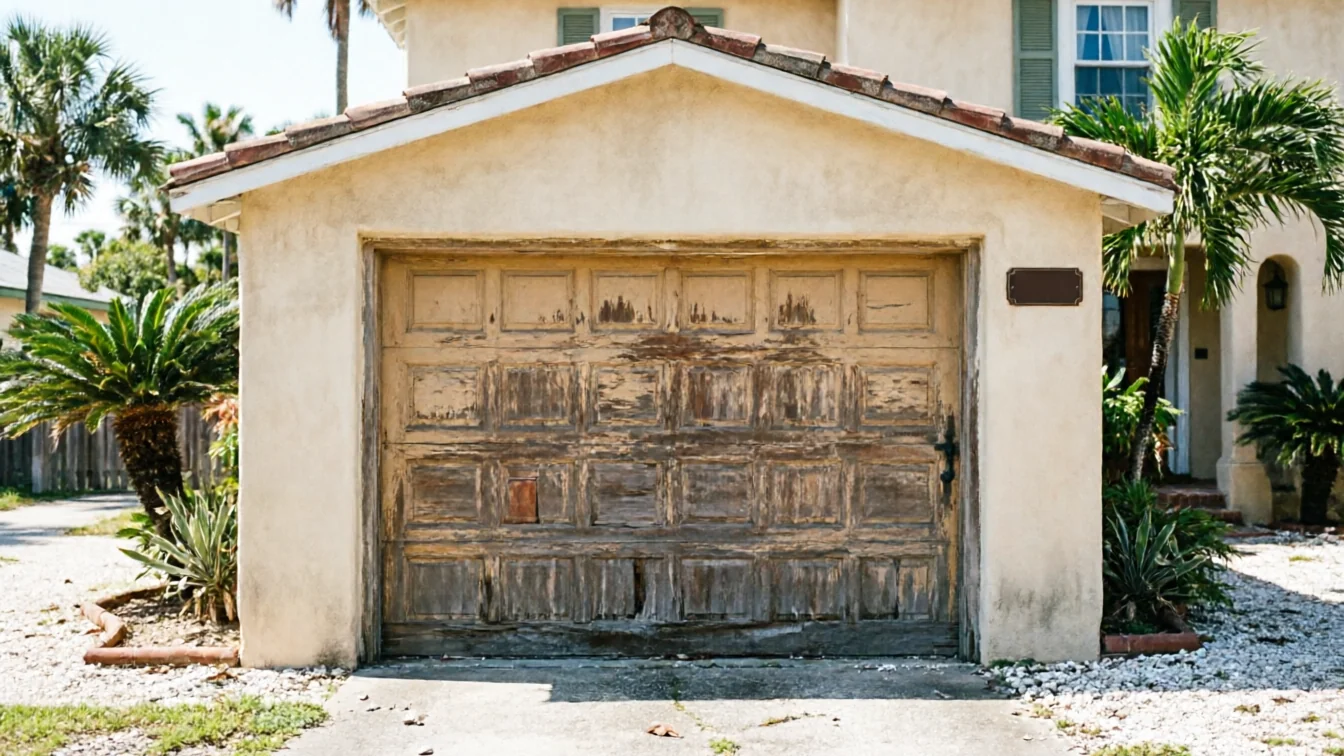
Most Lake City homes date to 1972-1994.
Read more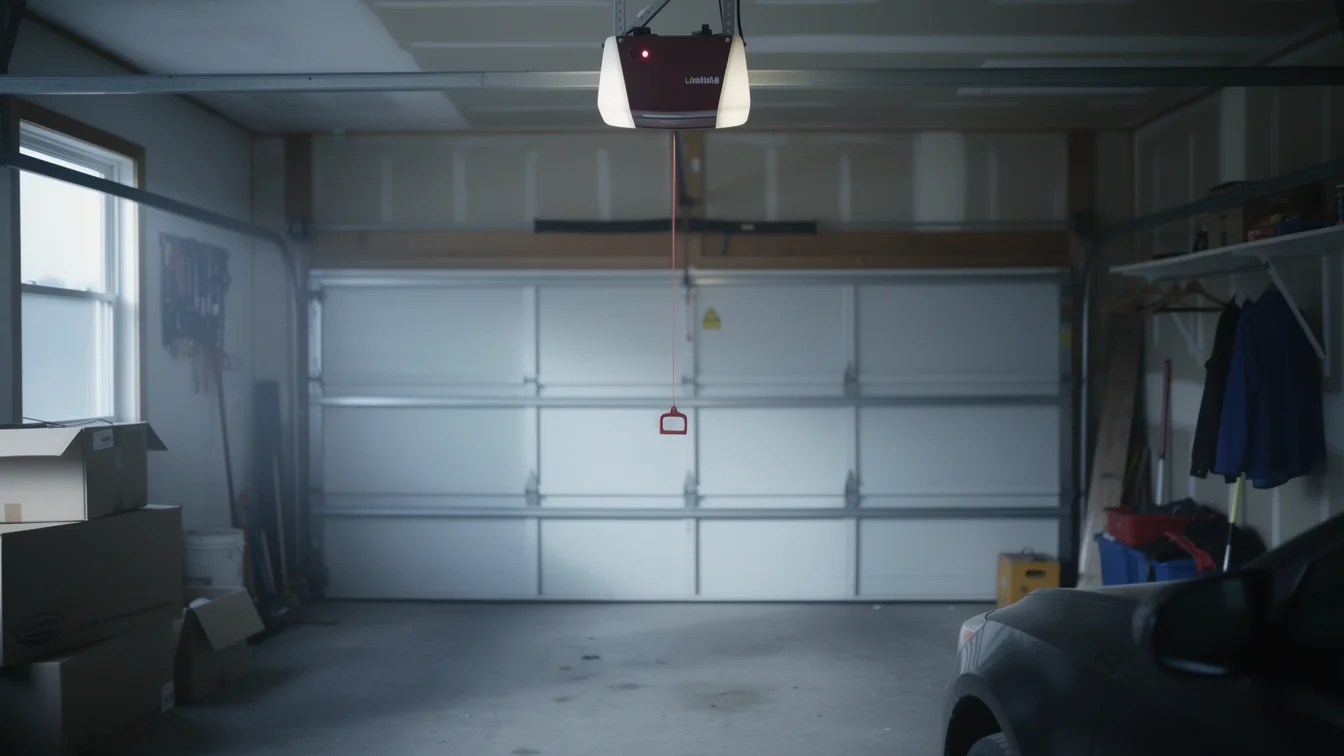
Most Lake City homes went up between 1972 and 1994, which means openers built for a grid that didn't cut out as often.
Read moreReady when you are
Lake City Garage Door Pros repairs and installs garage doors, springs and openers in Lake City, FL and the surrounding area.