
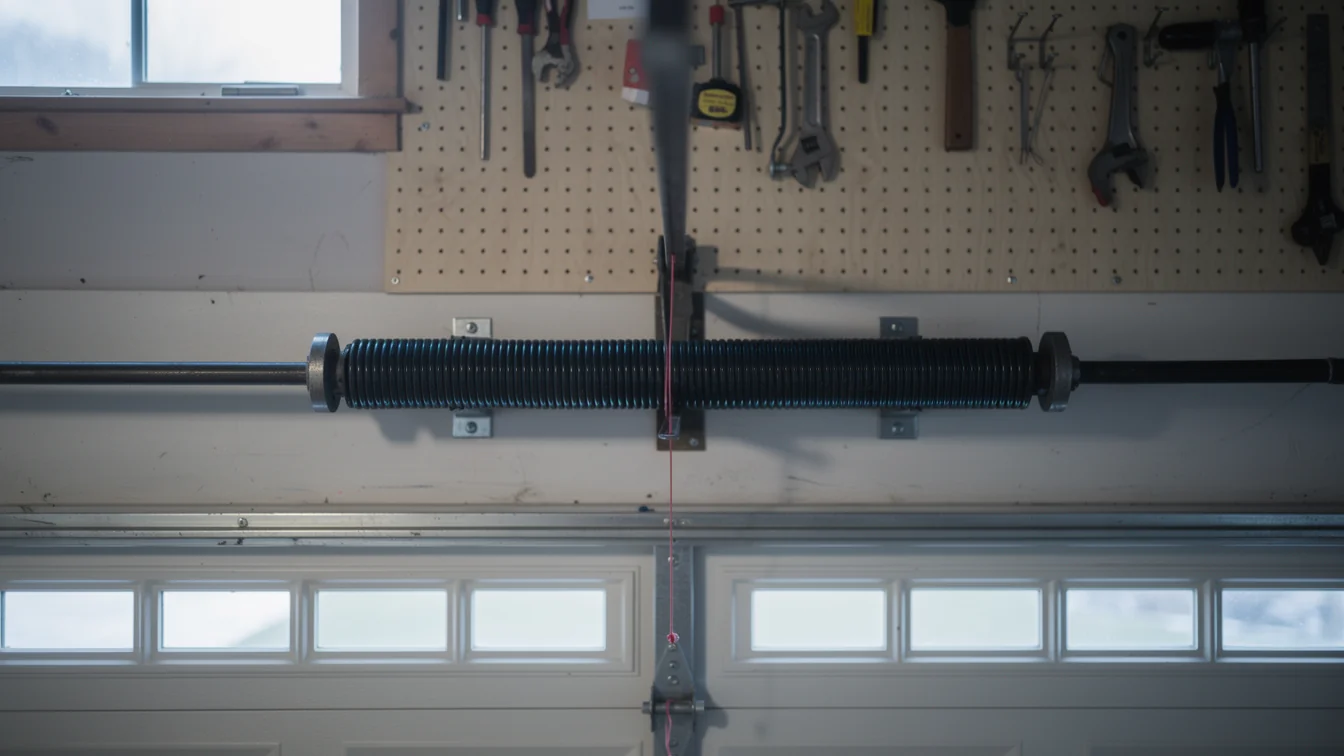
What Lake City's 1980s Housing Stock Means for Your Garage Door
Most Lake City homes date to 1972-1994, with original garage door hardware.
Read moreMost Lake City homes went up between 1972 and 1994, which means openers built for a grid that didn't cut out as often. Here's what that means for your door.
Local detail
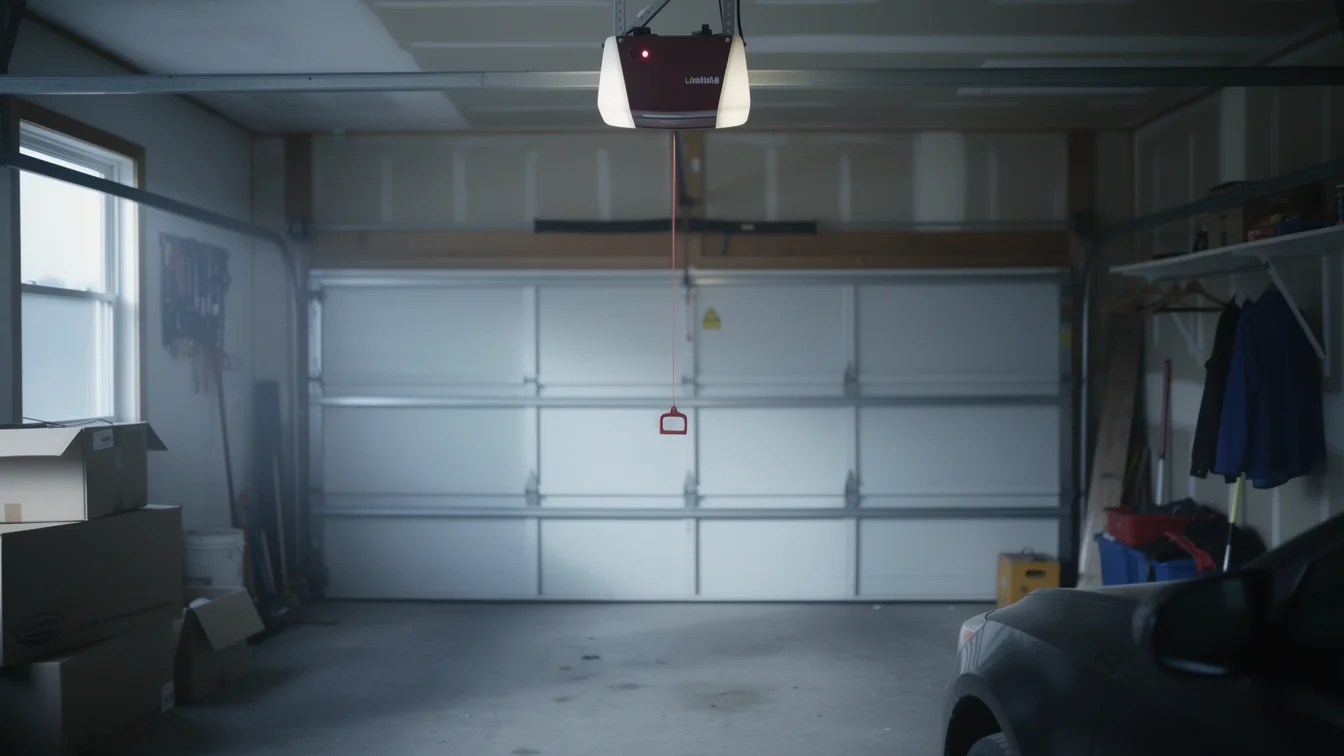
A garage door opener is the one appliance in the house that people forget runs on the grid until the grid drops. Around Lake City, Five Points, and Watertown, a lot of the housing stock dates to 1972 through 1994, with the median build year sitting around 1982. Openers from that era, and even a lot of the replacement units installed in the decades after in those same houses, were never built with a battery backup in mind. When the power goes, the door is stuck wherever it was when the lights went out, and the only way in or out is the manual release cord, if the homeowner can find it and knows which way to pull.
This matters more here than it would in a neighborhood built last year, because newer construction usually ships with a Wi-Fi opener that already has a battery backup built in. A house from 1982 almost never does unless somebody swapped the unit recently. The gap between what the house has and what it needs doesn't show up until the power actually cuts, and by then the family's standing in the driveway in the dark trying to remember where the red cord is.
The area
The climate here is mild with occasional freeze, not the kind of weather that beats up rubber seals and steel panels the way a harsher climate would. That's good news for the door itself. It's less good news for the power grid, because a mild-climate area with occasional hard freeze tends to see outages tied to those freeze events rather than routine storm hardening the way a colder region would have. A freeze that would be unremarkable further north can still knock out power locally for a stretch, and that's exactly when an opener without backup leaves a door sealed shut or stuck half-open.
With roughly 2,236 households and 759 owner-occupied houses across the area we work in, a good share of those are still running the opener that came with the house, or close to it. Add in a median household income of $47,739, and the decision a lot of folks make is to keep repairing an older opener rather than replace it outright, which is a reasonable call right up until the day the power cuts and there's no backup to fall back on.
What we find
The most common mistake is assuming a dead opener during an outage means a broken door. Nine times out of ten the door itself is fine; it's just that the motor has no power and the manual release hasn't been pulled. In homes built in the 1980s and 90s, that release cord is often original equipment, stiff from decades of not being touched, and some homeowners don't realize it's there until we walk them to it.
The second mistake is buying a battery backup unit without checking whether the existing opener and track are even worth the investment. If the opener is original to a house from the early 1980s, the backup battery might outlast the motor by a matter of months. We'll be straight with you here: we don't try to sell a backup battery onto a motor that's already on its way out. Sometimes the honest answer is that the opener needs replacing first, and the backup goes on the new unit, not the old one.
How we work
Because the climate band here is mild with only occasional freeze, there isn't a hard winter season that forces a yearly opener check the way a true cold-climate town would need. The freeze risk is scattered, not seasonal, which means the smart move is checking the manual release and the backup situation once a year rather than waiting for a cold snap to remind you.
Spring and fall don't bring much stress to the door itself given the mild conditions, but they're a good window to test the release cord before a freeze event catches the grid off guard. Summer heat doesn't push the opener motor the way deep cold would elsewhere, so the real risk window here is tied to power reliability during freeze events, not temperature swings on the door hardware. That's a different maintenance rhythm than you'd plan for in a harsher climate, and it's worth keeping separate in your head.
Questions
If your house dates to the 1972-1994 range common in this area and still has its original or early-replacement opener, it likely has no backup at all. Given that local outages tend to track with occasional freeze events rather than routine storms, a backup is worth considering, especially if the opener itself is still in good working order.
The opener motor has no power, but the door itself is almost always fine. Every opener has a manual release cord, usually a red handle hanging from the trolley, that disconnects the carriage from the motor so you can lift the door by hand. In older installs from the 1980s and 90s that cord can be stiff from disuse.
Depends on the opener's age and condition. If it's original to a house built in the early 1980s, the motor may be near the end of its life anyway, and we'd rather put a backup battery on a new unit than bolt one onto something that's going to fail soon regardless.
Recommendation
More garage door guides for Lake City homeowners.
Most Lake City homes date to 1972-1994, with original garage door hardware.
Read more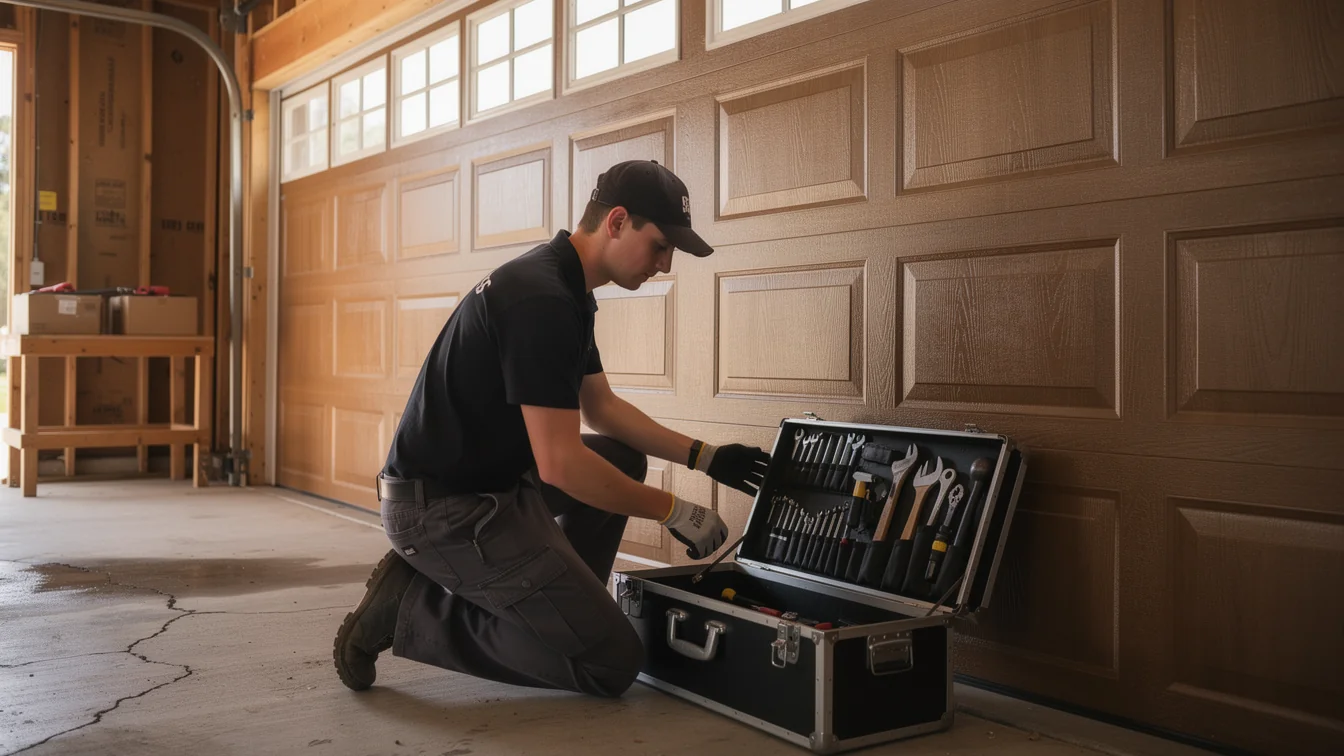
A service call in Lake City, FL checks the spring, opener, and track on homes built mostly between 1972 and 1994, matched to this area's mild, humid climate.
Read more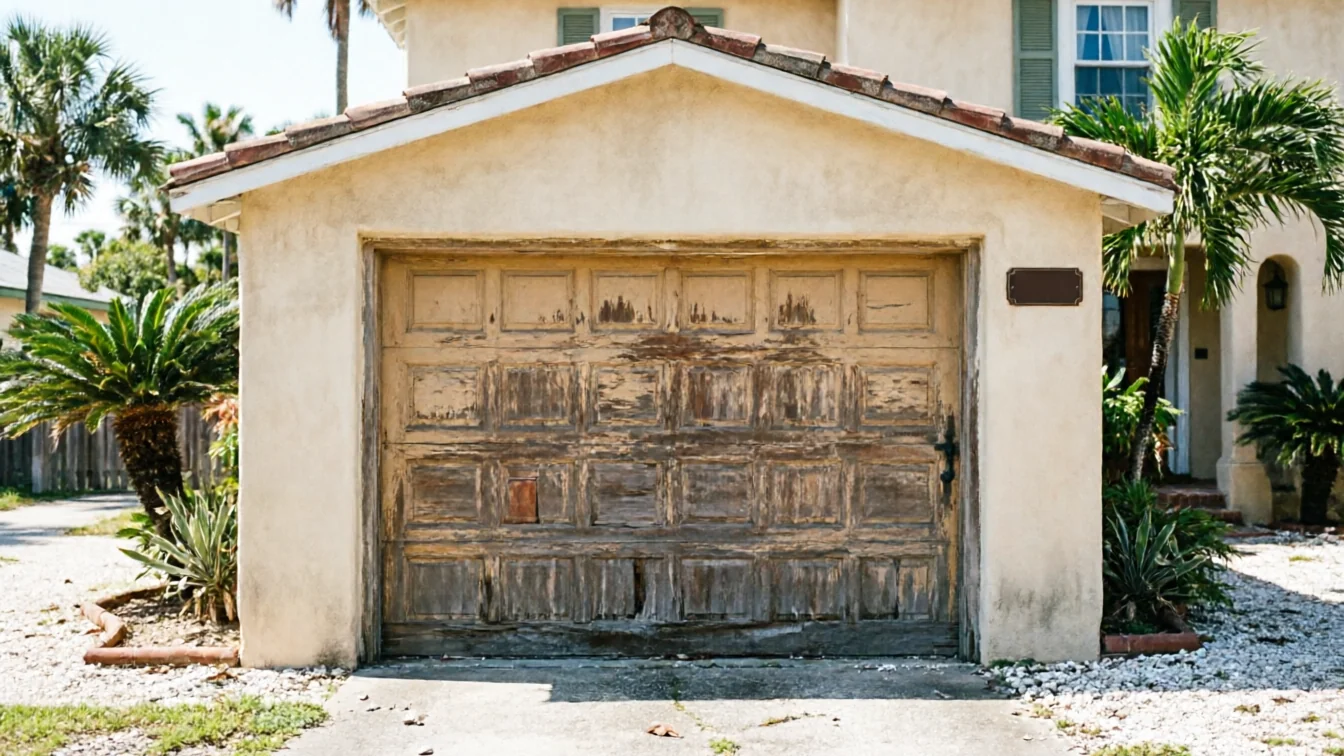
Most Lake City homes date to 1972-1994.
Read moreReady when you are
Lake City Garage Door Pros repairs and installs garage doors, springs and openers in Lake City, FL and the surrounding area.