
Lake City, FL
Garage Door Maintenance Built for Lake City's 1980s Housing Stock
Tune-ups for Lake City's 1972-1994 housing stock, built around the mild, occasional-freeze climate that covers Five Points, Watertown, and the rest of the service area.
How We Fix It
A maintenance visit isn't glamorous and it shouldn't be. We check spring tension and balance the door by hand, because a door that's out of balance puts extra load on the opener motor every single cycle.
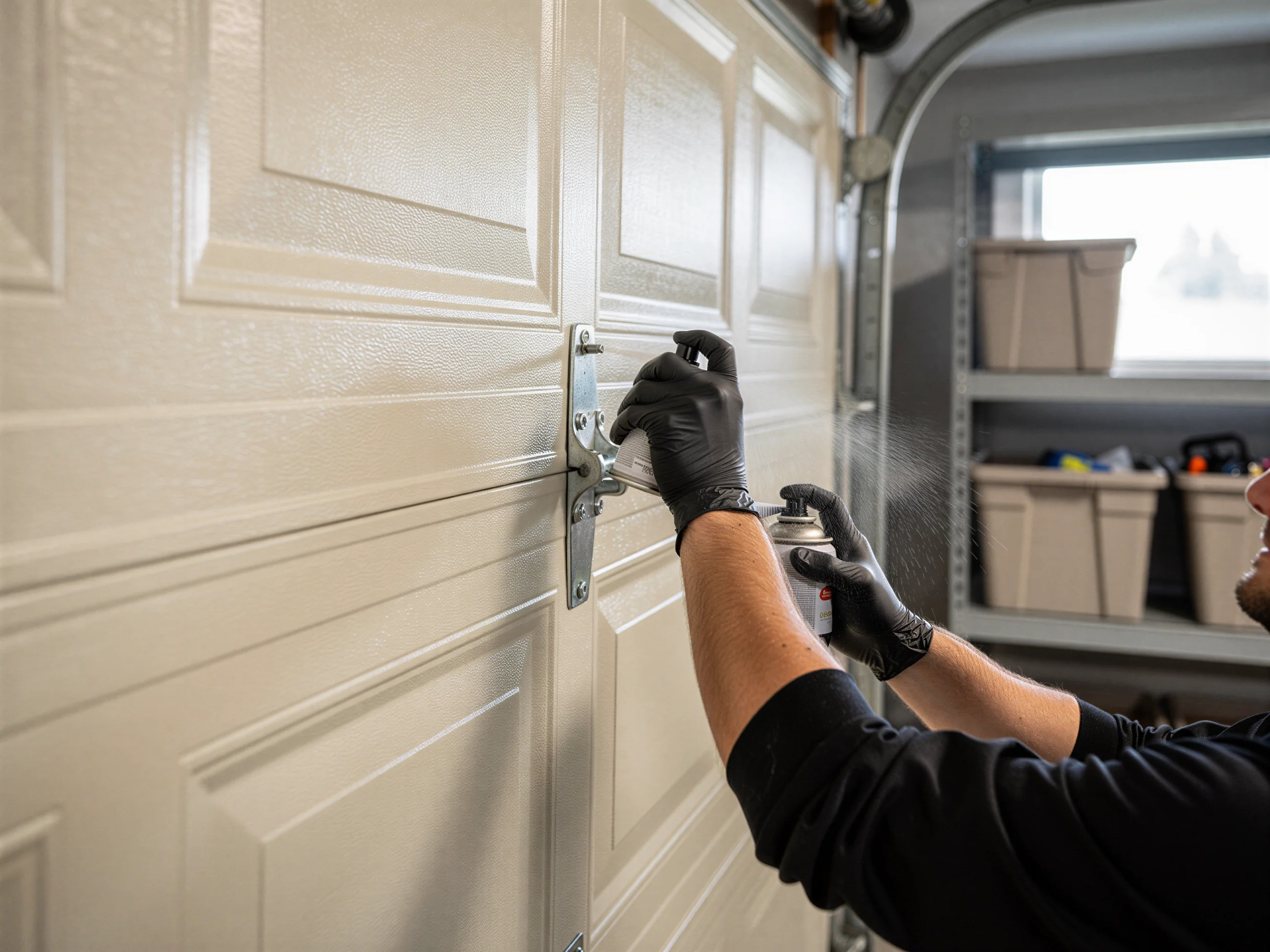
Lubricating moving metal parts
We inspect the tracks for bends and the rollers for flat spots or cracked nylon, lubricate the moving metal parts - springs, hinges, bearings - and leave the nylon rollers and plastic idler pulleys alone, since grease on those just collects grit. We tighten the hardware that backs out from vibration over years of cycling, check the cables for fraying at the drum, and test the auto-reverse safety sensors.
Stiff weatherstripping flagged
If weatherstripping at the bottom panel has gone stiff or cracked, we'll flag it, because that's the first seal to fail and the cheapest one to replace. We don't repaint or resurface panels during a maintenance call - that's a separate job, and bundling it in just slows down the visit without adding real value to the door's function.
Tune-up limits for fatigue
The honest limit here: a tune-up extends the life of parts that are still sound. It won't rescue a spring that's already fatigued past its wind count or a track that's bent beyond hand-straightening - those get called out as repairs, not folded into the maintenance ticket.
What Causes It Around Here
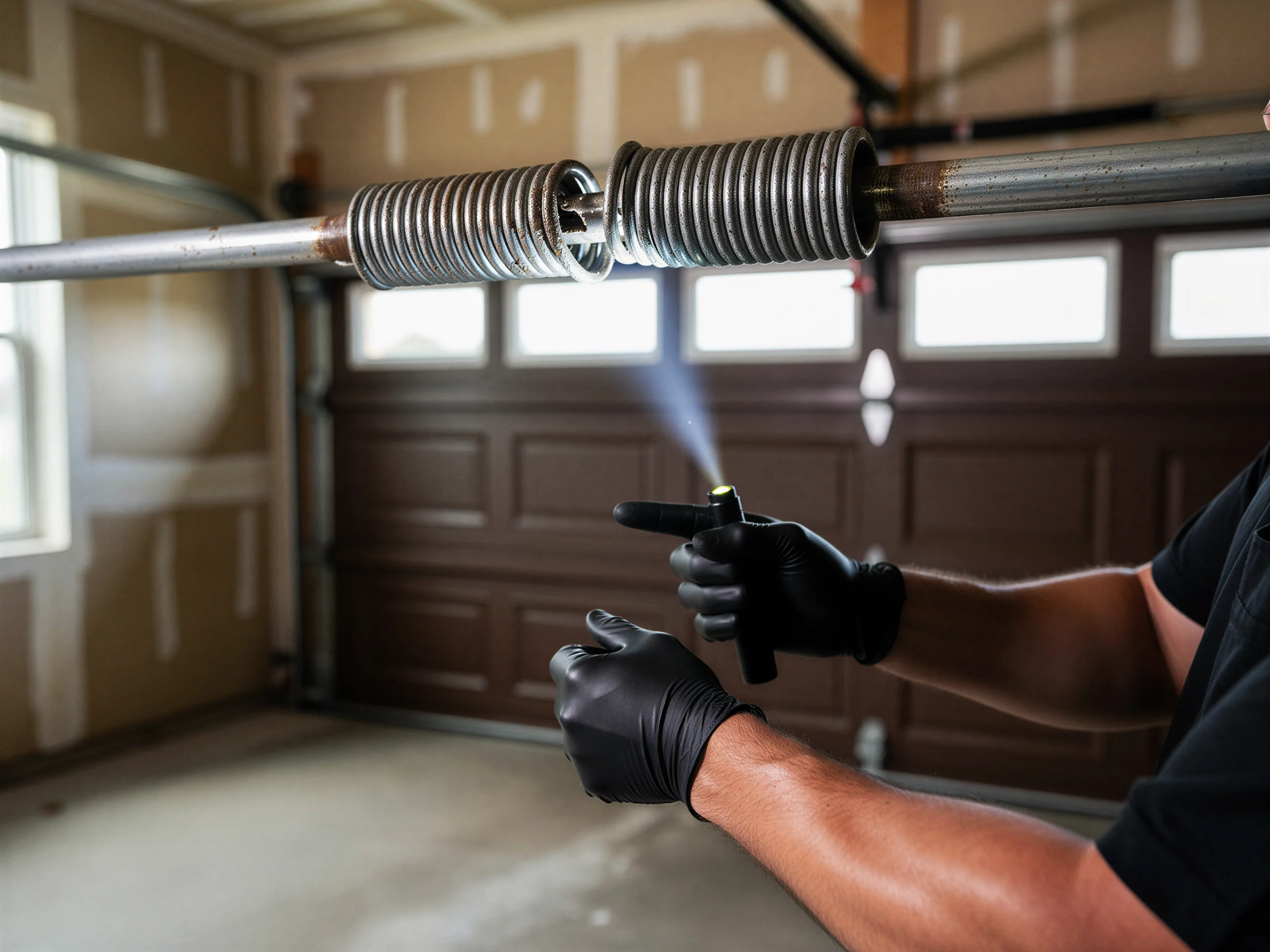
The climate band this area sits in is mild with occasional freeze, which sounds easy on hardware compared to a true winter, but it isn't. Steady humidity with periodic temperature swings is exactly what pulls moisture into the lubricant on old torsion springs and bearings, then lets it evaporate and leave grit behind. That cycle repeats more often in a mild-freeze climate than in a place with one hard winter and a dry summer, because there's no long stretch where everything just stays cold and still.
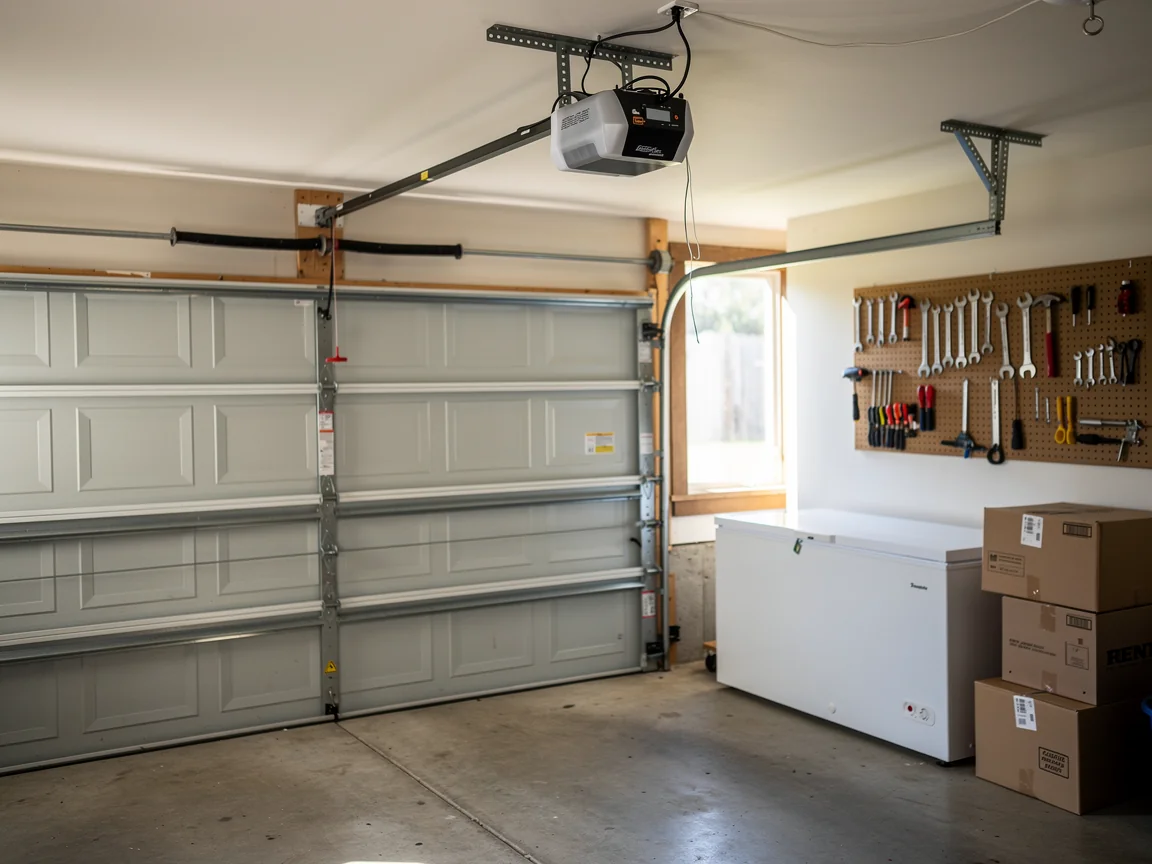
Layer that onto housing built mostly between 1972 and 1994 - the median year is 1982 - and you've got hardware that's now three to five decades old, made before corrosion-resistant coatings were standard on consumer-grade springs and hinges. Garages in this service area, including the stock around Five Points and Watertown, tend to have the original steel rollers rather than nylon, and steel rollers in a humid, swing-temperature climate are the parts most likely to develop flat spots or rust pits first. None of this is dramatic. It's slow wear, compounding quietly, which is exactly the kind of failure a maintenance visit is built to catch before it becomes a Saturday morning emergency.
How It Shows Up
On a door this old, the first sign is usually sound, not a full breakdown. A grinding or popping noise on the way up often means a roller bearing has dried out or a hinge has worked loose - both common on the original hardware still installed on houses built in that 1972-1994 window.
Shuddering through travel
A door that shudders partway through its travel, rather than moving in one smooth motion, usually points to an unbalanced spring or a track that's picked up a slight bend from years of thermal expansion and contraction in a mild-freeze climate.
Opener straining early
Some owners notice the opener straining - taking longer to lift, or stopping short - before they notice anything wrong with the door itself. That's the motor compensating for a spring that's lost tension, and it's one of the clearest arguments for catching this in a scheduled visit rather than waiting for the cable to snap or the spring to let go entirely.
Maintenance versus repair line
If a door is already failing to open more than it succeeds, that's past the maintenance stage - at that point we're talking repair or replacement, not a tune-up, and we'll tell you straight which one makes sense rather than selling a service call that won't fix it.
Time on the Job
Most of the houses across this service area, including those near Five Points and Watertown, went up between 1972 and 1994, with a median build year of 1982.
Specifications from that era
That's a specific window - doors, openers, and the hardware behind them were spec'd differently then than they are now. White Springs sits twelve miles out and Fort White nineteen, placing both within the same mild, occasional-freeze climate band that covers the whole area, so a door in one of those towns is wearing down the same way as one two miles from downtown.
Unsealed original hardware
Across the service area's 2,236 households, 759 are owner-occupied houses old enough to have original torsion hardware from the 1980s and 90s. A lot of that hardware still works, but it wasn't built with maintenance-free coatings or sealed bearings, which means it needs attention on a schedule rather than attention only when something breaks.
Tune-up beats opener swap
With a median household income of $47,739 in this area, most owners get more years out of a tune-up than out of a full opener swap, and that's the math we work from - keep the original parts turning as long as they're safe to run, replace only what's actually failing.
Questions
Common questions
How often should I get my garage door serviced in Lake City?
There's no single number that fits every door, since it depends on age and how many cycles it sees per day. For houses built in the 1972-1994 range common across this service area, an annual check of spring tension, hardware, and lubrication catches most wear before it becomes a stuck or broken door.
Does Lake City's climate actually affect garage door maintenance?
Yes. The mild, occasional-freeze band this whole service area sits in means steady humidity and temperature swings rather than one hard winter. That pattern pulls moisture into lubricant and hardware repeatedly through the year, which is part of why steel rollers and springs here wear by rust and pitting rather than by cold-snap failure.
Can maintenance fix a door that already won't open?
Sometimes, but not always. If the issue is a dry hinge or loose hardware, a tune-up can resolve it. If a spring has already fatigued or a cable has frayed through, that's a repair, not maintenance, and we'll tell you which one you're actually looking at before any work starts.
Is maintenance worth it on an older door instead of replacing it?
Often, yes. Given the median household income in this area, keeping original hardware running safely through regular tune-ups usually costs less over time than a full opener or door replacement, as long as the springs and track are still within safe tolerance.
Explore more
Explore More Services In Lake City, FL
Broken Spring or Stuck Door in Lake City? Here's What We Do
Lake City Garage Door Pros fixes broken springs, stuck openers, and off-track doors on homes built mostly in the 1970s-90s near Five Points and Watertown, FL. Learn more →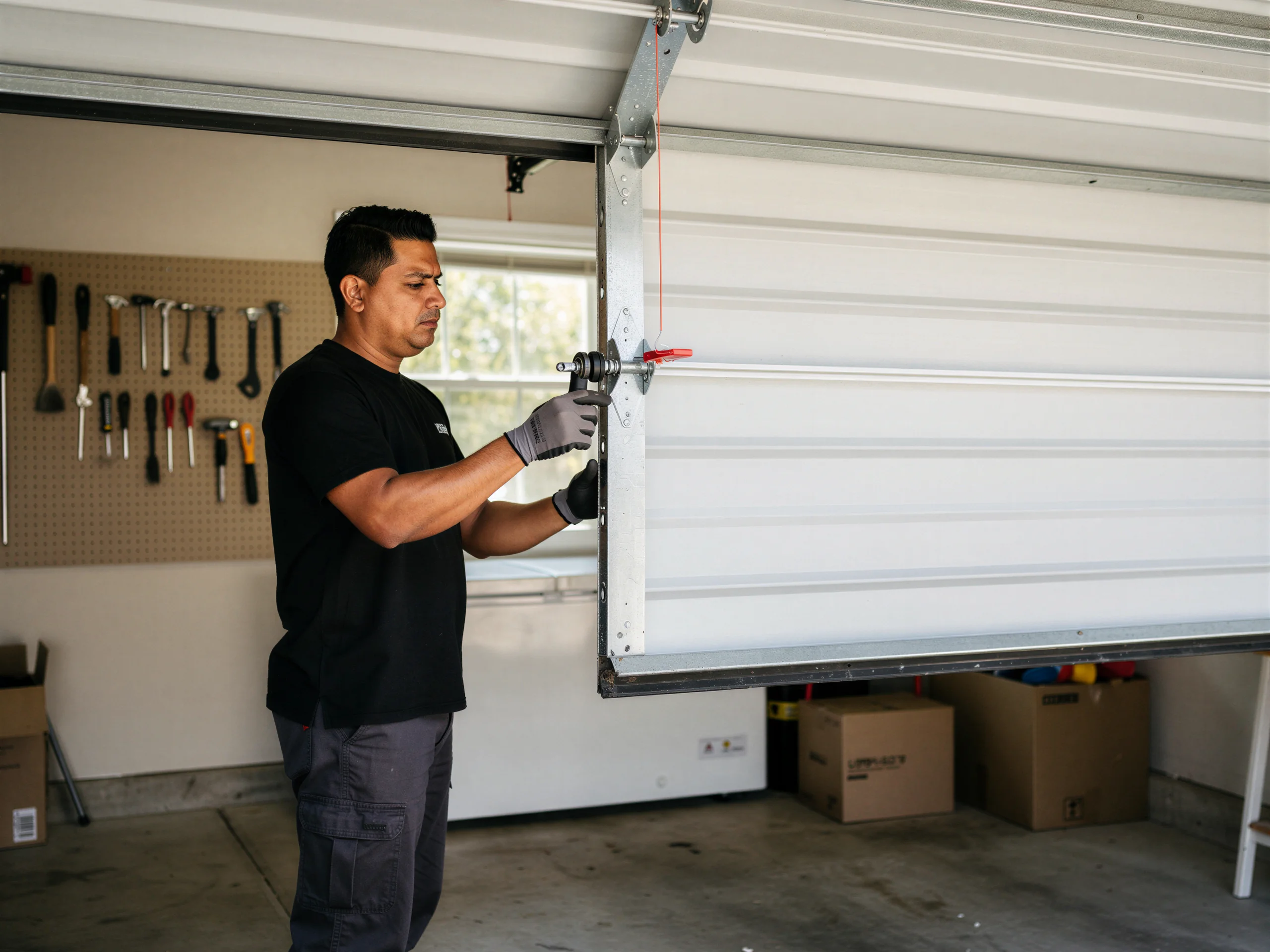
When a Garage Door Jumps Its Track in Lake City
Lake City homes built between 1972 and 1994 see off-track garage doors after freeze-thaw swings. Learn more →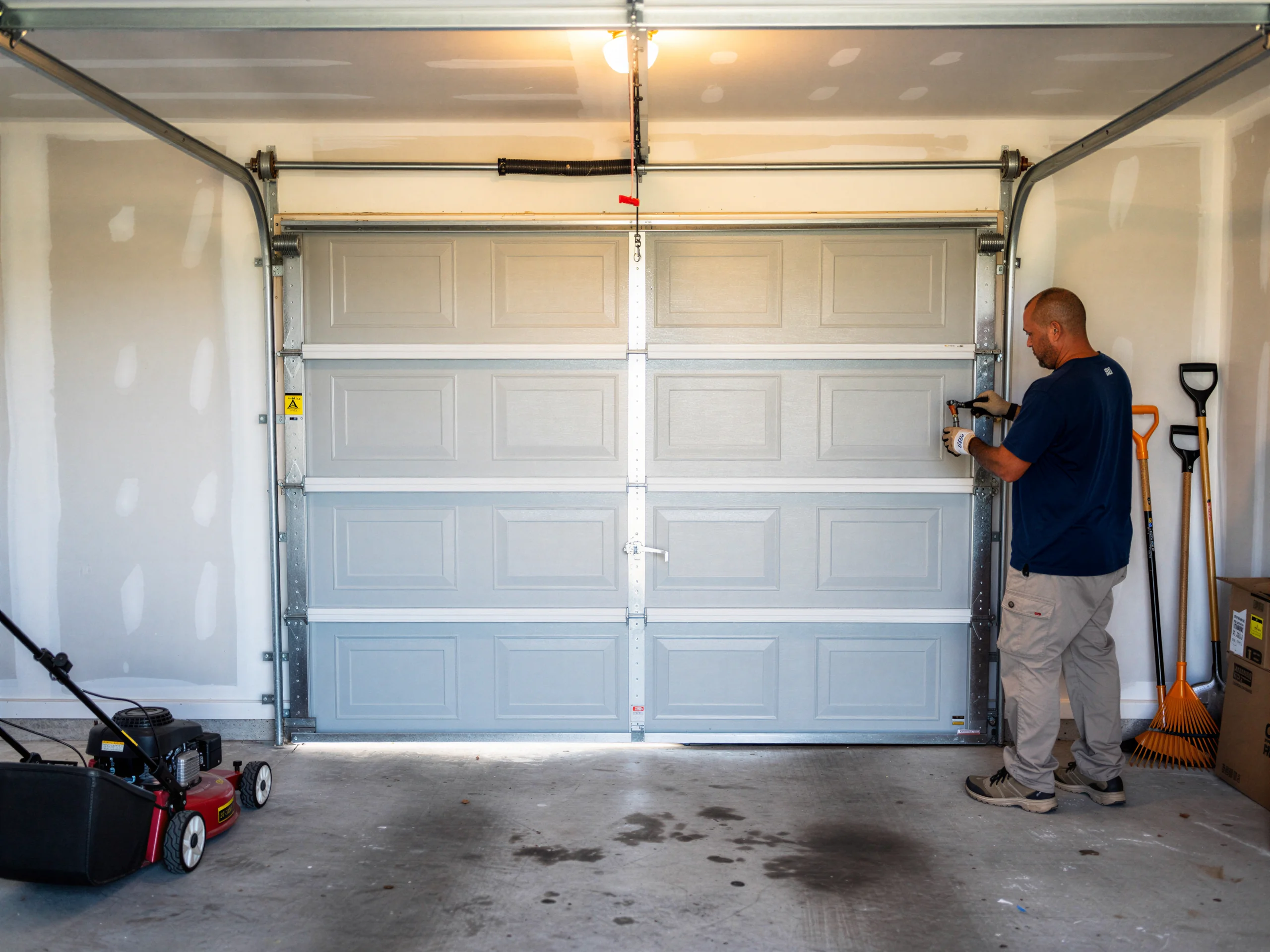
Garage Door Installation for Lake City's 1970s-90s Housing Stock
Installing garage doors for Lake City homes built mostly between 1972 and 1994 - sized for our mild, occasional-freeze climate and the original openings underneath. Learn more →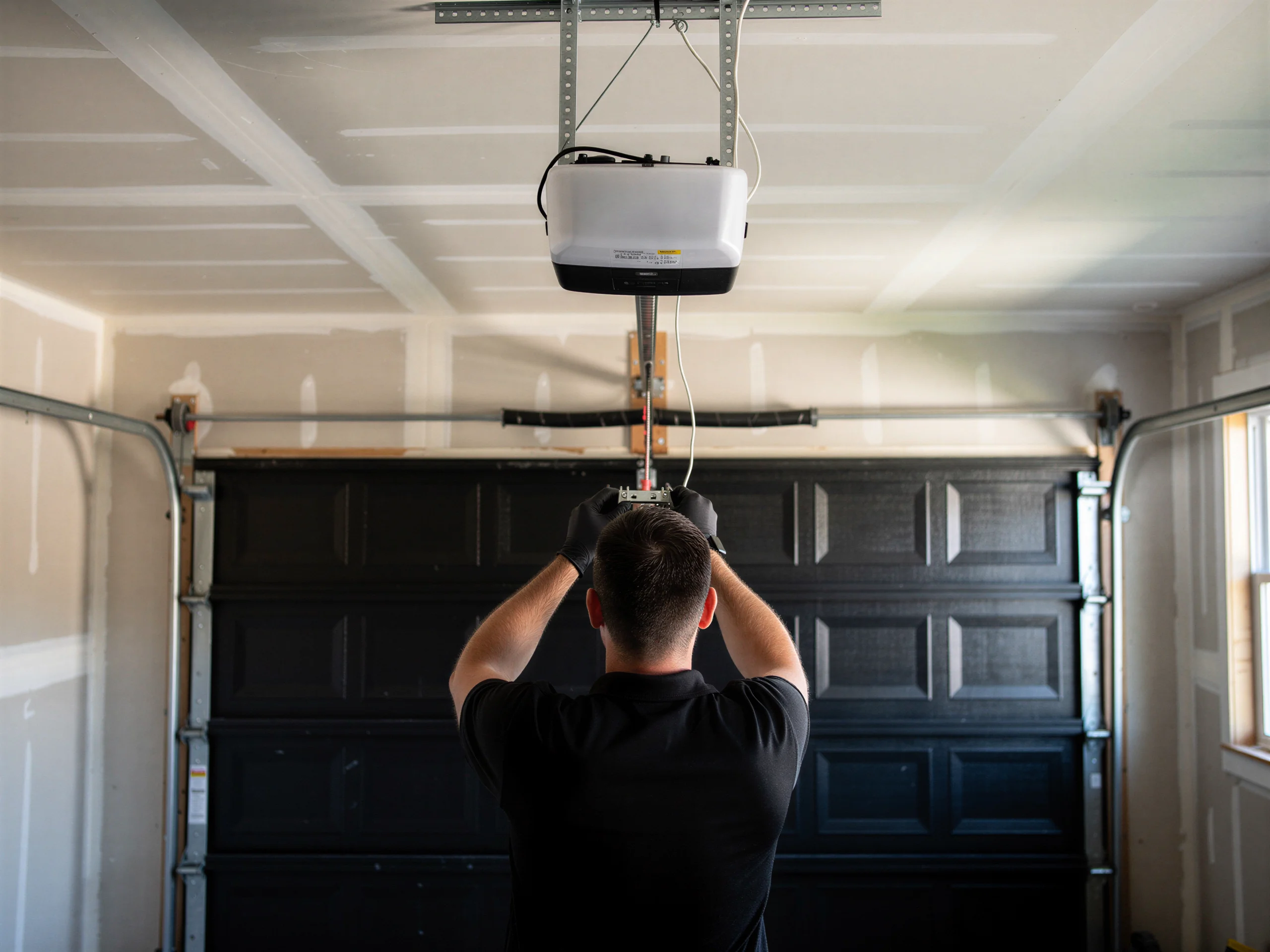
Garage Door Opener Installation, Lake City FL
Lake City homes built 1972-1994 are outgrowing their original chain-drive openers. Learn more →
Garage Door Spring Repair for Lake City Homes
Original torsion springs in Lake City's 1980s-era homes give out after decades of mild heat and occasional freeze. Learn more →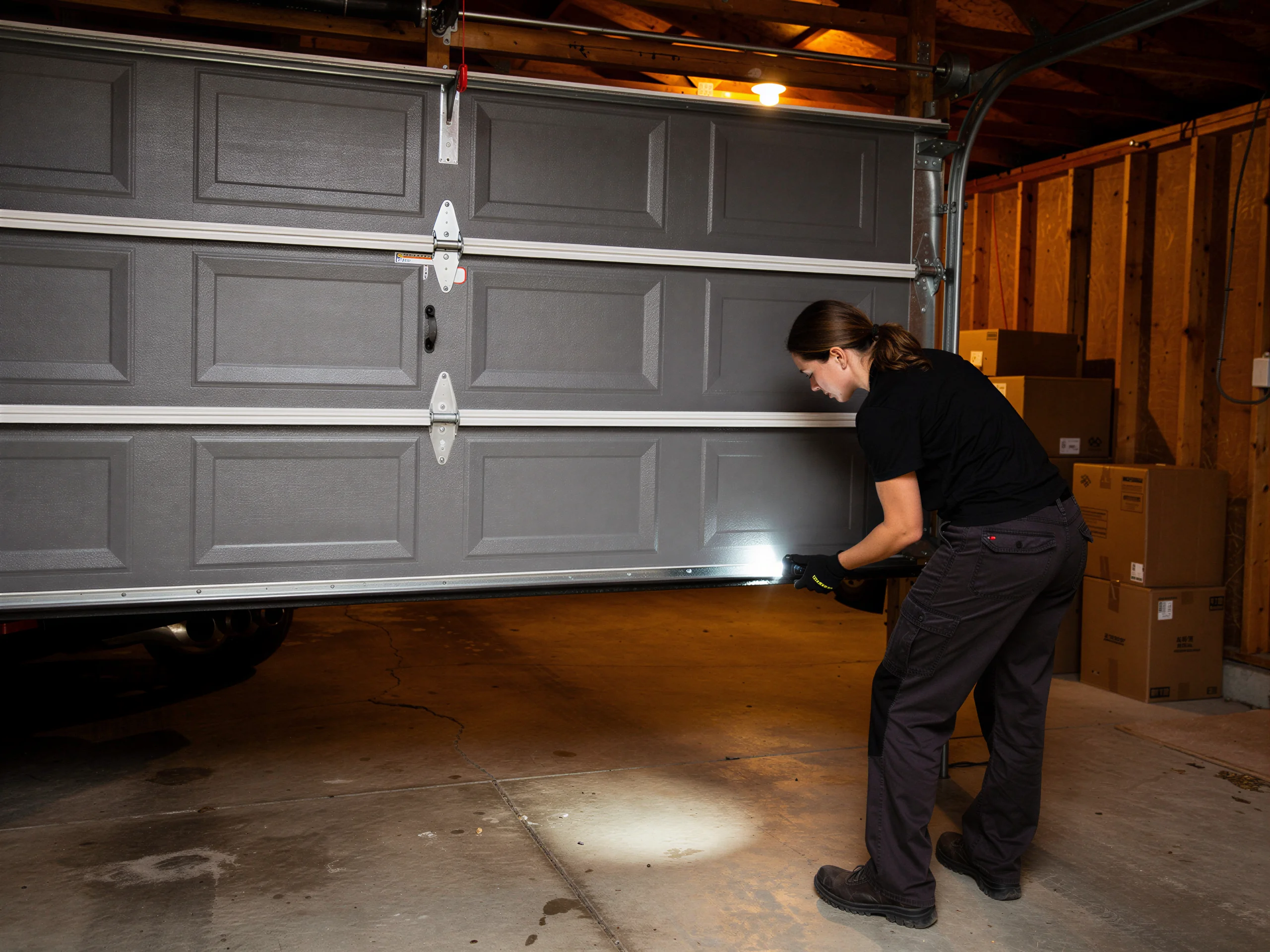
Garage Door Repair for Lake City's 1970s-90s Housing Stock
Lake City homes built mostly between 1972 and 1994 run original springs and openers that are decades past their rated cycles. Learn more →Ready when you are
Time for a garage door tune-up in Lake City?
Lake City Garage Door Pros repairs and installs garage doors, springs and openers in Lake City, FL and the surrounding area.