
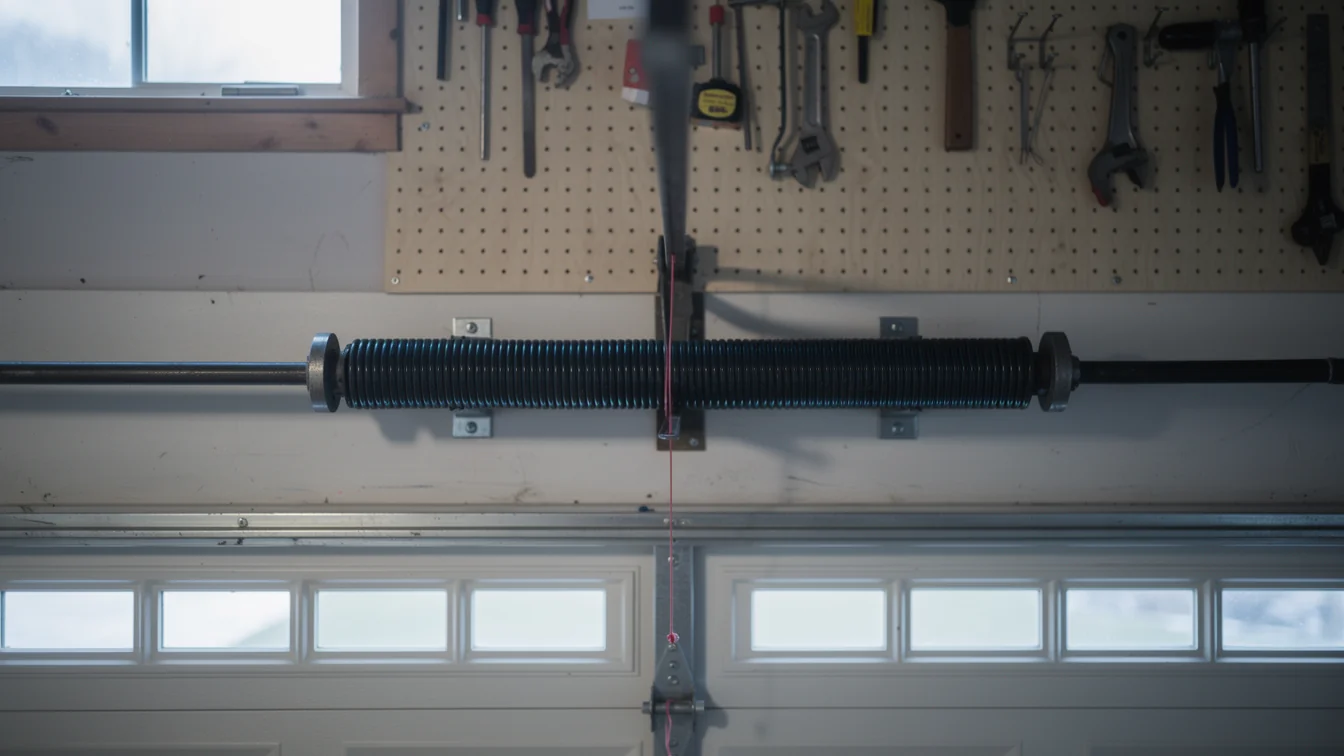
What Lake City's 1980s Housing Stock Means for Your Garage Door
Most Lake City homes date to 1972-1994, with original garage door hardware.
Read moreMost Lake City homes date to 1972-1994. Here's how to tell if your original door and hardware are worth repairing or ready for replacement.
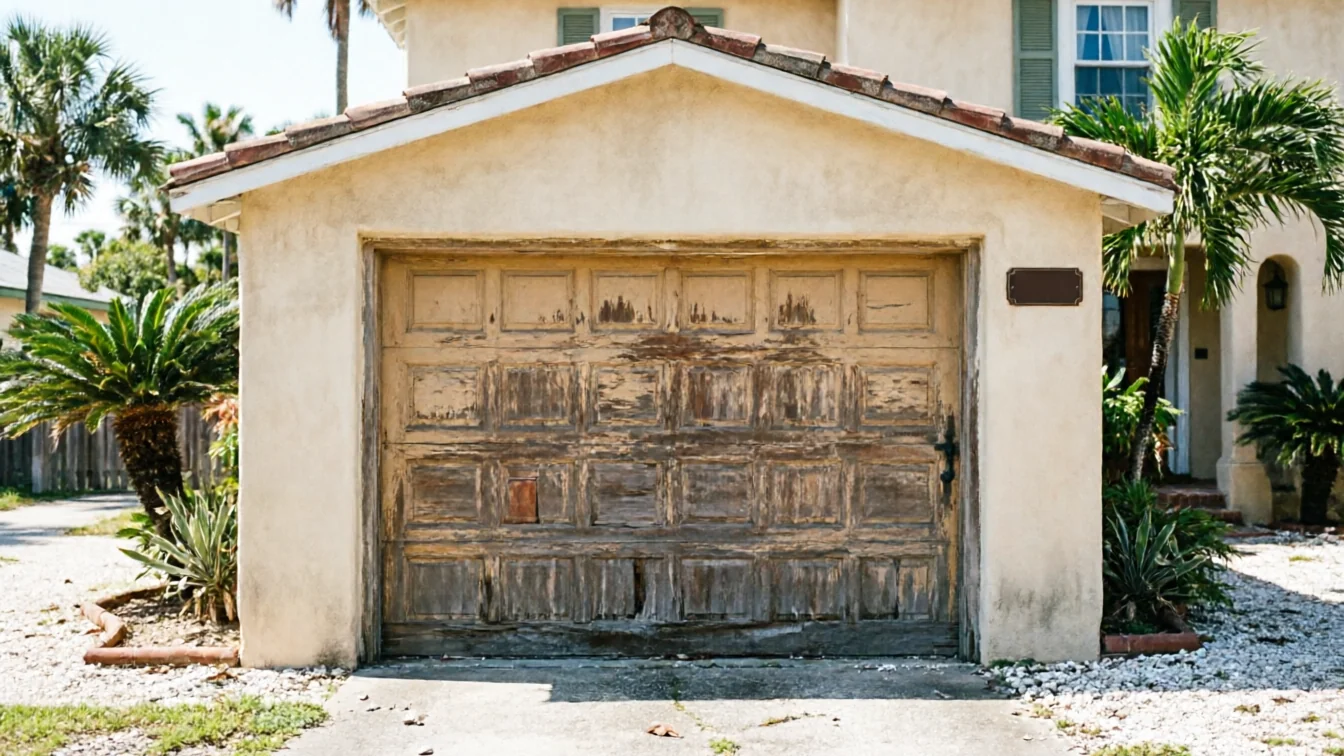
Local detail
Most of the houses we work on around Lake City went up between 1972 and 1994, with the median build year sitting around 1982. That means a lot of doors still running are the originals, or a one-time replacement from the 90s - steel panels with the thinner gauge that era used, torsion or extension springs sized for door weights that have since changed, and openers that were state of the art when disco was still a thing. The question we get asked most isn't "can you fix this," it's "should you." A 40-year-old door with a cracked bottom panel and a dead spring is two different repairs with two different answers. The spring is almost always worth replacing on its own. The panel is a different conversation once you factor in whether the track and rollers are original too, because fixing one piece on a door this age often just moves the failure point to the next piece. We see this pattern across the older sections near Five Points and Watertown especially, where the housing stock skews toward that same early-80s build window.
The area
Lake City sits in a mild climate with occasional freeze risk, not the extreme heat-cycling or hard freeze-thaw that chews through hardware fast. That's good news for the doors themselves - steel and wood doors from the 1980s here haven't taken the beating they would in a harsher climate band, so a lot of original panels are still structurally sound even when the moving parts have worn out. What does wear out on this timeline is the stuff that moves: springs, rollers, cables, and the opener's gearing. A 30 to 50 year old door in this climate is usually a hardware problem, not a panel problem, which changes the math on repair versus replace. We're not chasing rust-through or warped tracks from freeze cycles the way a northern shop would be. We're chasing fatigue - metal and plastic parts that have simply done their cycle count.
What we find
The biggest mistake we see is treating every noise or slow response as an opener problem when the door is from the 1972-1994 build era and the opener has likely already been swapped once or twice. Homeowners spend money on a new opener when the real issue is a worn roller track or a spring that's lost tension gradually rather than snapping outright. The other mistake runs the other way: assuming a 40-year-old door is automatically a write-off. With median household income in our service area at $47,739, we understand why people want to avoid a full replacement if the door itself still closes square and the panels aren't cracked or delaminated. A full hardware service - springs, cables, rollers, and track alignment - often costs a fraction of a new door and buys years more life out of a panel set that was built solid to begin with. We won't sell you a new door when a hardware job will do the same thing for less.
How we work
Because Lake City doesn't see hard winters, there's no real frost-heave or ice-jam season to plan around the way colder regions do. What we do see is a steadier, more even wear pattern year-round, which means the smart move is checking hardware on a schedule rather than waiting for a cold snap or heat wave to force the issue. Spring and fall are good windows to get springs and rollers inspected before the rare freeze nights of winter tighten things up or summer humidity swells original wood trim pieces that are still around on some of the older doors near Watertown and Five Points. We don't push annual contracts - a lot of these older setups go two or three years between needing anything beyond a visual check. But when a door from the 1980s starts cycling slower or hanging unevenly, that's worth a look before it becomes a cable snap.
Questions
Not usually, especially here. Lake City's mild climate hasn't stressed older steel panels the way harsher regions would. If the panels aren't cracked or badly rusted, a hardware overhaul - springs, cables, rollers, track - often restores a door built in that 1972-1994 window for years more use, at a fraction of replacement cost.
On an original door from the 70s, 80s, or early 90s, a new opener sometimes masks a worn track or roller problem instead of fixing it. The opener works harder than it should, and it fails again. We check the whole door, not just the motor, before recommending an opener swap.
Often, yes, if the panels are sound. Our area's mild climate means original 1980s-90s steel doors have usually held up structurally even when springs and rollers are shot. A full hardware repair costs far less than replacement and can buy years more life out of a door that's otherwise solid.
Recommendation
More garage door guides for Lake City homeowners.
Most Lake City homes date to 1972-1994, with original garage door hardware.
Read more
Most Lake City garage doors date to the 1970s-90s build boom, before insulation codes existed.
Read more
Most Lake City homes went up between 1972 and 1994, which means openers built for a grid that didn't cut out as often.
Read moreReady when you are
Lake City Garage Door Pros repairs and installs garage doors, springs and openers in Lake City, FL and the surrounding area.