
Lake City, FL
Garage Door Repair for Lake City's 1970s-90s Housing Stock
Lake City homes built mostly between 1972 and 1994 run original springs and openers that are decades past their rated cycles. We fix what's actually failing.
How We Fix It
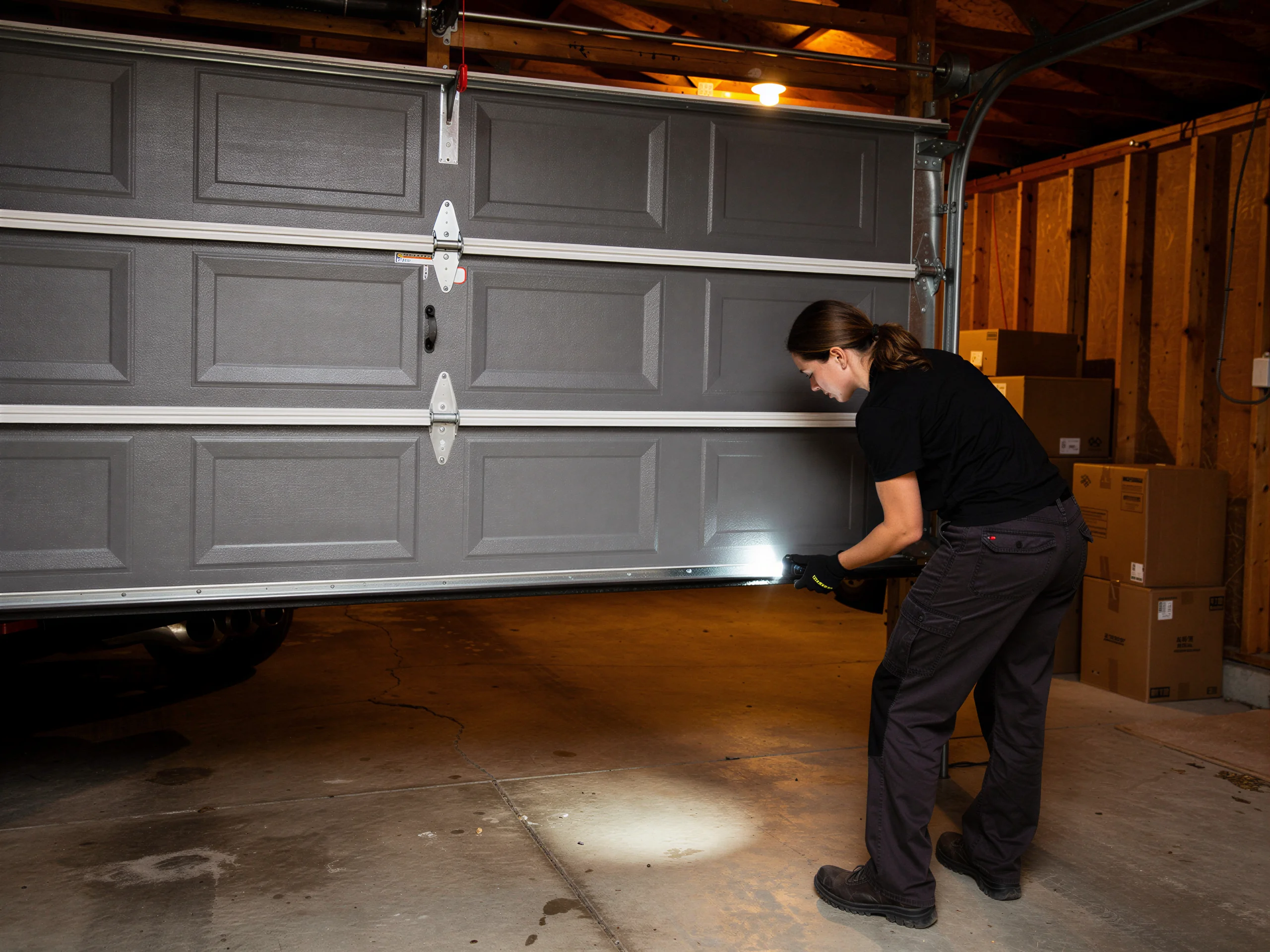
A broken torsion spring gets replaced, not patched - there's no safe way to repair a spring that's already let go, and we size the new one to the door weight, not just swap in whatever was there.
Checking related parts together
Cables, rollers, and hinges get checked at the same time, because if one part failed from age the others on that same door are usually close behind. For openers, if the unit is original to a house from this era, we'll tell you plainly when a new opener costs less over time than chasing failing gears and a dying circuit board on something that old.
Repair before replacing
With a median household income of $47,739 in this area, we try to fix what can honestly be fixed rather than push a full replacement - but we won't tell you a stripped gear or a cracked spring is fine when it isn't.
Proprietary opener part waits
One limitation worth saying up front: if a part is proprietary to a builder-grade opener model from the early '80s, we may not have it on the truck, and it can mean a short wait on a special order rather than a same-visit fix.
What Causes It Around Here
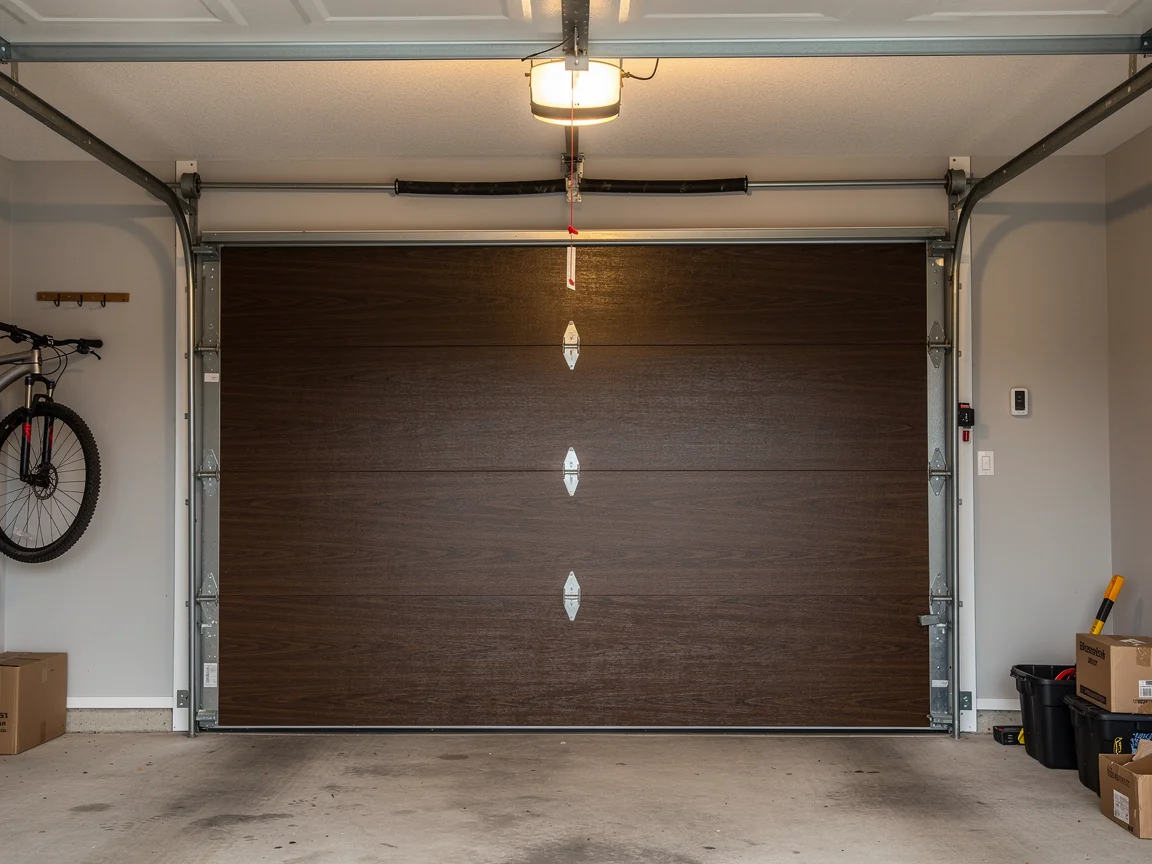
Lake City sits in a mild climate with occasional freeze, and that swing is harder on steel than a flat hot climate or a flat cold one. A torsion spring that cools below freezing a handful of nights a year and then sits in regular heat the rest of the time goes through more metal fatigue cycles than the number on the box accounts for. Add in that most of the housing here was built in a tight window from 1972 to 1994 - which means thousands of doors installed with the same era of galvanizing and the same era of lubricant standards - and you get a service area where a lot of springs and rollers are aging out in the same few years rather than spread evenly. Original nylon rollers from this build era crack with age and temperature swing long before the steel parts do, and a cracked roller binding in the track is one of the more common reasons a door starts working harder than it should.
How It Shows Up
The door gets loud before it quits. A grinding or popping sound when the door opens is usually a roller or hinge on its way out, not the opener. If the door won't budge and the opener motor is straining or humming without moving the door, that's almost always a broken spring - don't keep hitting the button, since that load transfers straight to the opener's drive gear. A door that opens but drifts shut, or one that's noticeably heavier on one side, points to a spring that's lost tension but hasn't fully snapped yet. Across the roughly 759 owner-occupied houses and 2,236 households in this service area, the complaint we hear most often is some version of 'it used to be quiet and now it isn't' - and that's the door telling you a part from the original install is done, not a mystery.
Time on the Job
Most of the calls we run in Lake City come from houses built between 1972 and 1994, with the bulk of the stock dating to right around 1982.
Springs rated by cycles
That matters because a torsion spring is rated for a set number of cycles, not years, and a door installed when a house was framed in the late '70s or early '80s has had four decades to burn through that rating. Same goes for the opener - if it's the original unit, the drive gear and the circuit board inside it are older than most of the trucks on the road.
Shared aging hardware pattern
We work the four named areas in this service territory - Five Points, Watertown, White Springs, and Fort White - and the pattern holds across all of them: original hardware, original springs, original openers, all reaching the end of what they were built to do around the same time.
Subdivision aging together
That's not a coincidence of bad luck, it's a subdivision built in a ten-year window finally showing its age at once. We show up, look at the door in front of us, and tell you straight whether it's a repair or whether the parts involved aren't worth chasing anymore.
Questions
Common questions
Why do so many garage doors in Lake City seem to fail around the same age?
Most of the housing stock here went up between 1972 and 1994, with a lot of it clustered around 1982. That means a large share of springs, openers, and rollers are the same age and reaching the end of their rated life in the same stretch of years, not spread out like you'd see in a neighborhood built gradually over decades.
Does Lake City's climate affect garage door springs?
Yes. The mild climate here still includes occasional freezes, and that swing between cold nights and warm days puts more fatigue cycles on steel springs than a climate that stays consistently hot or cold. It's a real factor in why springs from this housing era are failing now rather than lasting a few more years.
Is it worth repairing an original opener from a 1980s house?
Often yes, if it's a worn gear or a simple part failure. But if the circuit board is dying or the unit is a discontinued builder-grade model, parts can be hard to source, and we'll tell you honestly when a new opener is the better use of your money instead of chasing an old one.
Do you work in Watertown and Five Points?
Yes, both are within a couple miles and part of our regular service area, along with White Springs and Fort White further out.
Explore more
Explore More Services In Lake City, FL
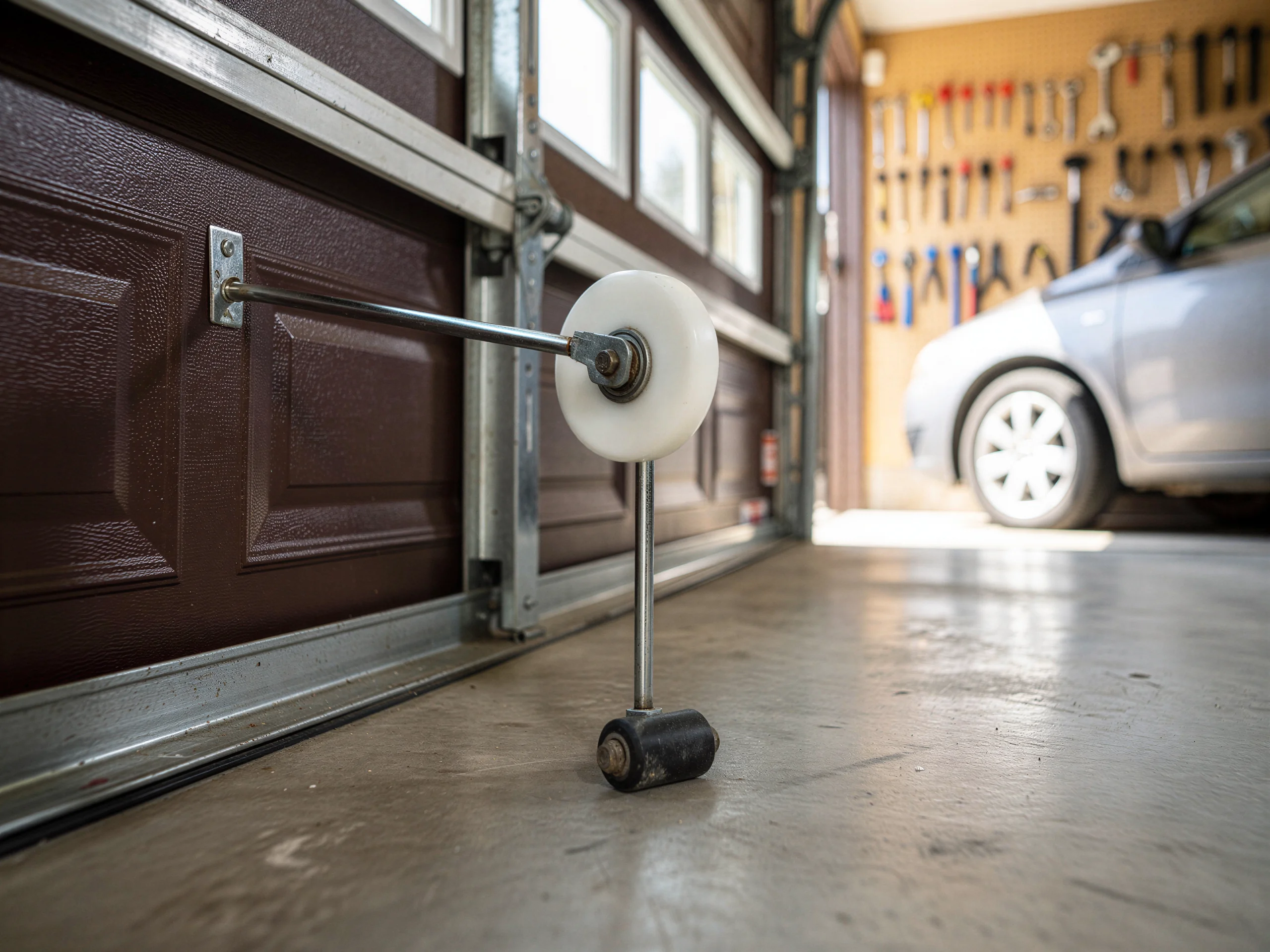
Garage Door Roller Replacement Around Lake City
Worn or cracked rollers on a 1980s Lake City garage door? Learn more →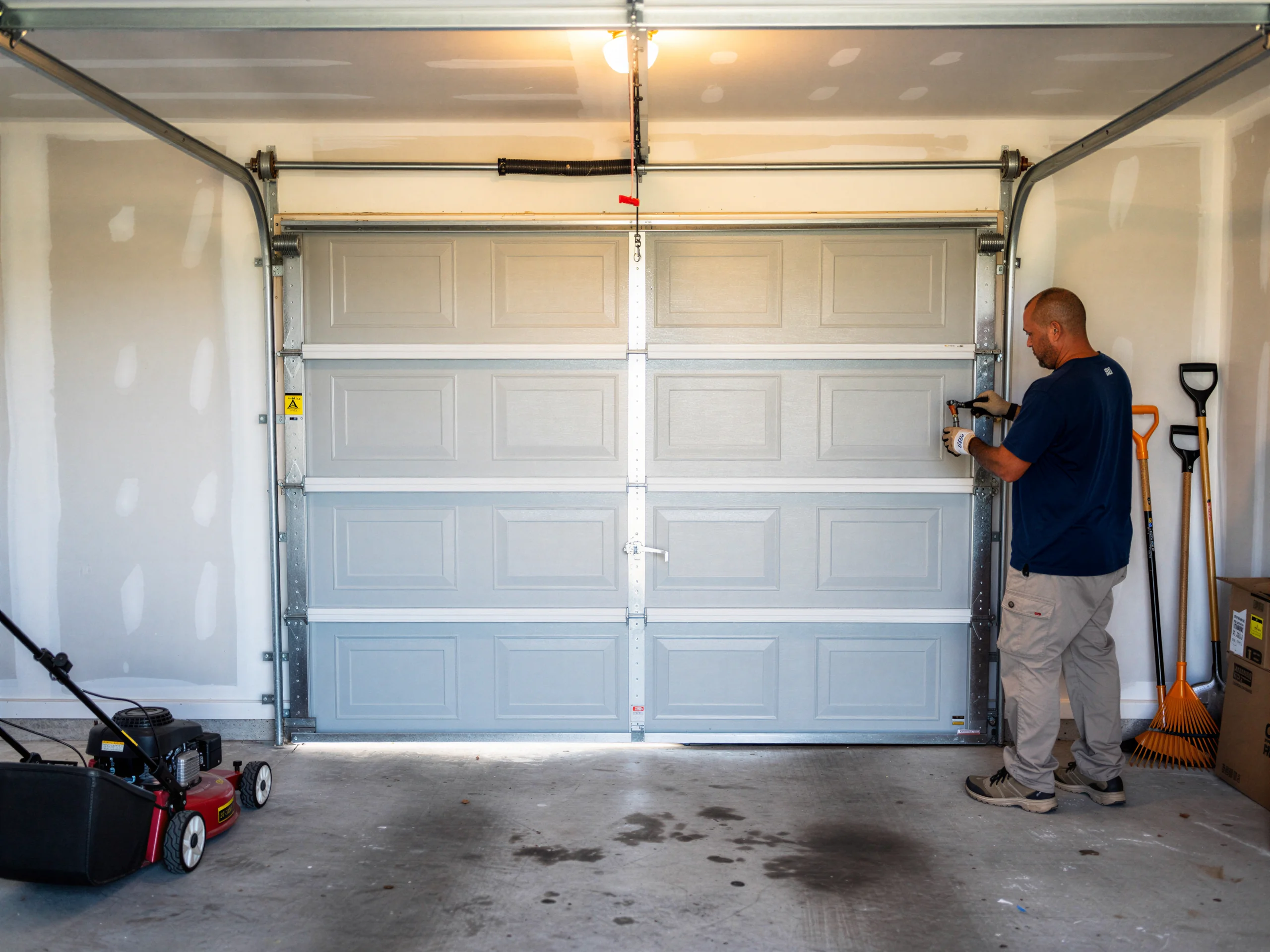
Garage Door Installation for Lake City's 1970s-90s Housing Stock
Installing garage doors for Lake City homes built mostly between 1972 and 1994 - sized for our mild, occasional-freeze climate and the original openings underneath. Learn more →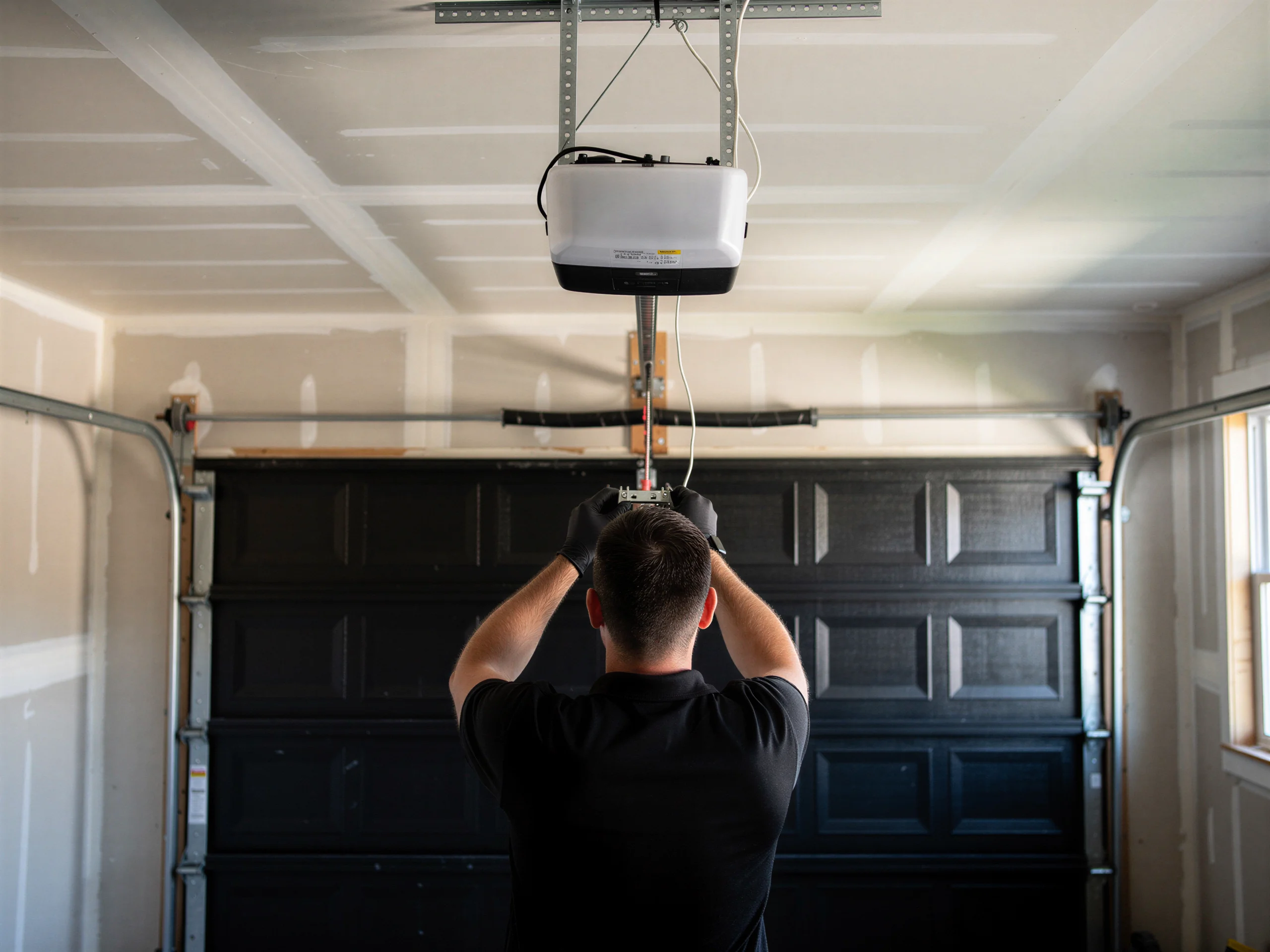
Garage Door Opener Installation, Lake City FL
Lake City homes built 1972-1994 are outgrowing their original chain-drive openers. Learn more →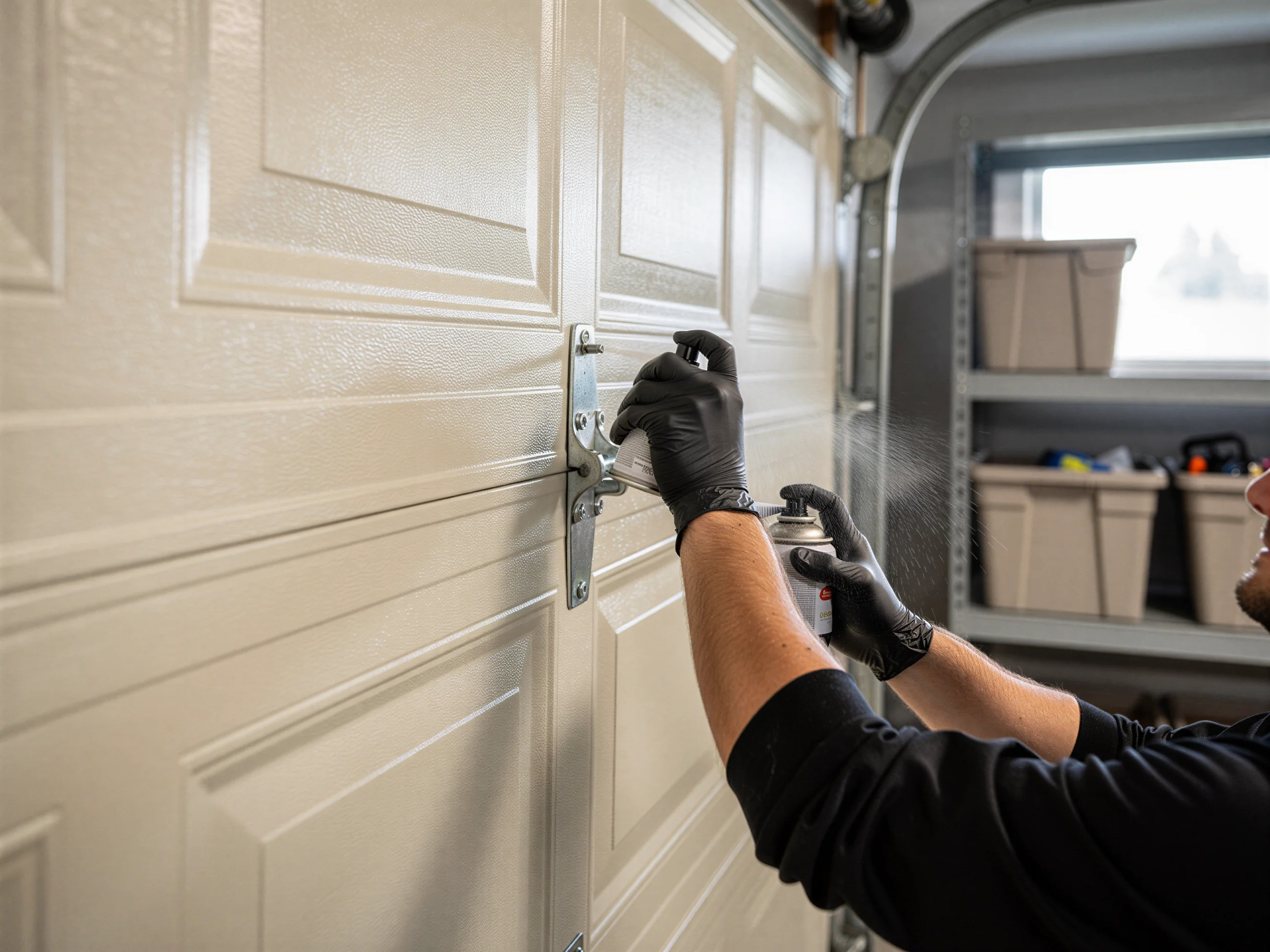
Garage Door Maintenance Built for Lake City's 1980s Housing Stock
Tune-ups for Lake City's 1972-1994 housing stock, built around the mild, occasional-freeze climate that covers Five Points, Watertown, and the rest of the service area. Learn more →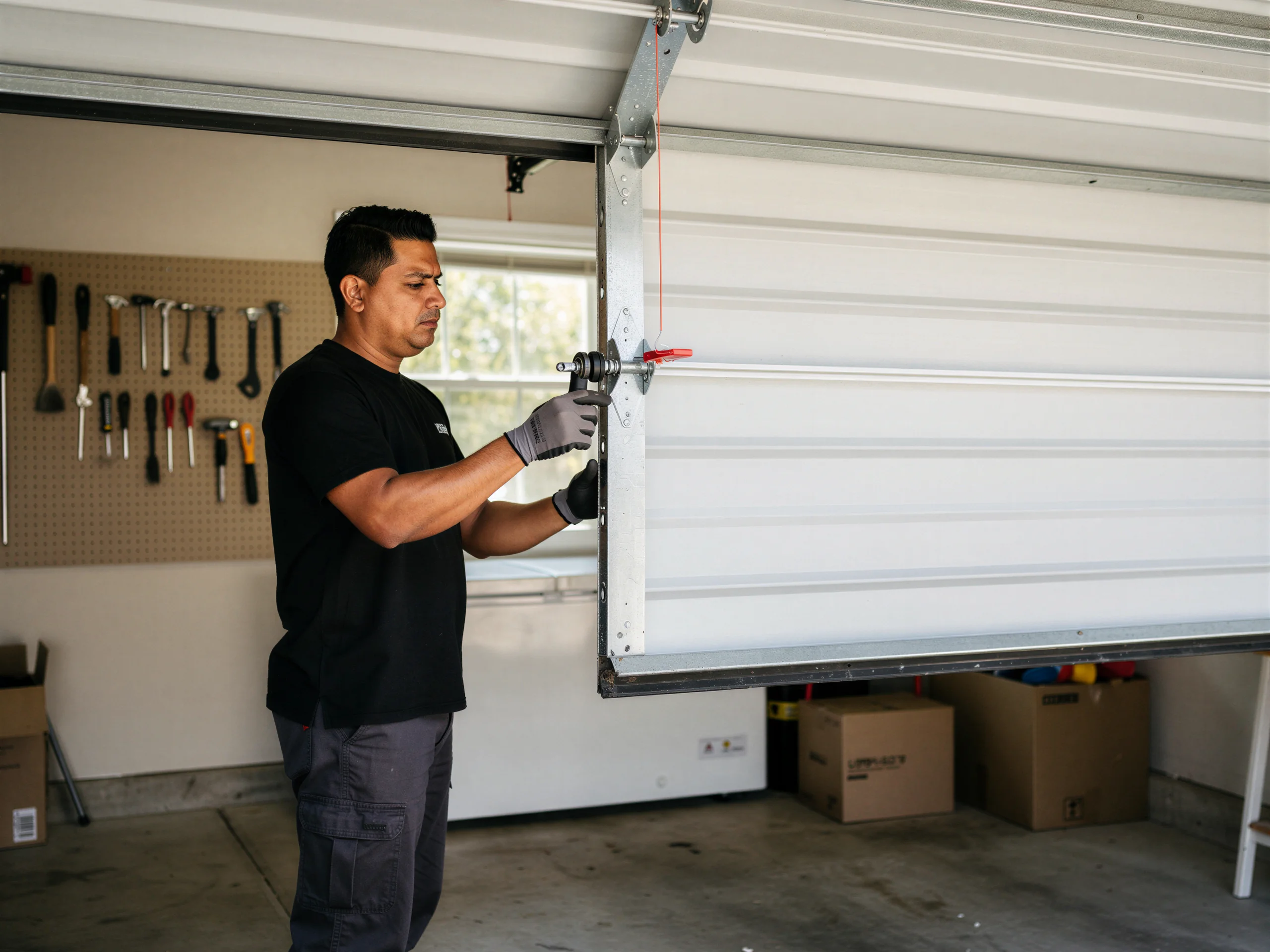
When a Garage Door Jumps Its Track in Lake City
Lake City homes built between 1972 and 1994 see off-track garage doors after freeze-thaw swings. Learn more →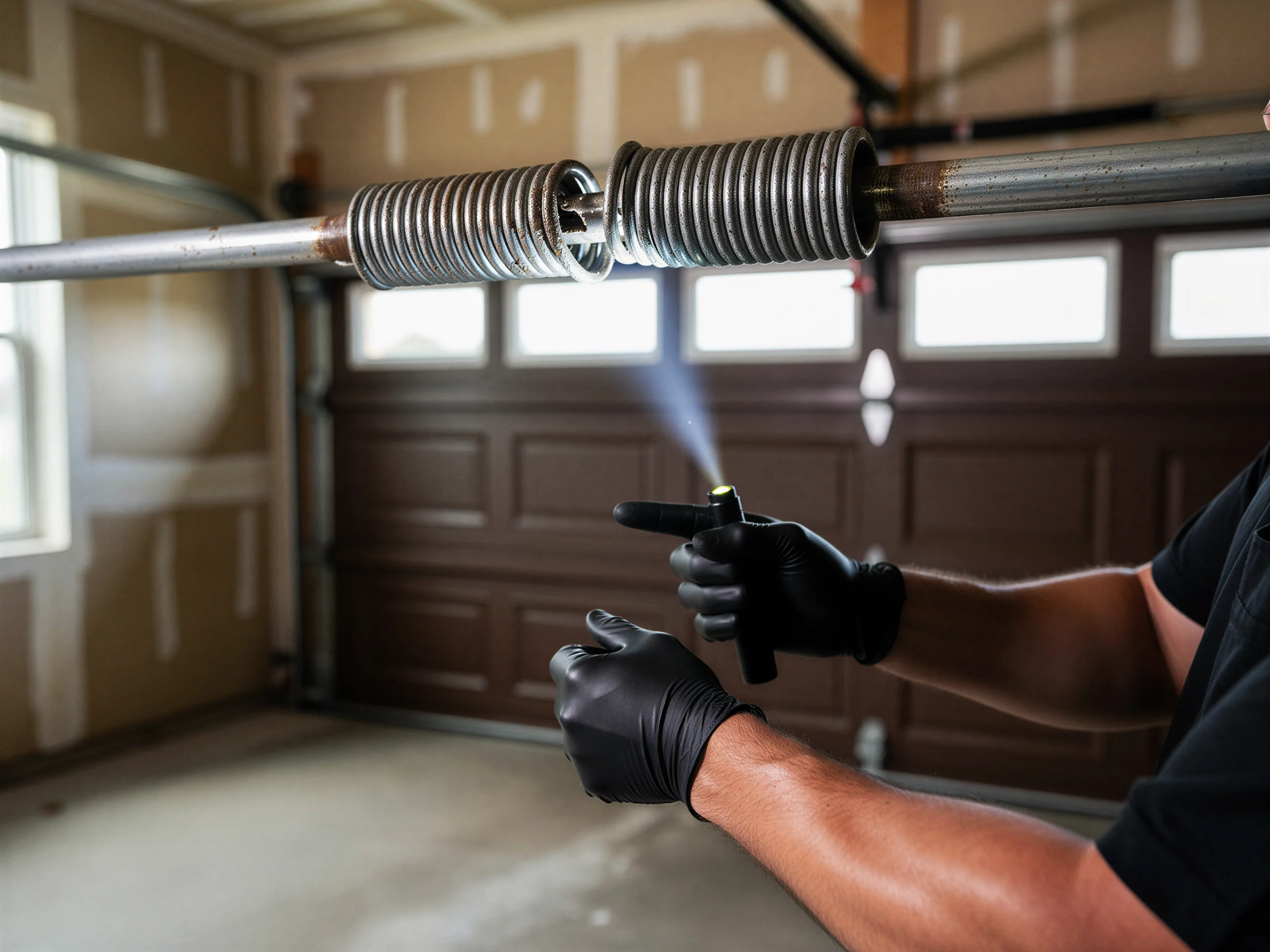
Broken Spring or Stuck Door in Lake City? Here's What We Do
Lake City Garage Door Pros fixes broken springs, stuck openers, and off-track doors on homes built mostly in the 1970s-90s near Five Points and Watertown, FL. Learn more →Ready when you are
Garage door trouble in Lake City?
Lake City Garage Door Pros repairs and installs garage doors, springs and openers in Lake City, FL and the surrounding area.