
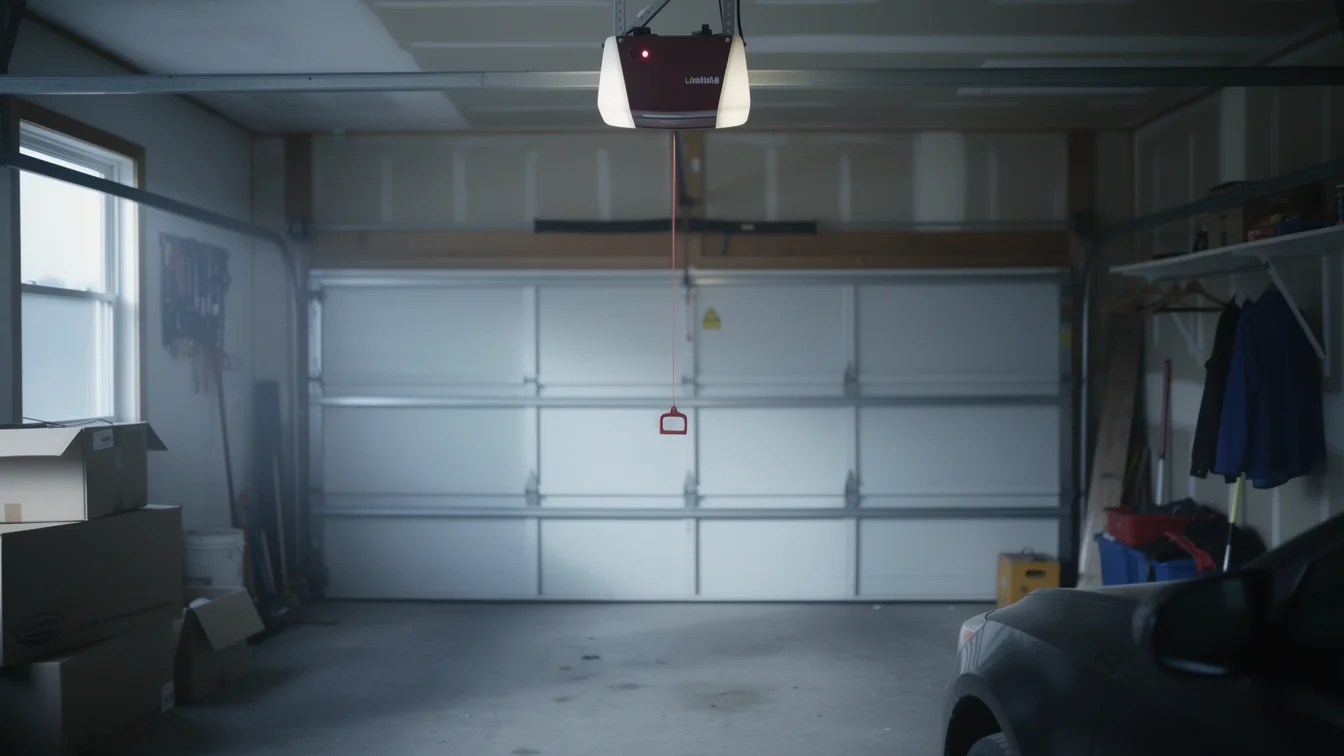
Openers and Power Cuts in Lake City Homes
Most Lake City homes went up between 1972 and 1994, which means openers built for a grid that didn't cut out as often.
Read moreA service call in Lake City, FL checks the spring, opener, and track on homes built mostly between 1972 and 1994, matched to this area's mild, humid climate.
Local detail
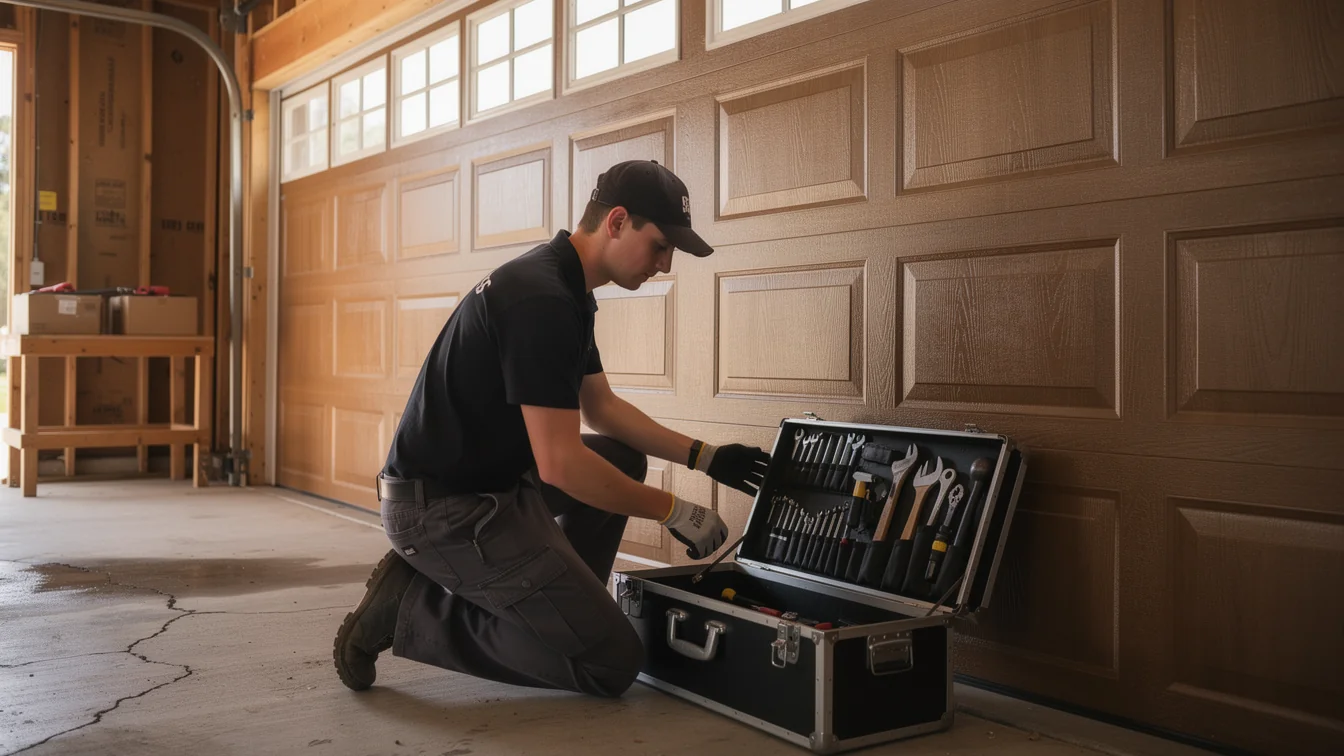
Most of the houses we get called to here went up between 1972 and 1994, with the median sitting right at 1982. That one fact shapes almost every call. A door and opener from that window is pushing thirty to fifty years old, even if it's been replaced once along the way. Torsion springs rated for a certain cycle count have usually blown past it. Rollers have worn their tracks into a slight hourglass shape you can't see until you run a hand along the rail. Across the service area's main pockets of that same 1980s-90s construction, the pattern repeats: a door that's worked fine for years, until a cold snap or a dead capacitor finds the weak point. A service call isn't just "fix the thing that broke." It's checking the spring tension, the cable wear, the track alignment, and the opener's force settings against a door system that was built to a different-era standard. Skipping that check and just swapping the broken part is how a five-minute fix turns into a second call three months later. We look at the whole system because on a house this age, the thing that failed is rarely the only thing close to failing.
The area
This area sits in a mild climate band that still gets occasional freeze nights, not the deep winters of further north but enough cold to stiffen grease, shrink metal slightly, and make a marginal spring feel like it's failing on the coldest morning of the year. Humidity is the steadier problem: it doesn't spike dramatically, but it's present most of the year, and it's what actually shortens the life of unlubricated hinges and lightly rusted cable ends on doors built in the 1970s through 90s. With 2,236 households in the service area and only 759 of those houses owner-occupied, a lot of calls come from landlords managing a rental, not the person who'll be living with the fix. That changes what gets prioritized - a landlord often wants the cheapest reliable repair, while an owner-occupant is more likely to ask about full replacement. Median household income here runs $47,739, which is the number that sits behind most of those conversations. A repair that keeps an older door running another five years is usually the right call for this budget; a full teardown-and-replace is sometimes the better long-term move, but it's not automatic, and we say so.
What we find
The most common mistake is treating a noisy door as a lubrication problem when it's actually a worn roller or a bent track - both common on doors from the 1970s-90s wave, where steel gauges were lighter than what's sold today. The second is assuming a working remote means the opener itself is fine. Openers from that era often ran motors and gear sets that have no replacement parts left in production, so "it still opens" can mask a motor that's seizing. Here's the honest limitation: if your opener is original to a house built in the early 1980s, we often can't source a matching part, and the real fix is swapping the unit, not patching it. We'll tell you that up front rather than charge for a repair that won't hold. People also underestimate how much a sagging owner-occupied-to-rental ratio matters for pricing decisions - a tenant calling about a stuck door usually needs it working today, not perfect, and that's a different job than a homeowner planning a full system upgrade.
How we work
Because the climate here is mild with only occasional freeze, there isn't a hard seasonal split the way there is further north - but there are still two distinct stress points. Summer humidity is steady work on anything with exposed metal: hinges, hardware, and the bottom seal on doors that have been in place since the 1980s or 90s show it first. The occasional freeze nights, while rare, are when a spring that's been losing tension slowly finally lets go, because cold metal has less give. We see a small bump in spring calls right after the first hard cold snap each year, and again in late summer when humidity has had months to work on hardware that hasn't been checked. Neither swing is dramatic, which is part of why doors on this housing stock get neglected - there's no single brutal season forcing a yearly inspection the way there would be somewhere with real winters. That's exactly why checking the system on a service call, rather than just chasing the symptom, matters more here than it would somewhere with an obvious seasonal trigger.
Questions
Most of the housing stock in the service area was built between 1972 and 1994, with 1982 as the median year. That means a large share of doors and openers still in service are original or close to it, which is why parts availability comes up on almost every call for a home in that range.
A door built in the 1970s-90s often has worn rollers, a slightly bent track, or an opener with aging gears alongside the broken spring. We check the whole system because replacing one part on a door this age without checking the rest usually means another call within months.
Yes, though not dramatically. The mild climate with occasional freeze nights means hardware doesn't take the extreme heat cycling you'd see further south, but steady humidity still works on hinges and seals year-round, and a cold snap is often what finally breaks a spring that was already near the end of its life.
With median household income in the service area at $47,739, repair is usually the more practical first move on a door that's structurally sound. Replacement makes more sense when the opener has no available parts or the track and panels are both failing at once, not just one component.
Recommendation
More garage door guides for Lake City homeowners.
Most Lake City homes went up between 1972 and 1994, which means openers built for a grid that didn't cut out as often.
Read more
Most Lake City garage doors date to the 1970s-90s build boom, before insulation codes existed.
Read more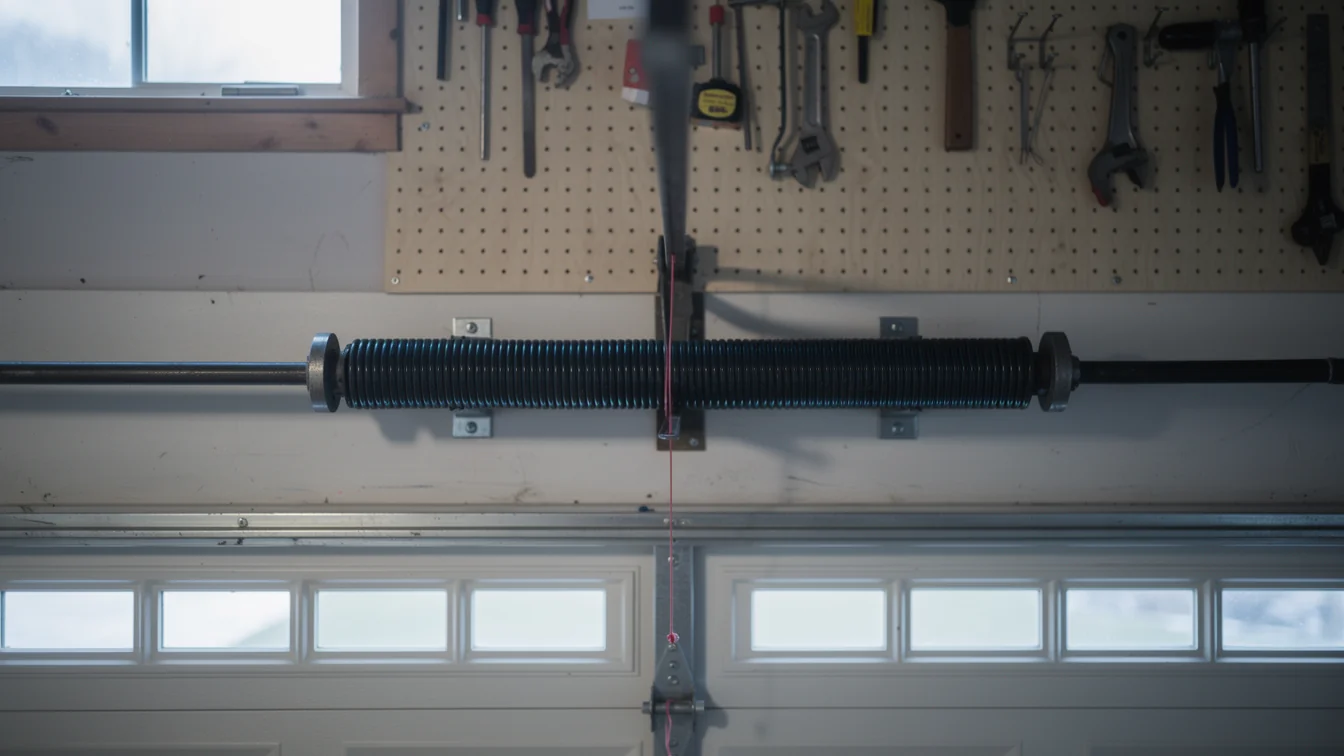
Most Lake City homes date to 1972-1994, with original garage door hardware.
Read moreReady when you are
Lake City Garage Door Pros repairs and installs garage doors, springs and openers in Lake City, FL and the surrounding area.