
Lake City, FL
Garage Door Installation for Lake City's 1970s-90s Housing Stock
Installing garage doors for Lake City homes built mostly between 1972 and 1994 - sized for our mild, occasional-freeze climate and the original openings underneath.
How We Fix It
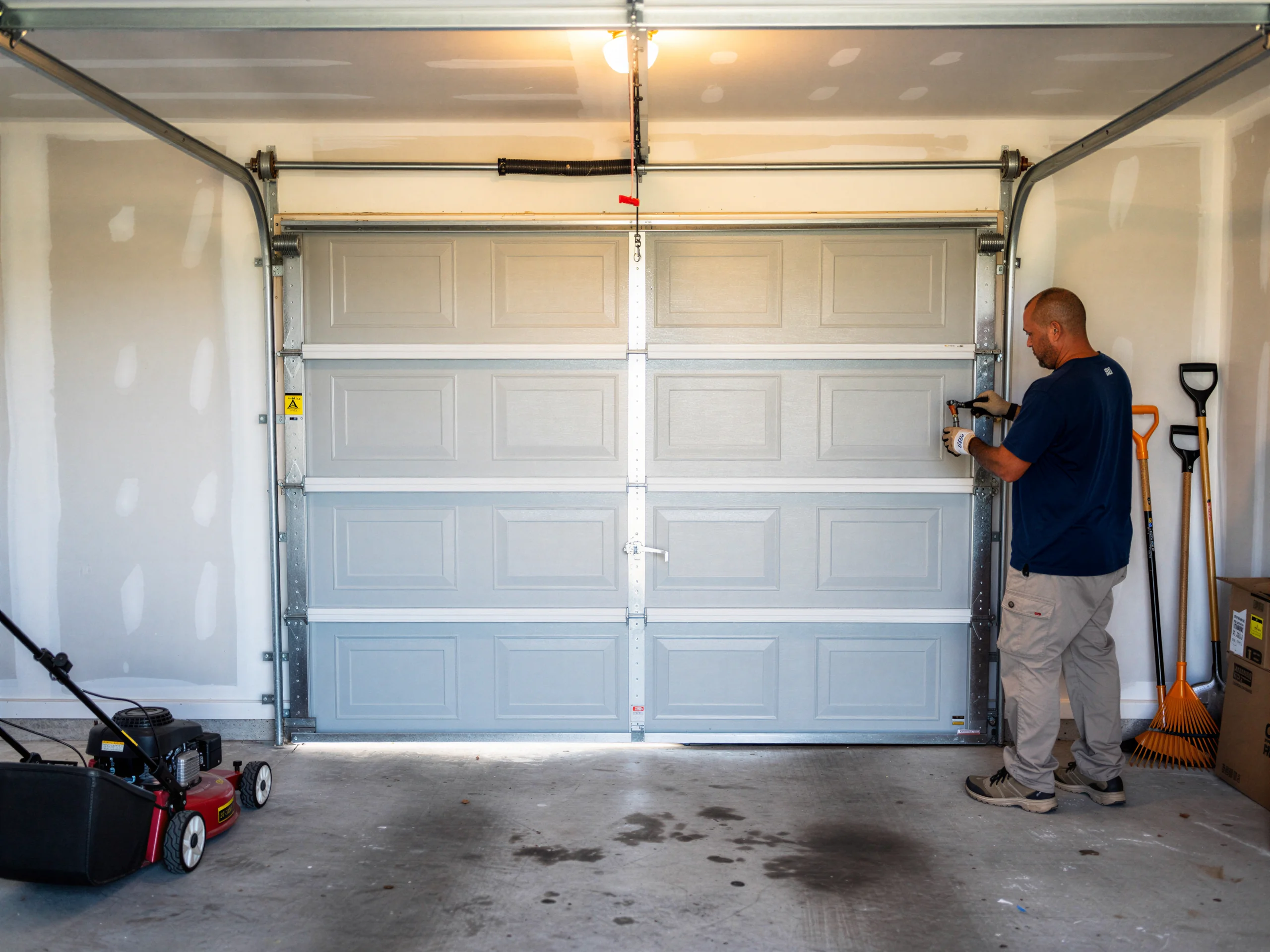
Installation starts with pulling the old door and section, inspecting the jambs and header for rot or settling - common enough in homes from this era - and confirming the opening is square before anything new goes up.
Plumb track installation
We set new tracks plumb, size the torsion spring to the actual door weight rather than reusing an old spring rating, and balance the door by hand before the opener ever touches it.
Basic insulation expectations
For homes in our mild climate band with occasional freeze risk, we don't oversell insulation ratings nobody here needs - a basic steel door with a vapor barrier handles the swings we actually get.
Framing repairs come first
One honest limit: if the framing around the opening is too far out of square or too deteriorated to anchor new track hardware safely, that's a carpentry job before it's a door job, and we'll say so rather than force an install that won't hold.
What Causes It Around Here
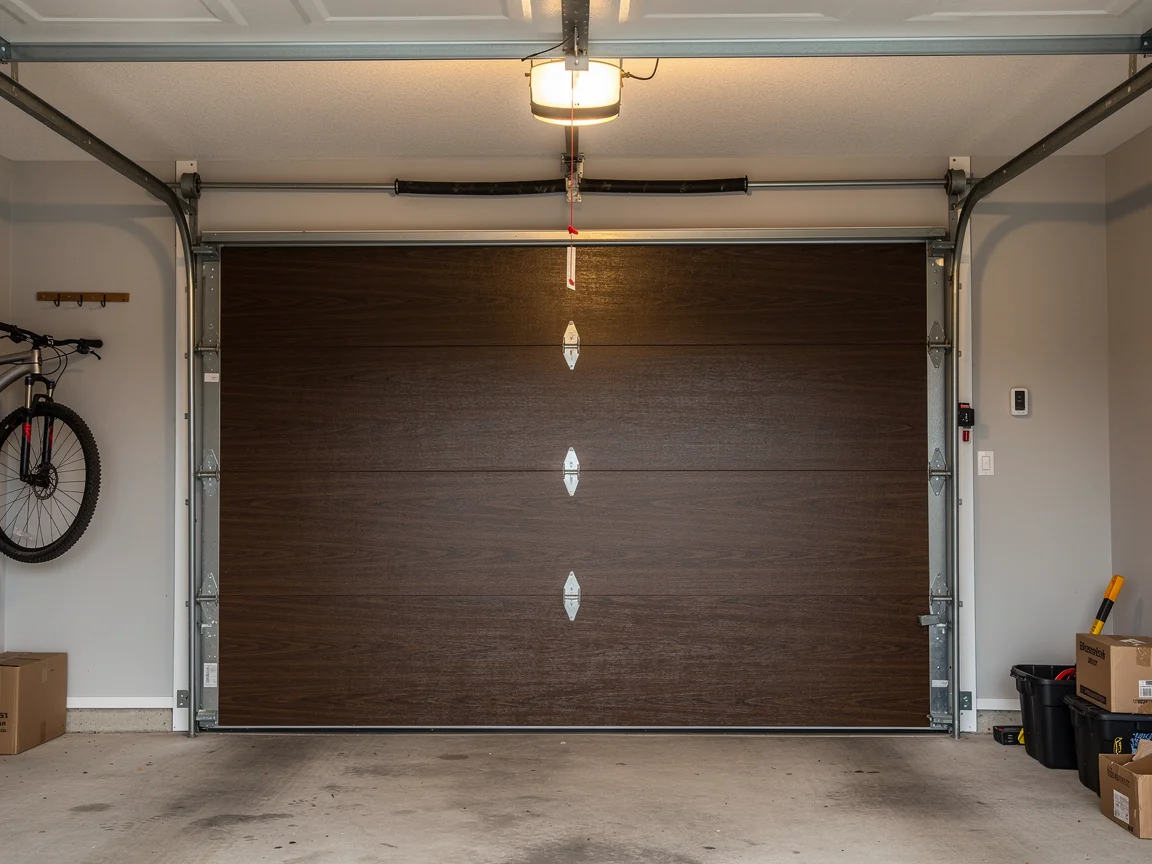
The reason so many of these jobs come from the same handful of neighborhoods isn't bad luck - it's that houses built in the same ten-to-fifteen-year window tend to fail in the same ten-to-fifteen-year window. A door and opener installed when the house went up in the late 70s or 80s is now solidly past its working life, and the springs, rollers, and tracks on original equipment weren't built to the standards sold today. At a median household income of $47,739, most owners we talk to are deciding between a straightforward steel replacement and a step-up insulated model, not defaulting to the premium end automatically. We spec accordingly rather than pushing a door that doesn't match the budget or the house.
How It Shows Up
Usually it starts small: the door hesitates partway up, the opener strains and reverses, or a panel has started to bow where the original steel has thinned. Sometimes it's simpler than that - the homeowner just wants to get ahead of a 40-year-old door before a spring lets go on its own schedule instead of theirs. We see both. Either way, by the time someone calls us, the door is usually telling on hardware that was never upgraded since the house was built, not a one-off defect. New installation resets that clock with parts rated for current use, not whatever was standard when the house went up.
Time on the Job
We install doors on homes across the service area that cluster near Five Points, Watertown, White Springs, and Fort White - four pockets where the housing is overwhelmingly 1980s and 90s construction, with the median home here built around 1982.
Modern doors not drop-in
That matters more than it sounds like it should. A door built for a 1982 opening isn't always a drop-in fit for what's sold off the shelf today, and a lot of the original hardware in these homes was never meant to carry a modern insulated panel.
Measuring the opening
We measure the opening, check the track clearance against the actual framing in the garage, and spec a door that matches what the house can take, not just what looks good in a catalog.
Normal service life end
With 2,236 households in the area and 759 owner-occupied houses, a good chunk of what we see is original equipment finally giving out after four decades, not a failure - just the end of a normal service life.
Questions
Common questions
How do I know if I need a new door or just a repair?
If the door itself is original to a house built in the 1972-1994 range, repair parts often cost close to what a new door runs, and you're still left with 40-year-old track and hardware. We'll tell you honestly which side of that line your job falls on before we quote anything.
Do I need a heavy-insulated door for this climate?
Not usually. We're in a mild band with occasional freeze risk, not a true freeze zone, so a standard steel door with a basic vapor barrier covers most homes here. We'll flag it if your situation is different.
What areas do you cover for installation?
We work the pockets around Five Points, Watertown, White Springs, and Fort White, which covers most of the housing stock from the 1970s through 90s that we see for replacement jobs.
Will the new door fit my original opening?
Usually, but not automatically. Homes from this era sometimes have framing or track clearance that doesn't match current standard sizing, so we measure the actual opening before ordering anything rather than assuming it matches the catalog spec.
Explore more
Explore More Services In Lake City, FL
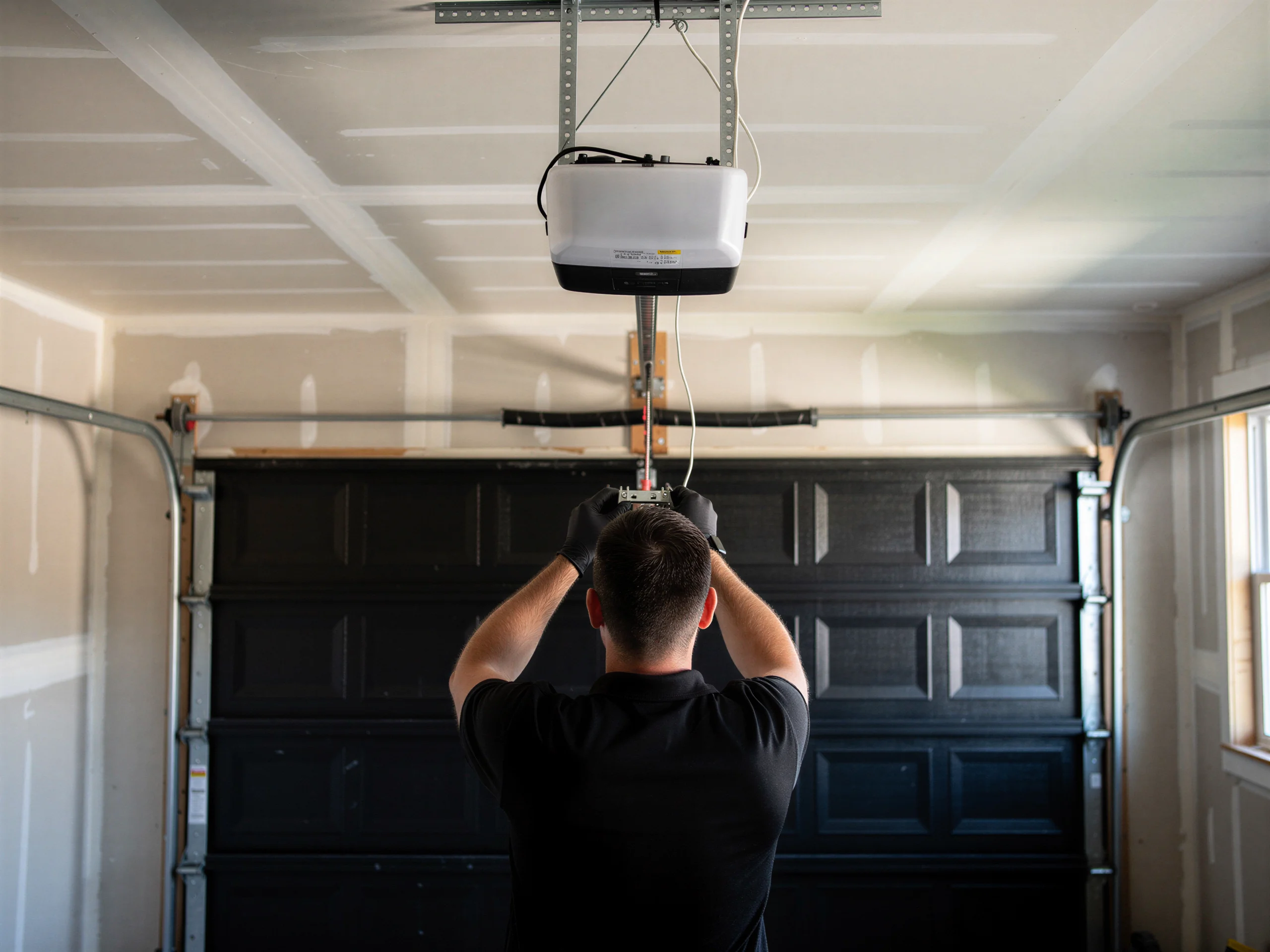
Garage Door Opener Installation, Lake City FL
Lake City homes built 1972-1994 are outgrowing their original chain-drive openers. Learn more →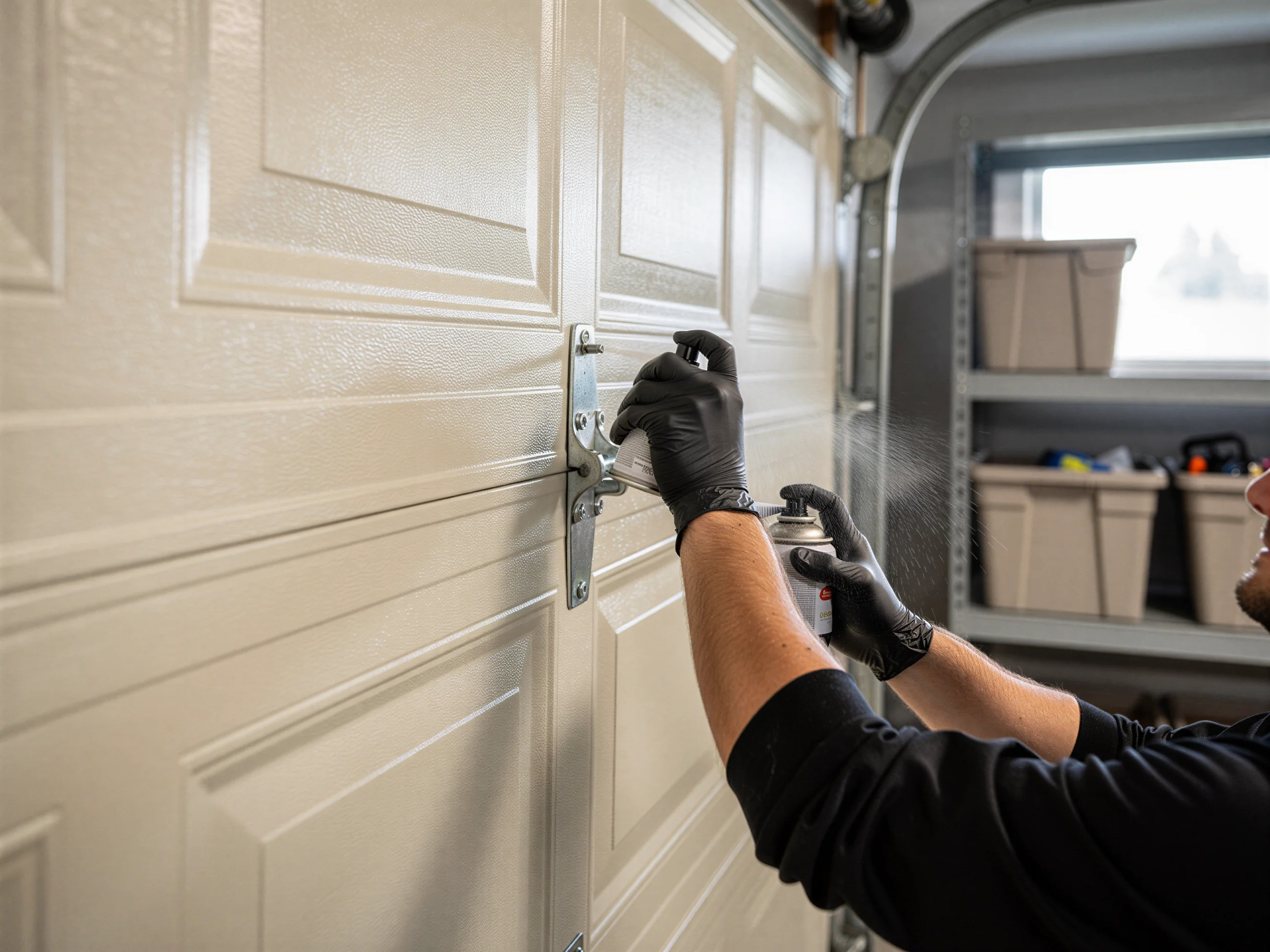
Garage Door Spring Repair for Lake City Homes
Original torsion springs in Lake City's 1980s-era homes give out after decades of mild heat and occasional freeze. Learn more →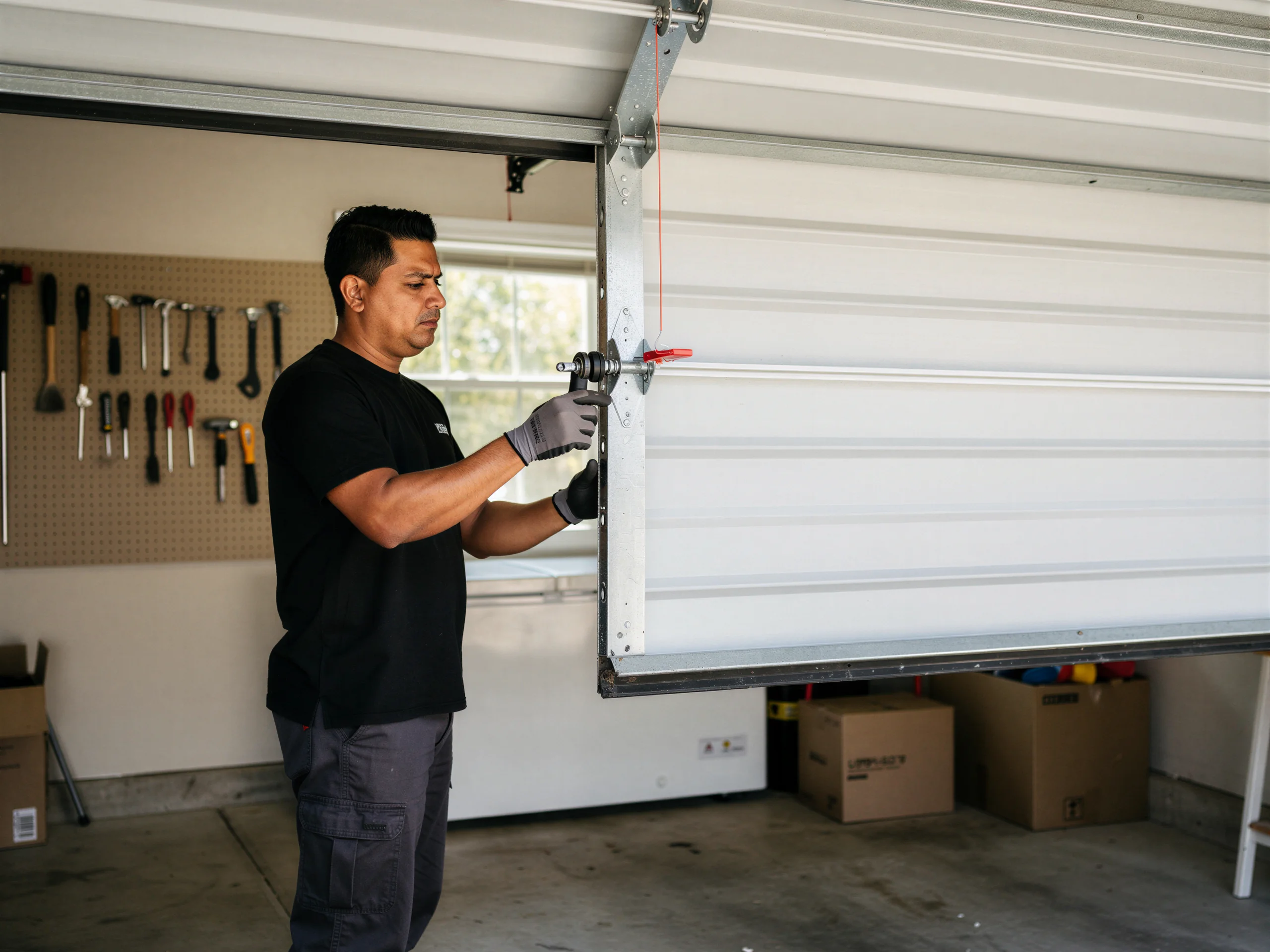
When a Garage Door Jumps Its Track in Lake City
Lake City homes built between 1972 and 1994 see off-track garage doors after freeze-thaw swings. Learn more →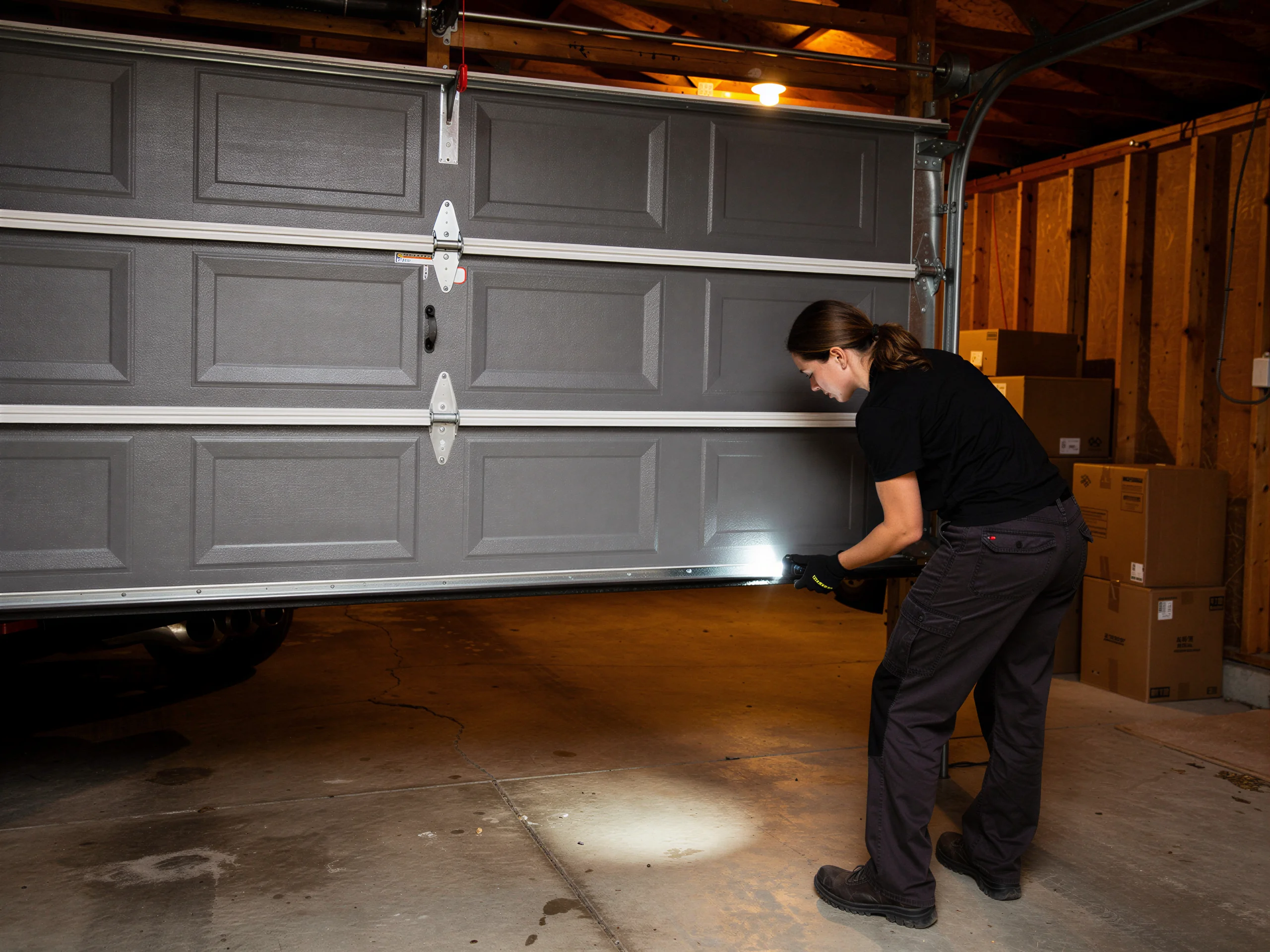
Garage Door Repair for Lake City's 1970s-90s Housing Stock
Lake City homes built mostly between 1972 and 1994 run original springs and openers that are decades past their rated cycles. Learn more →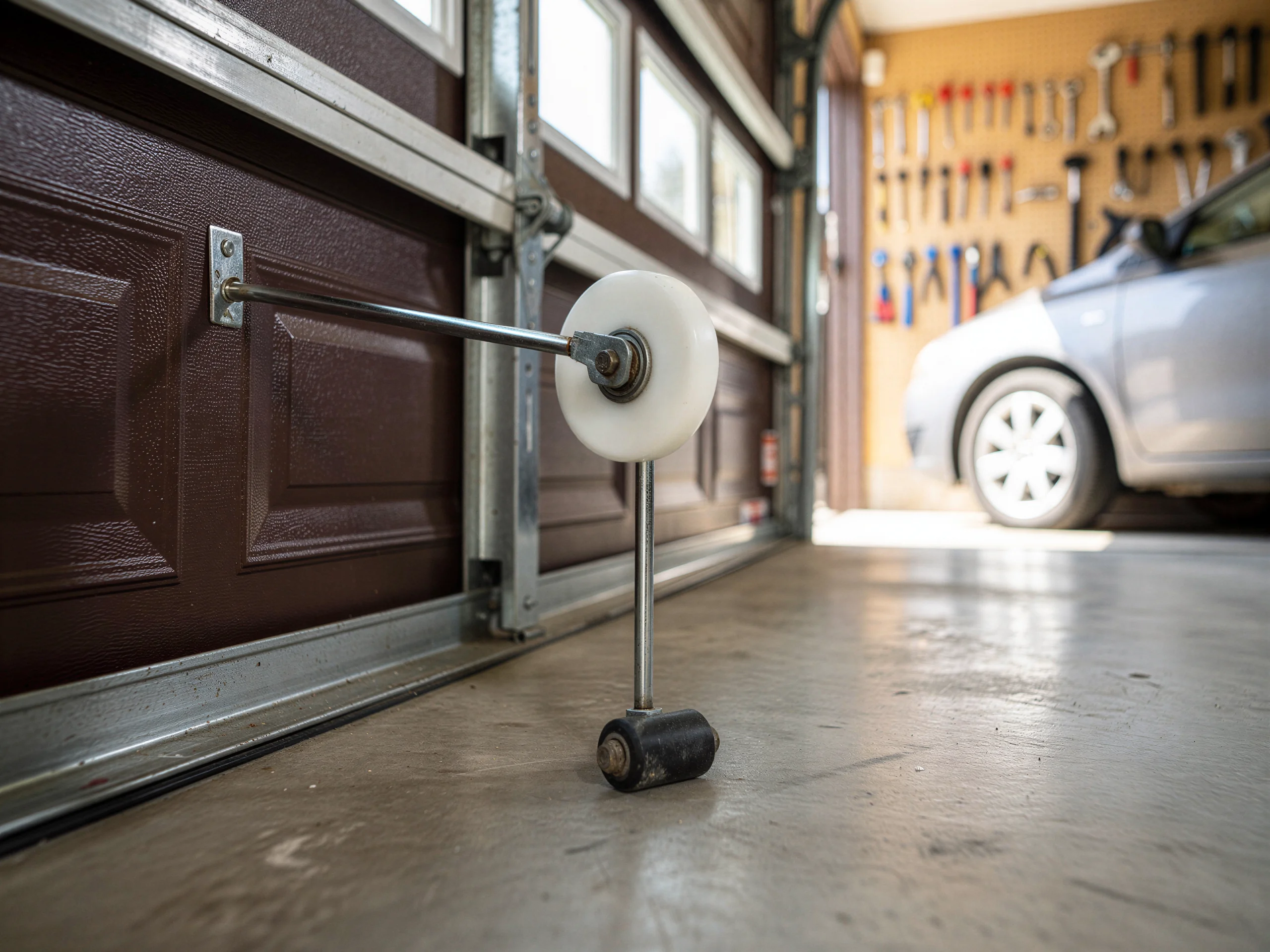
Garage Door Roller Replacement Around Lake City
Worn or cracked rollers on a 1980s Lake City garage door? Learn more →
Garage Door Maintenance Built for Lake City's 1980s Housing Stock
Tune-ups for Lake City's 1972-1994 housing stock, built around the mild, occasional-freeze climate that covers Five Points, Watertown, and the rest of the service area. Learn more →Ready when you are
Ready for a new garage door in Lake City?
Lake City Garage Door Pros repairs and installs garage doors, springs and openers in Lake City, FL and the surrounding area.