Fort White, Lake City
Roller Replacement for Fort White's 1990s-Era Garage Doors
Fort White homes mostly went up in the early-to-mid 1990s, which means nylon rollers on steel track. Here's what that means for your door and what the job runs.
How to Book
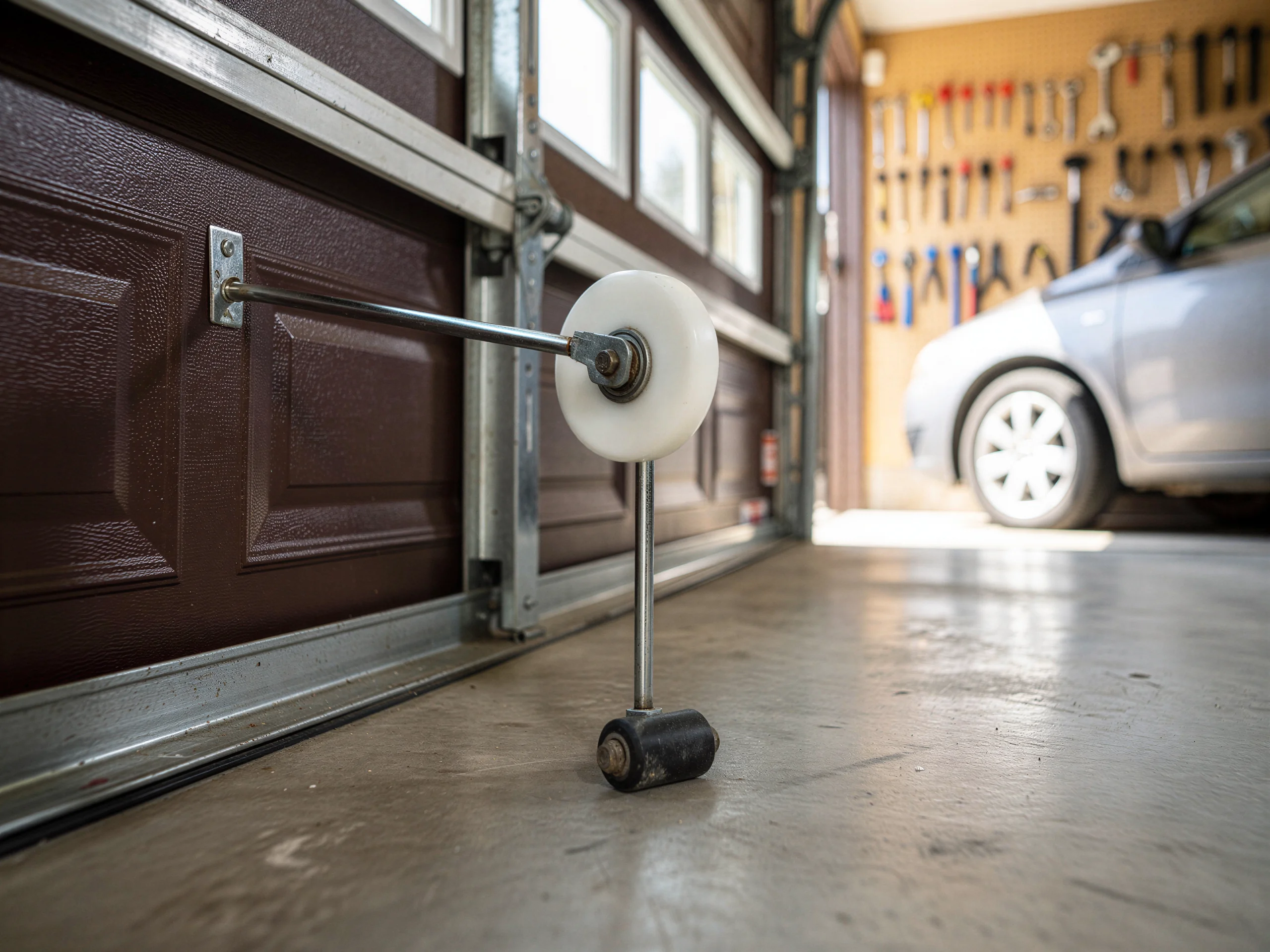
We cover Fort White from our Lake City shop, about 19 miles out, along with the rest of the area including Five Points and Watertown closer in. Tell us the symptom - where in the door's travel it binds, grinds, or jerks - and that helps us bring the right roller stock the first trip instead of a second visit.
We don't have a posted response window specific to Fort White to give you here, so ask when you call and we'll tell you straight. Book through the areas page for Fort White or compare this job against the full roller-replacement writeup for Lake City if you want the broader rundown.
Parts We Carry
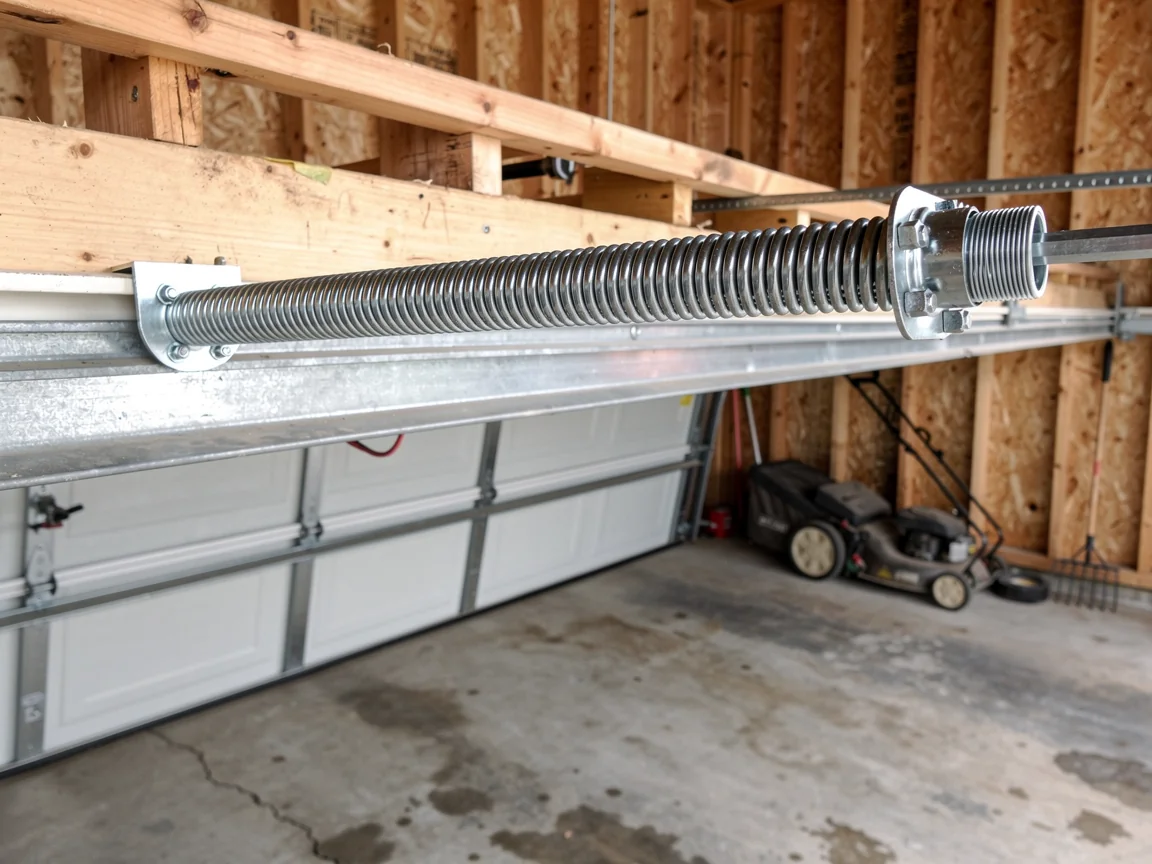
For doors in the 1994 build-year range, we stock standard nylon rollers with steel stems, which fit the track and bracket spacing that was typical on garage doors built through the 1980s and into the mid-90s.
Sealed-bearing roller upgrade
We also carry sealed-bearing steel rollers for owners who want a quieter, longer-lived upgrade over stock nylon. What we don't stock on the truck: rollers sized for much older galvanized-wheel systems or oddball imported hardware.
Older stem length checks
If your door predates the 1994-era standard, there's a chance the stem length or wheel diameter is different, and that part may need to be ordered rather than pulled off the truck same-visit. We'll check the stem and bracket spacing on arrival before promising a part we don't have with us.
How It Shows Up
The usual first sign is a grinding or squeak that happens at the same point in the door's travel every single time - that's the bad roller passing through the same spot in the track. On a steady nylon-roller wear pattern, it gets louder over a few weeks rather than failing all at once.
Some owners notice the door hesitating or jerking right where the track curves from vertical to horizontal, since that's where a worn roller has to work hardest to turn the corner. If the door is catching there and nowhere else, that's roller wear, not a spring problem.
Mild winters with occasional freeze don't crack nylon rollers the way harder freeze-thaw climates do, so if a roller in Fort White is failing, it's almost always plain mileage - years of travel, not weather damage. That's useful to know before you assume cold snapped something.
What Can Go Wrong
On a door from the early-to-mid 1990s, the rollers you're most likely dealing with are nylon with a steel stem, riding in steel track that's held up fine structurally but has 30 years of grit packed into the rail.
Oval nylon wheel binding
The common failure isn't the roller snapping - it's the nylon wheel wearing oval, which makes the door bind or jump at the same spot in the track every time it passes.
Stem bent by misalignment
A second pattern we see on houses from this era: the stem bends slightly from years of a slightly-off track alignment, and the door starts grinding rather than rolling. That's not always a roller-only fix - sometimes the track bracket needs to be reset at the same time, or the roller will just wear again in a few months.
Track bend beyond rollers
One honest limitation: if the track itself is bent, not just dirty or slightly misaligned, swapping rollers alone won't fix the noise or the binding. We'll tell you that on-site rather than sell you a roller job that doesn't solve the actual problem.
What You Pay
Fort White's housing stock centers on a median build year of 1994, which puts most doors here on the steel-rail, nylon-roller setup that became standard once builders moved off the older galvanized-wheel tracks common in older stock. That's a cheaper roller to replace than the steel-wheel kind, and it's usually a straightforward swap rather than a full track rebuild.
We don't have a published price list for this job, and we're not going to invent one here - roller count, whether the track needs realignment, and whether you want nylon or sealed-bearing steel all move the number. What we can tell you: this is a parts-and-labor job, not a structural one, on the great majority of doors in this area.
Fort White sits about 19 miles out from our shop in Lake City, which is worth knowing up front since we're traveling in for the call rather than running a local branch. That distance doesn't change the repair - it just means we're not a walk-in counter, we're a truck that comes to you.
Questions
Common questions
Why do my rollers keep wearing out in the same spot on the track?
That's almost always the curved section where the track bends from vertical to horizontal. A worn roller has to work harder there, so it wears faster at that point than anywhere else on the run. Replacing just that roller usually fixes it, unless the bracket at that curve has also shifted.
Do I need new track with new rollers?
Not usually. On the 1990s-era steel track common in Fort White, the rail itself holds up fine for decades - it's the roller wheel that wears. We only recommend track work if it's visibly bent or the bracket has pulled loose, and we'll show you that on-site before charging for it.
Is nylon or steel the better roller for this area?
Nylon is the standard fit and runs quieter day to day. Steel sealed-bearing rollers cost more but last longer under heavy daily use. Given Fort White's mild-with-occasional-freeze climate, weather isn't the deciding factor here - how many times a day the door cycles is.
How far out is Fort White from your shop?
About 19 miles from our Lake City location. We travel out for the job rather than running a branch in Fort White itself, so there's no walk-in counter here - just let us know the symptom when you call so we bring the right parts.
Explore more
More Services in Fort White
Emergency Garage Door
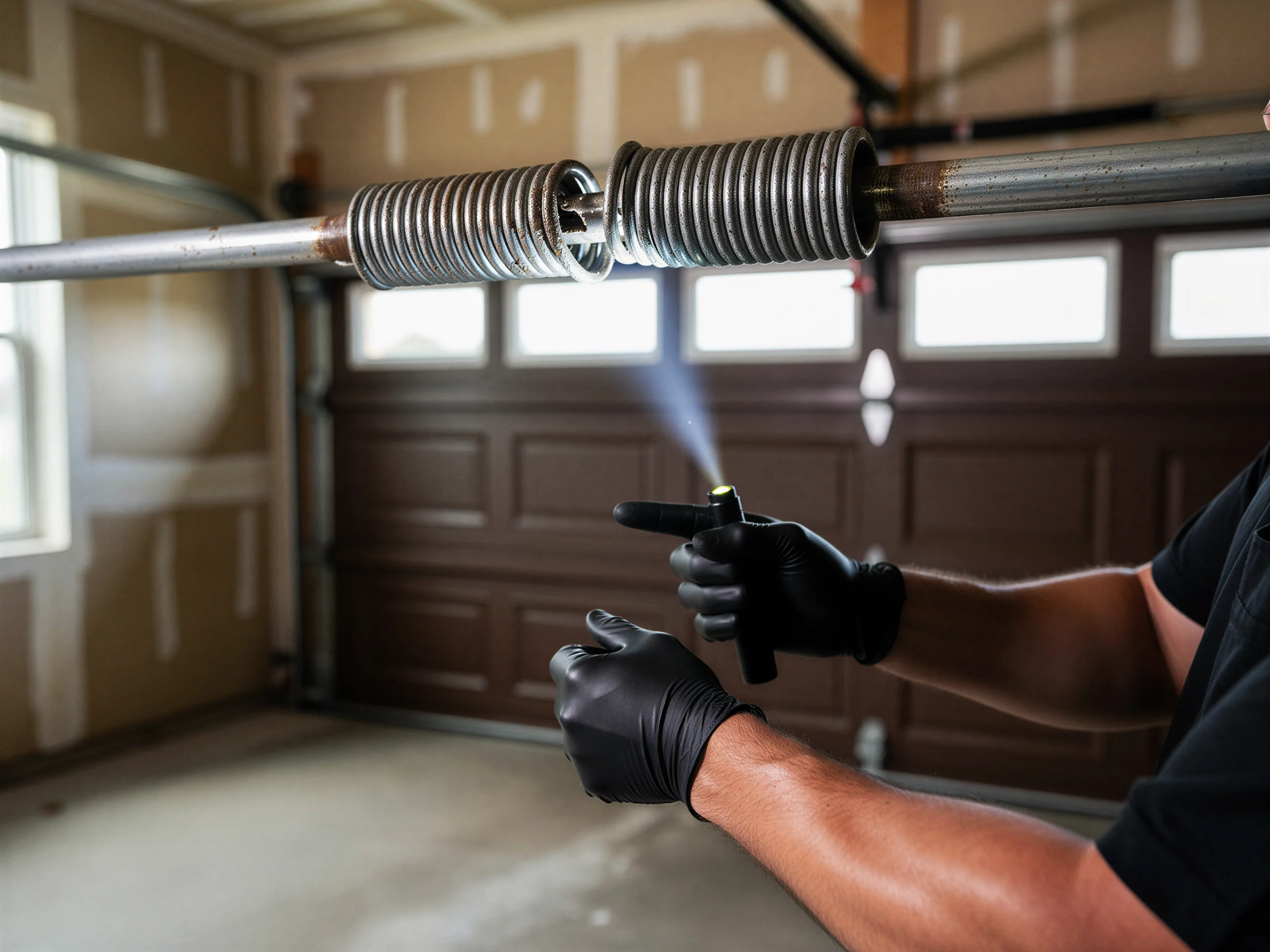
Fort White homes mostly date to 1994, later than the Lake City service area's 1982 median. Learn more →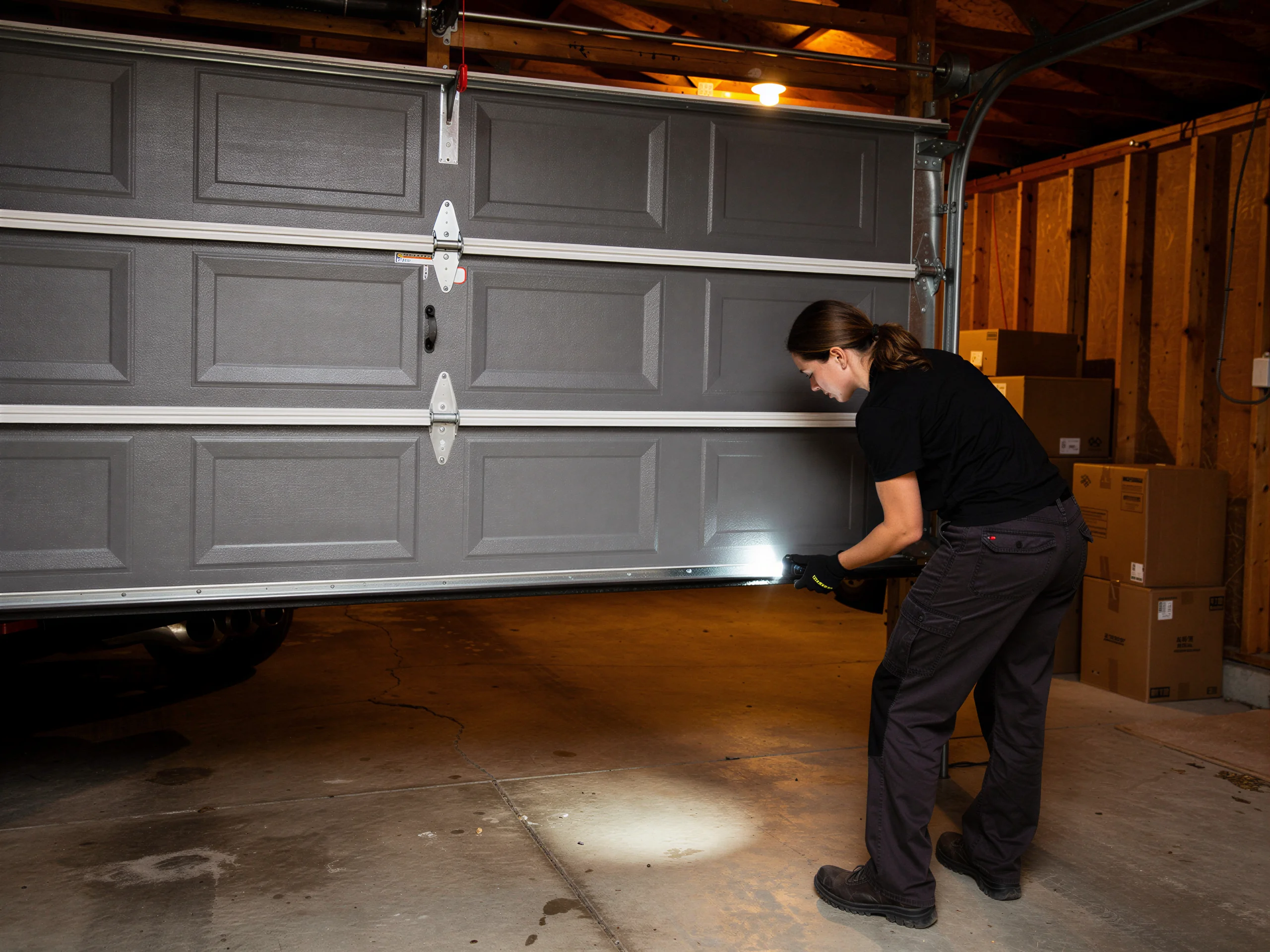
Garage Door Repair
Fort White's houses date mostly to 1994, newer than much of the county. Learn more →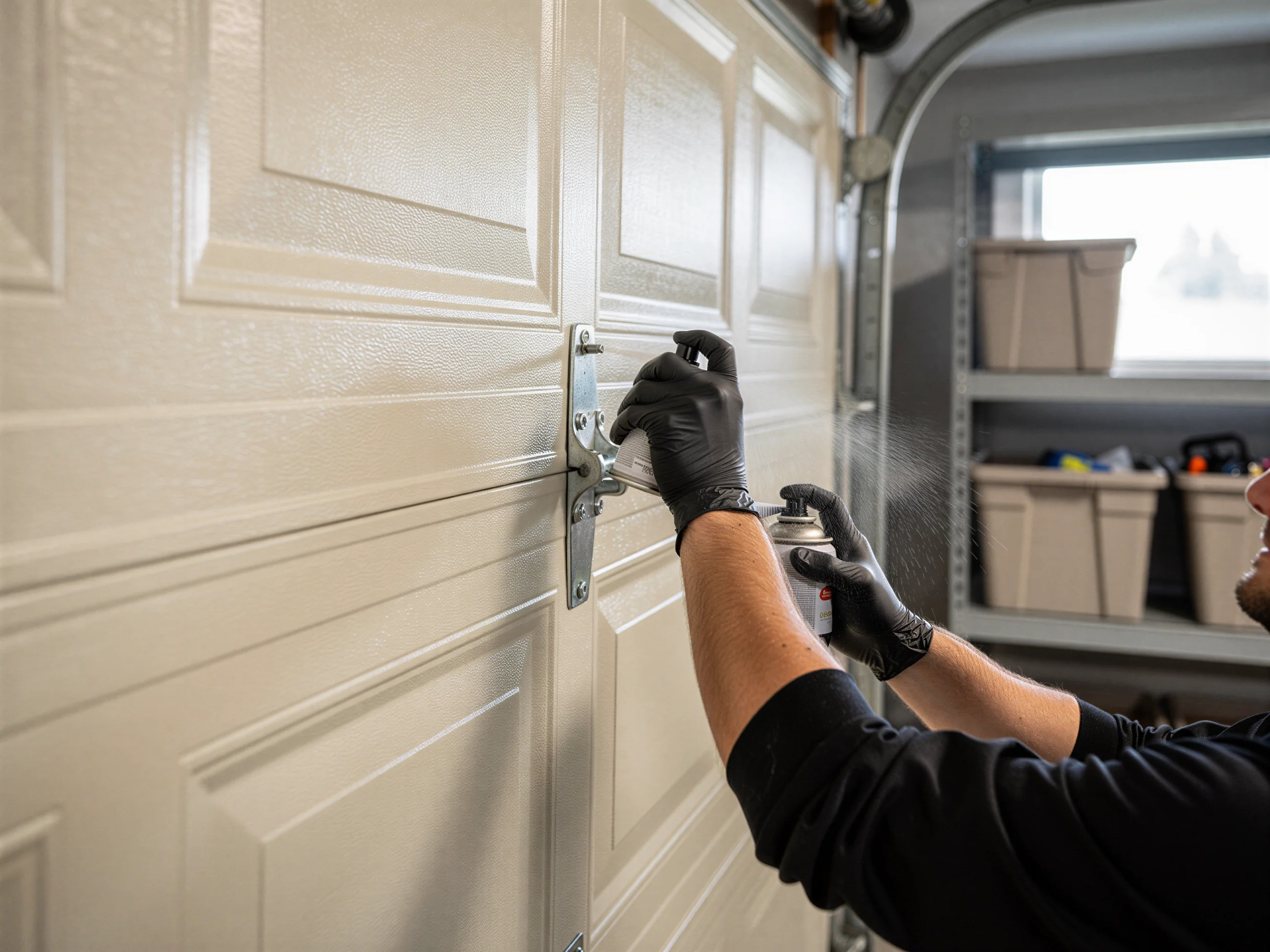
Garage Door Service
Garage door repair and install for Fort White, FL, 19 miles from our Lake City shop. Learn more →
Maintenance
Fort White's garage doors mostly date to 1994, newer than much of the Lake City service area - here's what yearly maintenance catches before a spring or bearing fails. Learn more →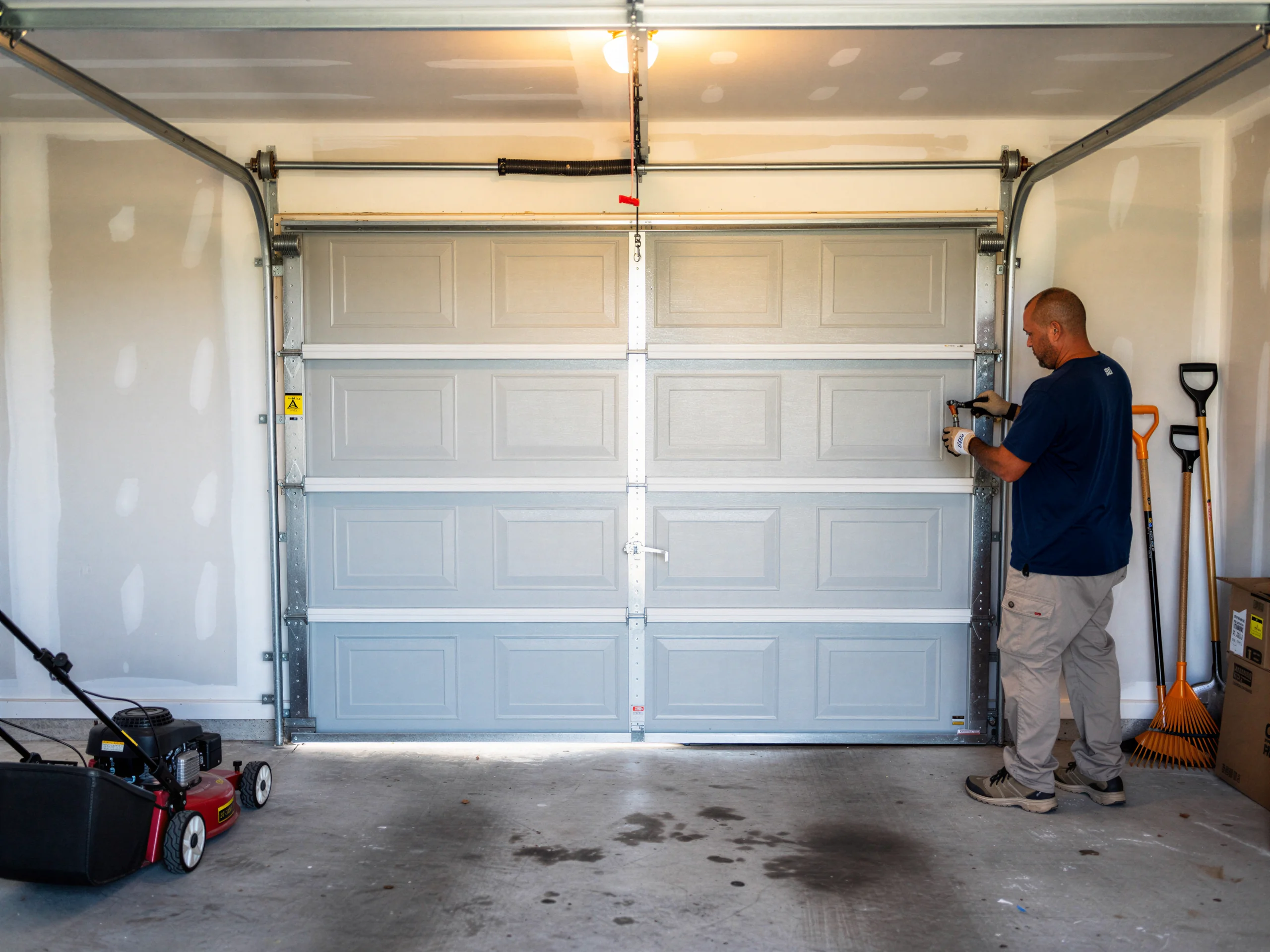
New Door Installation
Fort White homes run newer than most of the service area - 1990s stock, not 1980s. Learn more →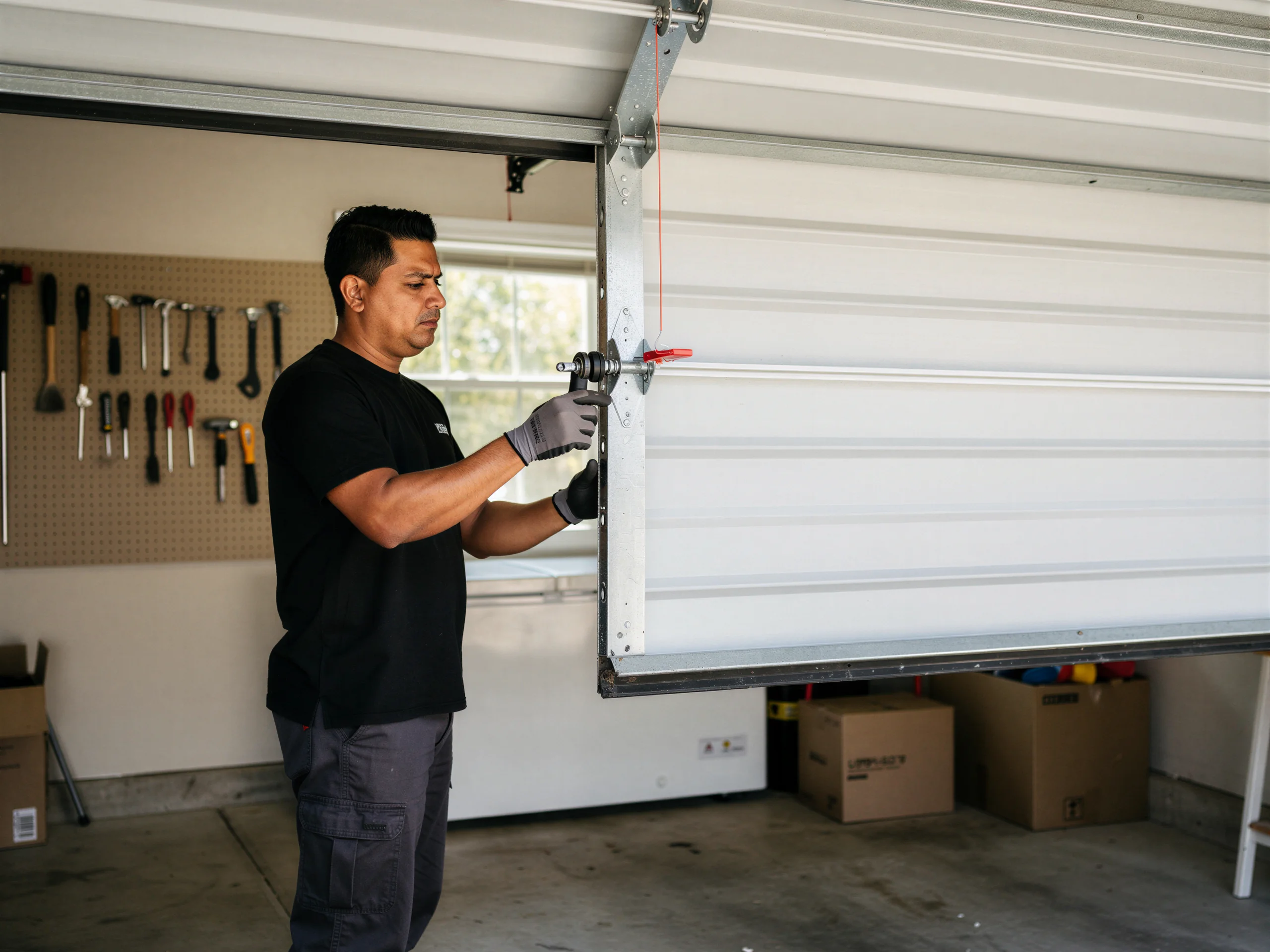
Off Track Repair
Off-track garage door repair for Fort White, FL homes built around 1994 - bent track, worn rollers, loose brackets. Learn more →
Opener Installation
Fort White's garage doors mostly date to the 1990s building boom - lighter steel, wider openings, and openers that are now 25-30 years old. Learn more →Ready when you are
Noisy or worn garage door rollers in Fort White?
Lake City Garage Door Pros repairs and installs garage doors, springs and openers in Lake City, FL and the surrounding area.