Watertown, Lake City
Emergency Garage Door Repair, Watertown FL
Watertown's garage doors mostly date to 1976 - narrow track, extension springs, steel slabs. We drive out from Lake City, two miles away, to fix what breaks.
Time on the Job
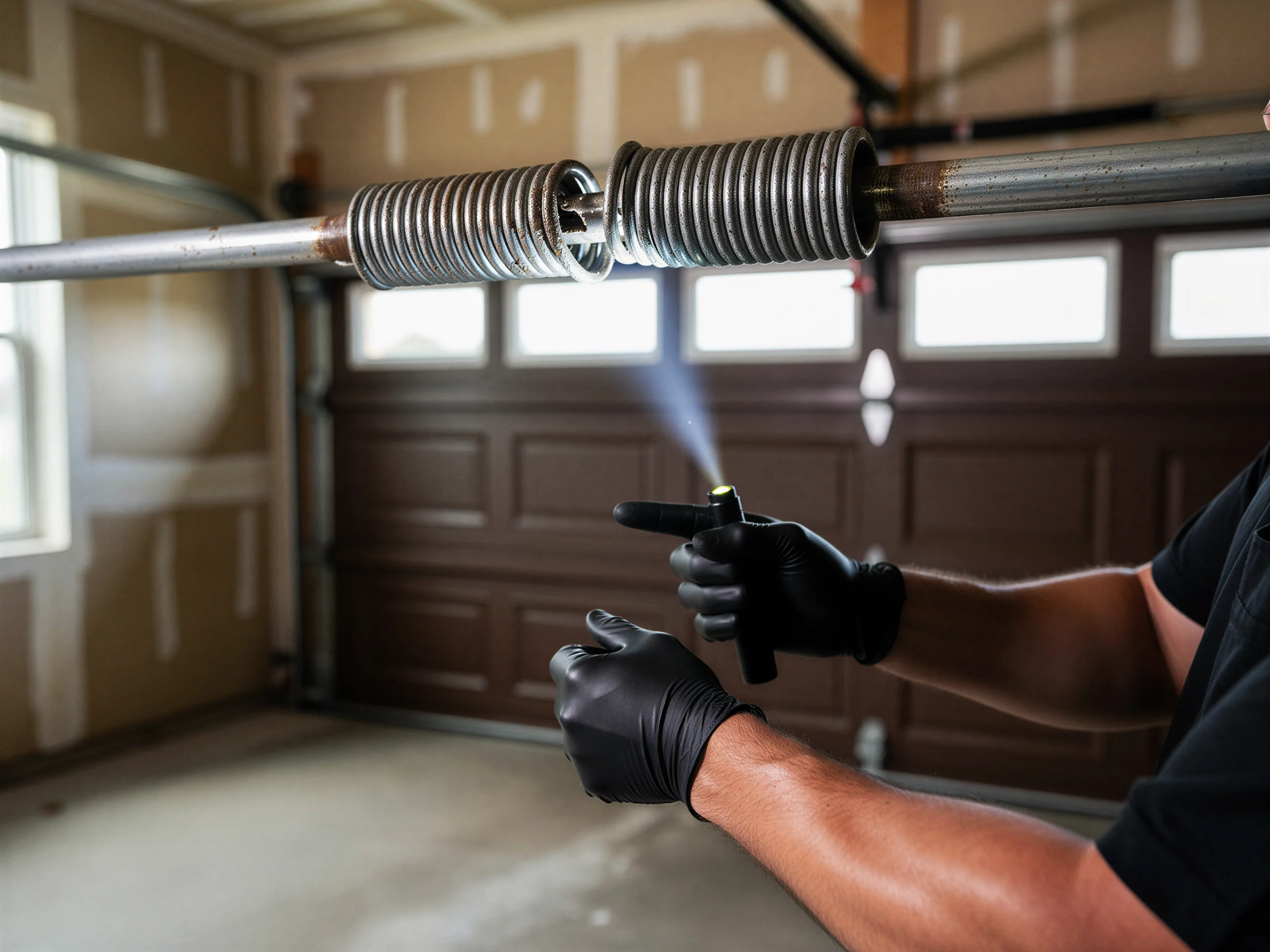
A straight spring or cable replacement on one of Watertown's older single-layer doors is usually the fastest call we run, since the parts are simple and we carry them. Where the visit runs longer is when the track or the bottom bracket has rusted enough that it needs full replacement rather than adjustment, which is common on doors from the 1970s that have never had hardware swapped.
We're about two miles out of Lake City to reach Watertown, so the drive itself isn't the variable - the condition of a forty-plus-year-old door is. If you catch us before the spring fully snaps, sometimes a visit is just tightening and lubricating worn parts before they fail outright, which is a shorter job than an emergency call after the fact. Either way, we diagnose on arrival and tell you what the repair actually involves before starting, not after.
What Can Go Wrong
On a door built around 1976, the failures we see most are mechanical fatigue, not storm damage. Extension springs stretch and lose tension over the years until one side gives out completely, which is why a door that used to lift evenly starts tilting on its way up.
Brackets rust through
Bottom brackets rust through at the roller stem, especially on doors that have taken on moisture over the decades. Cables fray where they wrap the drum, often invisibly until the day they snap.
Second generation opener mismatch
Openers on these older setups are frequently a second-generation replacement rather than original equipment, which means the door hardware and the opener's assumptions about weight and travel don't always match anymore - a common source of a door that reverses itself or stalls a few inches up.
Age not weather failures
We don't see much wind or impact damage out this way; the mild climate with only occasional freeze events means the failures are almost entirely age and wear rather than weather events. That's a useful thing to know before you assume a sudden break means something dramatic happened outside - more often it's a part that was always going to fail eventually, and eventually arrived.
Parts We Carry
Because Watertown's housing stock centers on 1976, we keep extension springs and narrow-rail rollers sized for that era's doors on the truck, not just the torsion-spring kits that fit newer construction.
Cable and bottom brackets
We also carry standard cable, the common pulley sizes, and replacement bottom brackets, since those tend to rust and seize on doors that have sat through a few decades of Florida humidity with mild winters and the occasional freeze. What we don't always have on the truck is an exact panel match for a door this old.
Discontinued panel profiles
Steel panel profiles changed more than once between the 1970s and now, and if a single panel on a 16-by-7 double door is dented beyond straightening, we may need to order a replacement section rather than pull one off the shelf.
Panel repair wait time
That's the one real limitation worth stating plainly: a panel-only repair on an older door sometimes means a short wait, not a same-visit fix. Full replacement is usually faster than waiting on a discontinued panel, and we'll tell you honestly which makes more sense for your door rather than stretching a repair that won't hold.
The DIY Question
If your door is stuck halfway open and you're standing in the garage with a ladder, the honest answer depends on what's actually broken. A loose bottom roller or a bent hinge on a door this age is something a careful homeowner can often snug back into place.
Snapped spring is dangerous
A snapped extension spring is not - those springs are under real tension even at rest, and on the older style mounting used in houses built around 1976, the spring sits closer to head height than on newer torsion setups, which makes a failure more likely to catch a hand or a face.
Uneven door needs pro
We'd rather tell you that up front than have you find out the hard way. If the door won't move at all, or one side is visibly lower than the other, that's a cable or spring problem, not a lubrication problem, and no amount of WD-40 fixes it.
Simple DIY checks
Where DIY makes sense: tightening visible hardware, clearing the track of debris, checking the wall switch and the photo-eye sensors if the opener just won't respond. Where it doesn't: anything involving the spring itself, the cable drums, or the torsion assembly on the handful of newer doors in the area that have one.
How We Fix It
Most of the doors we open up in Watertown are steel slabs that went in around 1976, the median build year for houses on this side of the county.
Single layer extension setups
That means single-layer panels, no foam core, mounted on narrow two-inch track with extension springs stretched along the horizontal rail rather than a torsion bar over the header. When one of these fails, it usually fails loud - a spring lets go, or a bottom roller finally gives out after forty-some years of riding a track that's never been swapped.
Identifying the failed part
Our approach on a call like this starts with figuring out whether the failure is the spring, the cable, or the track itself, because on a door this old those three parts wear at different rates and replacing the wrong one wastes your money.
Era-specific stock on truck
We bring stock sized for this era's doors - the shorter extension springs and the narrower roller carriages - because a modern torsion-spring kit won't bolt onto 1970s hardware without adapting the header bracket, and that's a bigger job than most callers expect when they just want the door moving again. We're coming from Lake City, about two miles off, so travel isn't the long part of the job. Diagnosing a door that's been patched once or twice before usually is.
Questions
Common questions
Why does my garage door feel different from newer ones I've seen?
Most houses in Watertown were built around 1976, and the doors from that era are single-layer steel on narrow track with extension springs rather than the torsion-bar, foam-core doors common since the mid-1980s. That older hardware behaves differently when it fails - often more abruptly - which is why a spring break here can feel sudden even though it's just wear catching up.
How far out is Lake City Garage Door Pros from Watertown?
About two miles. We run out of Lake City and Watertown is one of the closer stops on our route, so travel time isn't the long part of a call here - working out what's actually failed on an older door usually takes longer than the drive.
Do you carry parts for older doors on the truck?
Yes, for the common failures. Extension springs, narrow-rail rollers, cable, and brackets sized for 1970s-era doors are stocked because that's what most of Watertown has. Exact panel matches for a dented section are the one thing that sometimes needs ordering, since steel panel profiles changed more than once over the decades.
Is it ever cheaper to just replace the door instead of fixing it?
Sometimes, especially if a panel is damaged and an exact match isn't available, or if the door has had several patch repairs already. We'll tell you honestly when a repair won't hold versus when replacement is the better value, rather than stretching an old door's life past what makes sense.
Explore more
More Services in Watertown
Garage Door Repair
Watertown homes mostly went up around 1976, a few years ahead of the wider Lake City area's 1982 median. Learn more →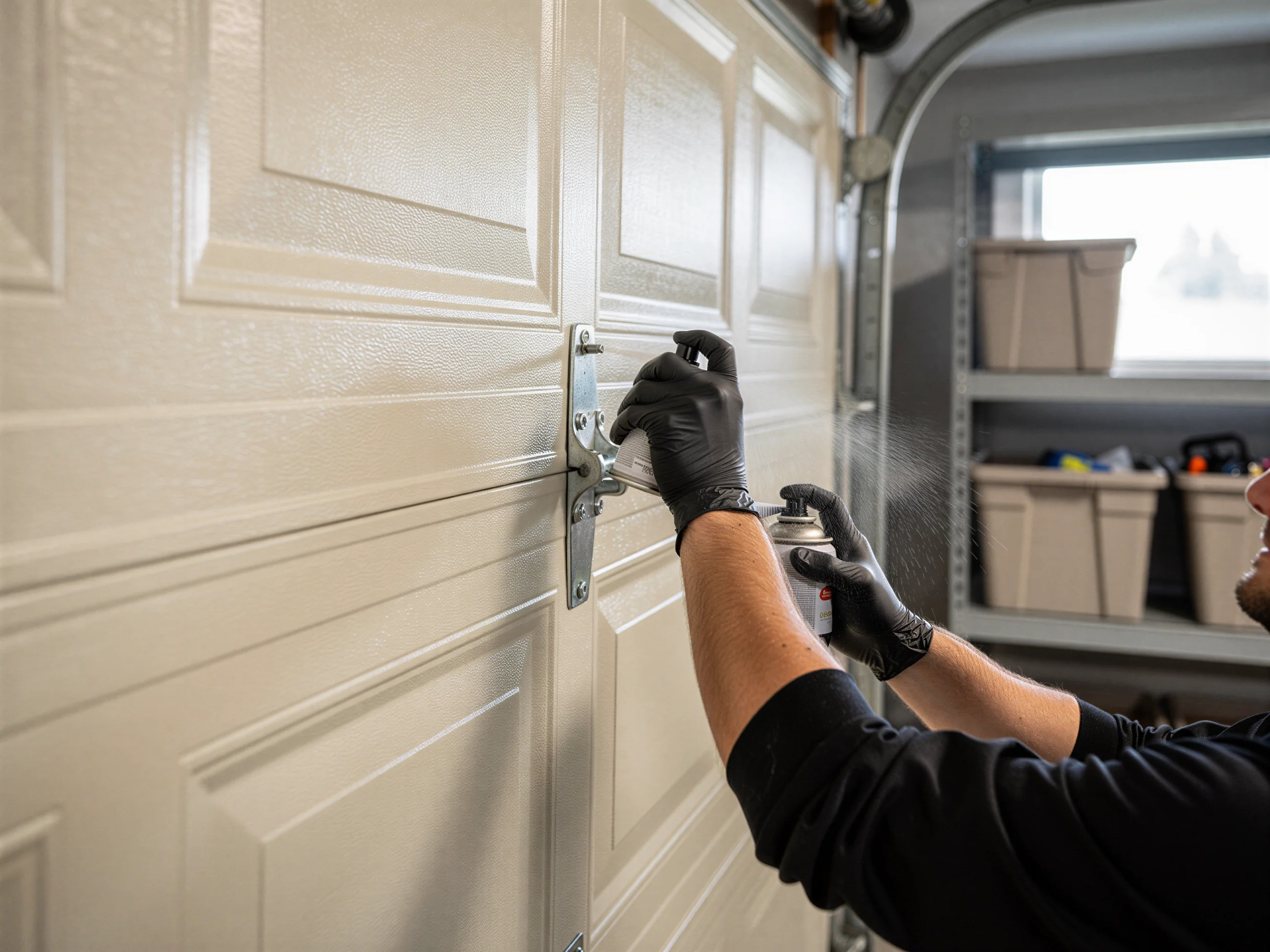
Garage Door Service
Watertown, FL homes date mostly to the mid-1970s, meaning older garage door hardware and springs built for that era. Learn more →
Maintenance
Watertown homes mostly date to 1976, older than the service area average. Learn more →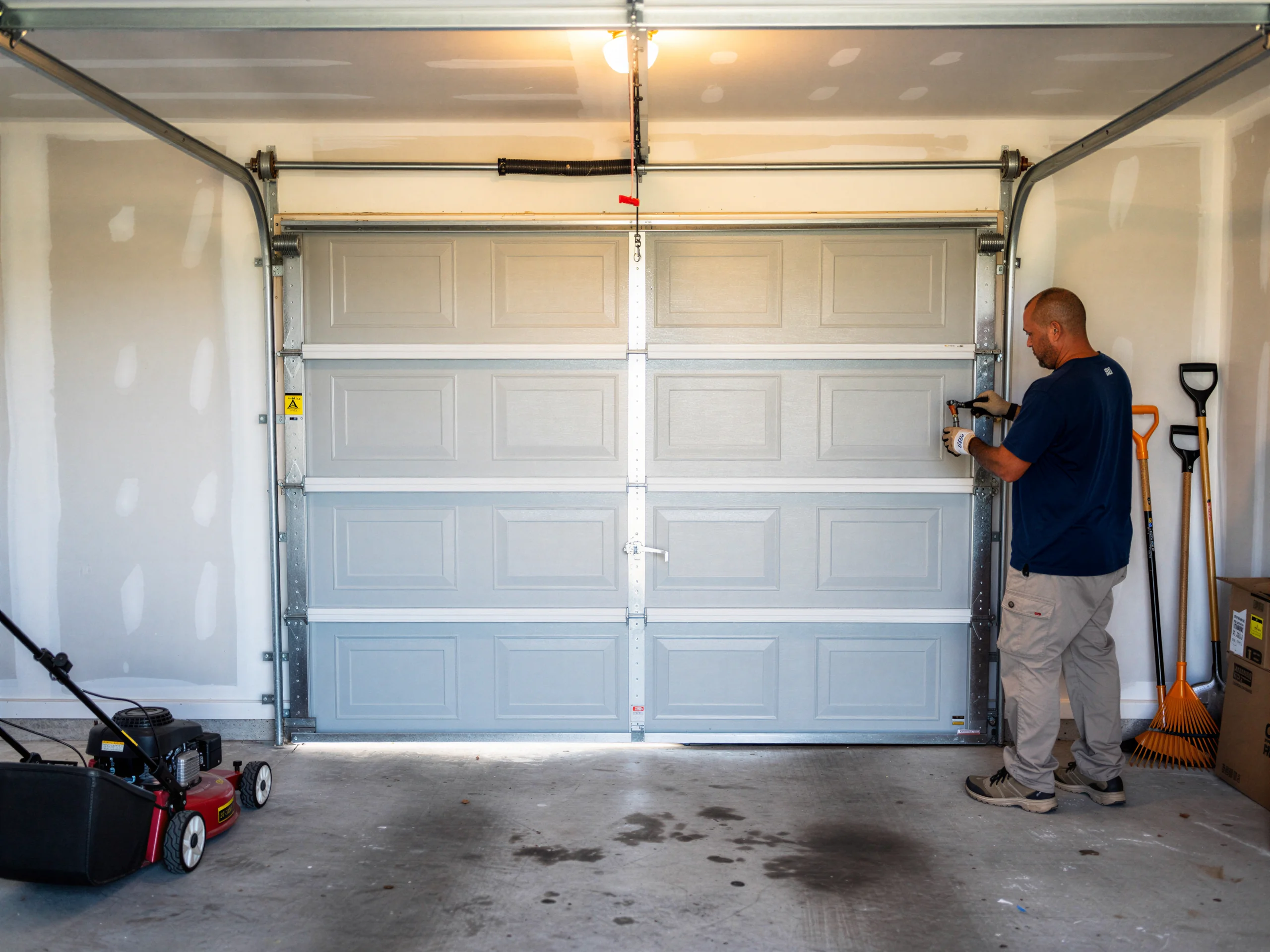
New Door Installation
Watertown houses mostly went up around 1976. Learn more →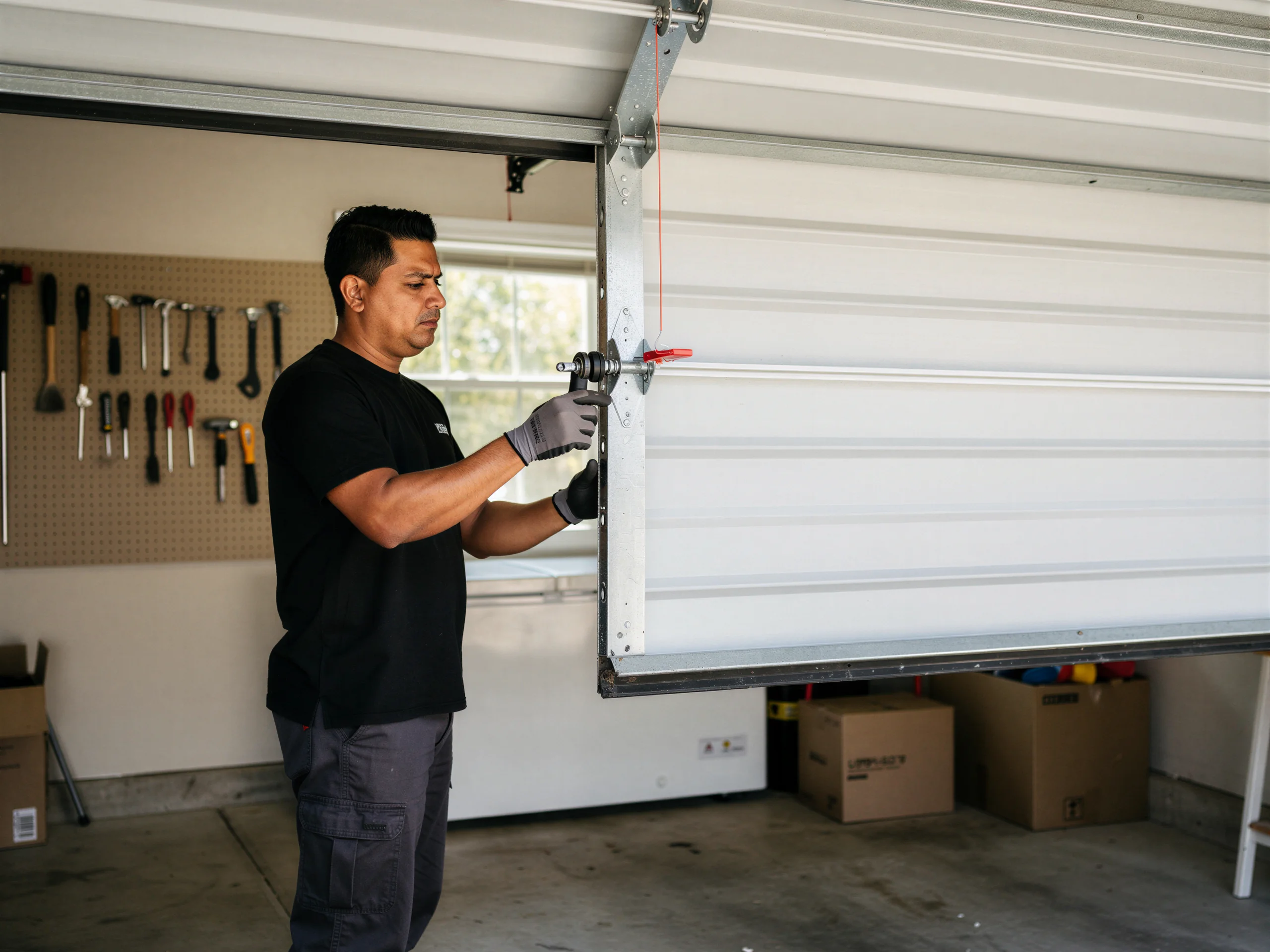
Off Track Repair
Watertown homes date mostly to 1976, and that original track hardware is why doors jump track here. Learn more →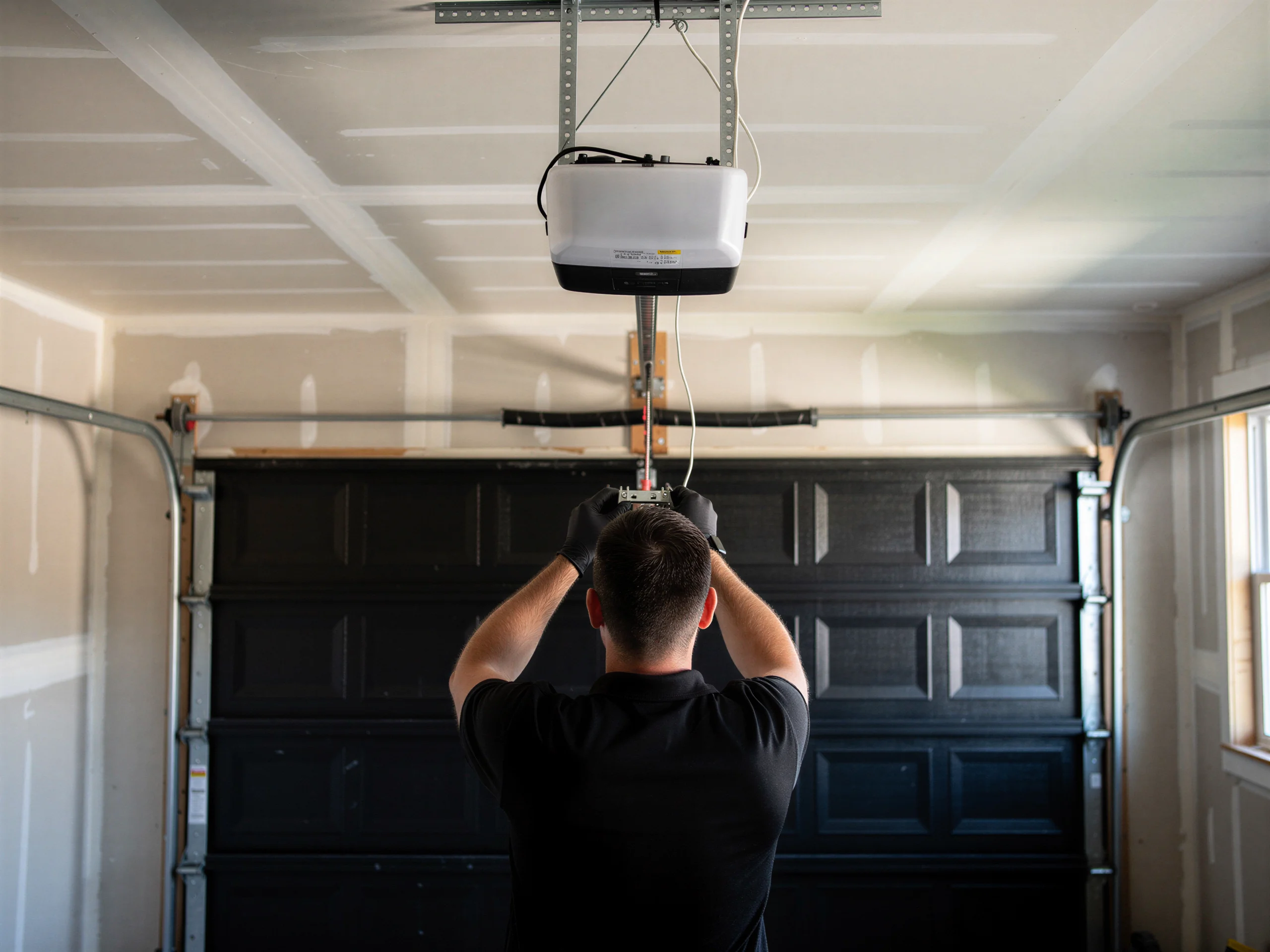
Opener Installation
Watertown's homes date to around 1976, often with openers that have outlived their circuit boards. Learn more →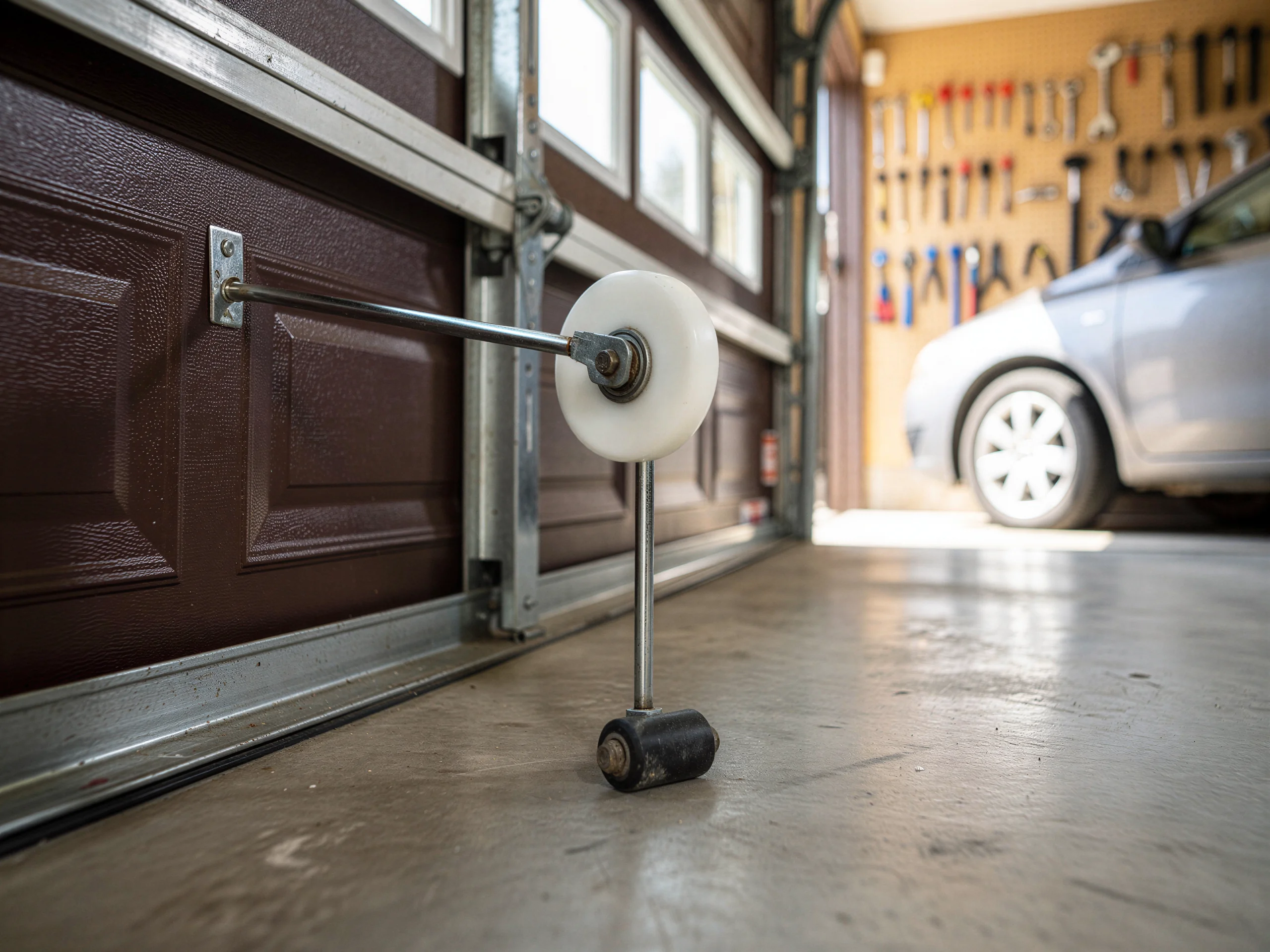
Roller Replacement
Roller replacement for Watertown's 1970s-era garage doors, priced for a $43,164 median income. Learn more →Ready when you are
Garage door emergency in Watertown?
Lake City Garage Door Pros repairs and installs garage doors, springs and openers in Lake City, FL and the surrounding area.