Watertown, Lake City
Garage Door Maintenance for Watertown's 1970s-Era Doors
Watertown homes mostly date to 1976, older than the service area average. We tune the hardware that era actually used, from two miles up the road in Lake City.
Time on the Job
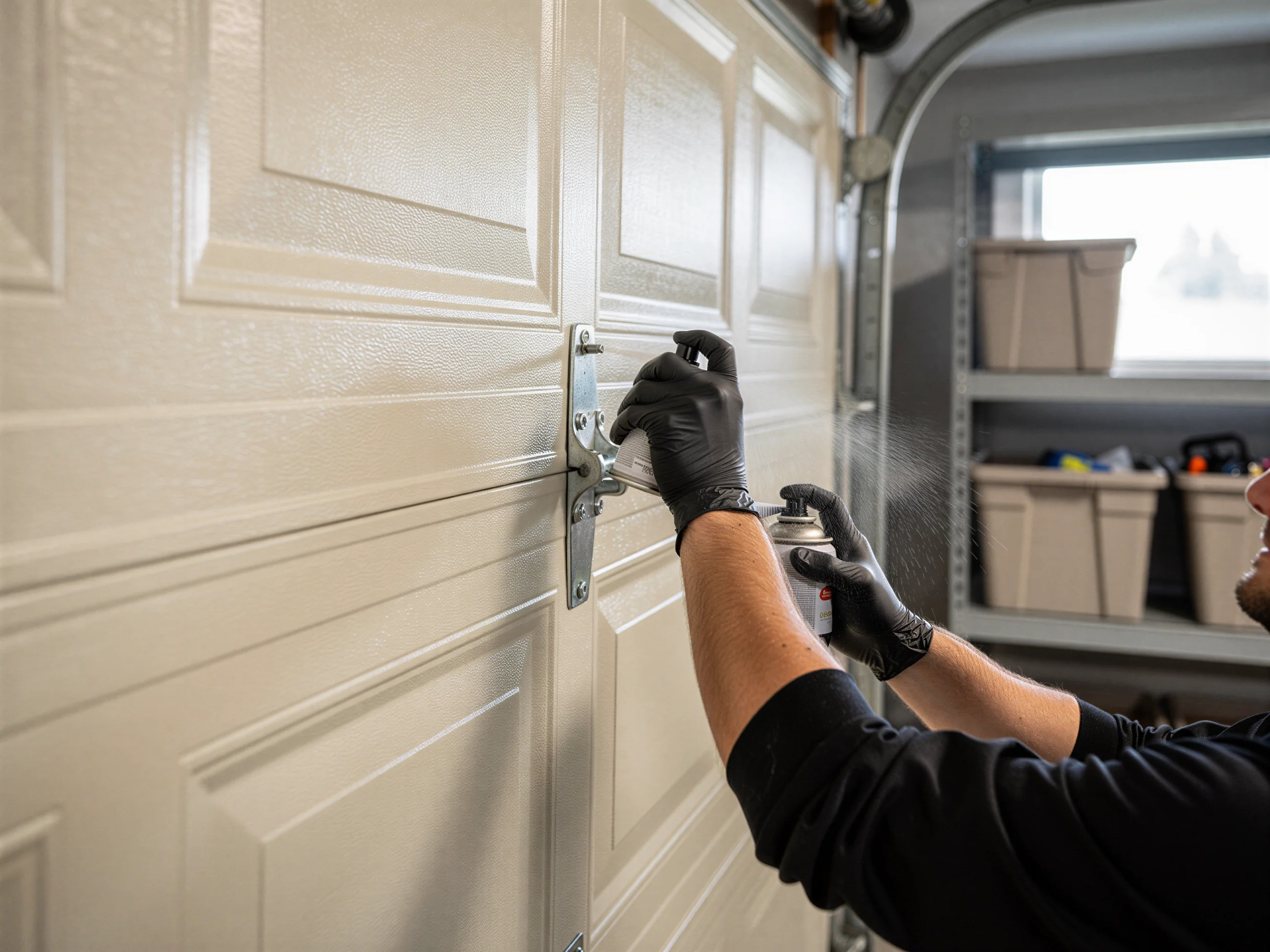
We're about two miles from Watertown, which is close enough that a maintenance visit doesn't turn into half a day of travel time tacked onto the actual work. That distance also means if something turns up mid-visit - a cable that's more frayed than it looked, a roller that's about to seize - we can usually get the part from the truck or make a quick run back rather than rescheduling the whole job. With about 1,328 households in Watertown clustered around the same building era, we often see the same style of door fail the same way across a few houses in the same stretch, which helps us know what to check for before we even open the panel.
What Can Go Wrong
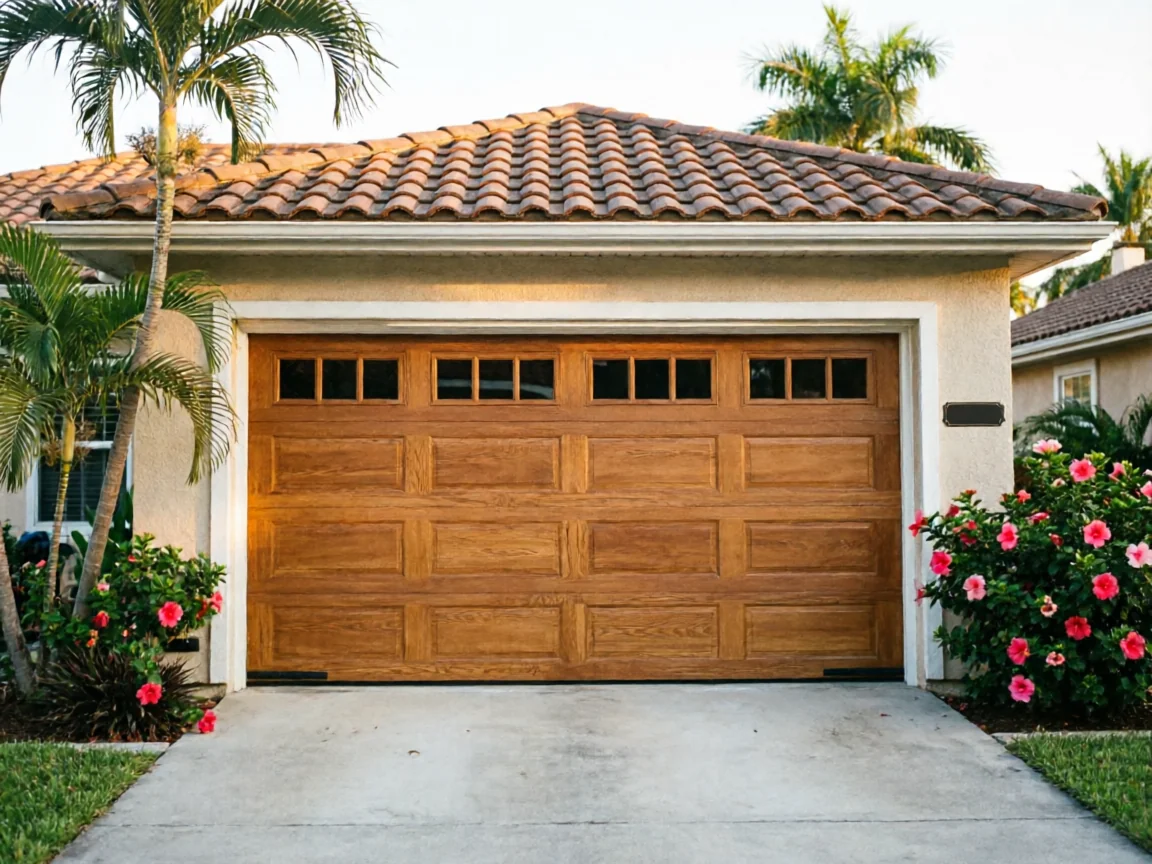
On a door built around 1976, the most common failure we see is a spring that's simply run out of cycles - extension springs from that era weren't rated for the lifespan homeowners expect today, and when they go, they go without much warning.
Drum cable fraying
Second most common is cable fraying near the drum, which is harder to spot on an older door because the drum itself may be a style that's no longer manufactured.
Freeze swings stress cables
Our climate here runs mild with occasional freezes, and that's enough temperature swing to stiffen old grease inside a drum and tighten steel just enough to add stress to a cable that's already thinning.
Focus on tension hardware
None of this means a 1970s door is a lost cause - a lot of them are structurally solid. It means the maintenance check needs to focus on tension hardware, not just moving parts.
Parts We Carry
Because so much of Watertown's door stock traces back to the same mid-70s building wave, we stock rollers, hinges, and cable sized for that generation of hardware, not just the newer stuff. Nylon rollers to replace the steel ones that have gone loud, standard-gauge lift cable, and the galvanized hardware that holds up against the occasional freeze this area sees in winter. One honest limit: if a door needs an exact-match panel for an original 1970s design that's long out of production, we may not have it on the truck, and depending on the manufacturer it can take time to source. In that case we'll tell you whether a full panel swap or a full door replacement makes more financial sense, rather than ordering a part that sits on backorder for weeks.
The DIY Question
Lubricating hinges and rollers with a garage-door-specific grease, wiping down the track, and tightening visible hardware bolts are fine to do yourself, and doing them twice a year keeps a lot of small problems from becoming service calls.
Spring hazard without cable
What we don't recommend touching yourself is anything involving the spring system - on a door built around 1976 without a safety cable, a spring under tension that lets go can put a steel rod through drywall or worse.
Force tuning off-limits
We also don't recommend DIY opener force adjustments on an older door, since the force settings interact with spring tension you may not be able to see clearly from the garage floor. If you're not sure whether what you're looking at is a bolt or a spring anchor, that's the line where we'd rather you call.
How We Fix It
Most houses in Watertown went up around 1976, a few years ahead of the 1982 median for the rest of our service area. That matters for maintenance because doors from the mid-70s weren't built to the same spec as the ones going up a decade later. We start every visit by checking what's actually on the door - extension springs stretched along the horizontal track were common before torsion setups became the default, and a lot of those original setups never got retrofit safety cables. We check cable condition first, then roller wear, then hinge play, then opener force settings. On a door this age we're not guessing at what to look for - we know the hardware generation and we check the failure points that generation actually has. If the springs or cables look original, we'll tell you straight instead of just oiling the track and calling it done.
Questions
Common questions
How often should a garage door this old get serviced?
For a door built around the mid-1970s, we'd lean toward checking it more often than a newer one - once a year at minimum, since original hardware wasn't built for the cycle counts modern doors handle. If the springs or cables are original, that interval matters even more.
Do you carry parts for a door this old?
We stock rollers, hinges, and standard-gauge cable that fit most doors from this building era. Exact-match panels for a specific discontinued design are the exception - those can take time to source, and we'll tell you upfront if that's the situation before ordering anything.
Is it worth maintaining an old door instead of replacing it?
Often yes. A lot of 1970s-era doors are structurally sound even when the hardware is outdated. We'll check the panel and track condition first and tell you honestly whether a tune-up buys you years or whether you're better off putting that money toward replacement.
Does the freeze we get here actually affect the door?
Our winters are mild with only occasional freezes, but that swing is enough to stiffen old grease in a drum or tighten a cable that's already worn thin. It's a small factor on a newer door and a bigger one on hardware that's already near the end of its life.
Explore more
More Services in Watertown
Emergency Garage Door
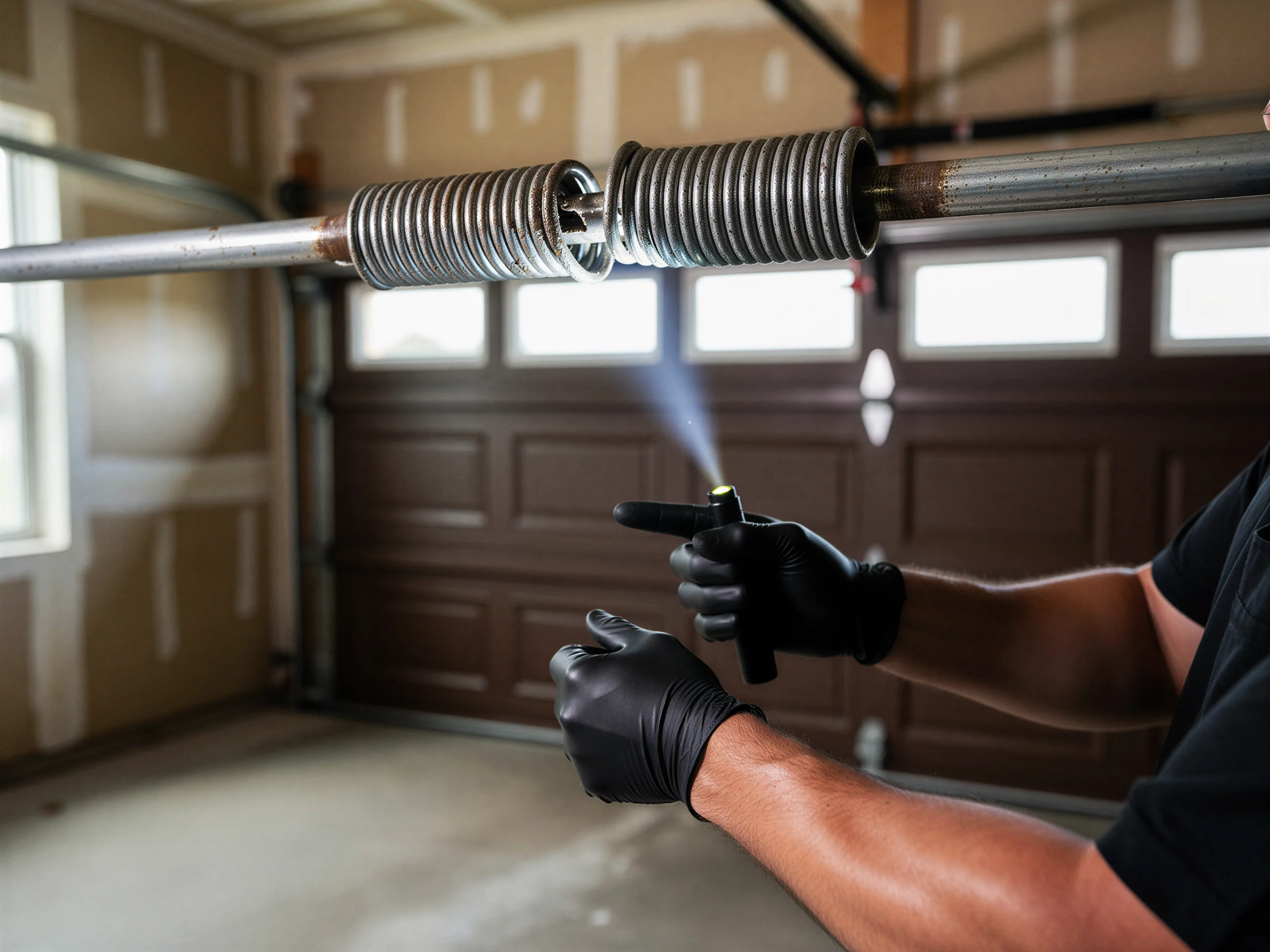
Watertown's garage doors mostly date to 1976 - narrow track, extension springs, steel slabs. Learn more →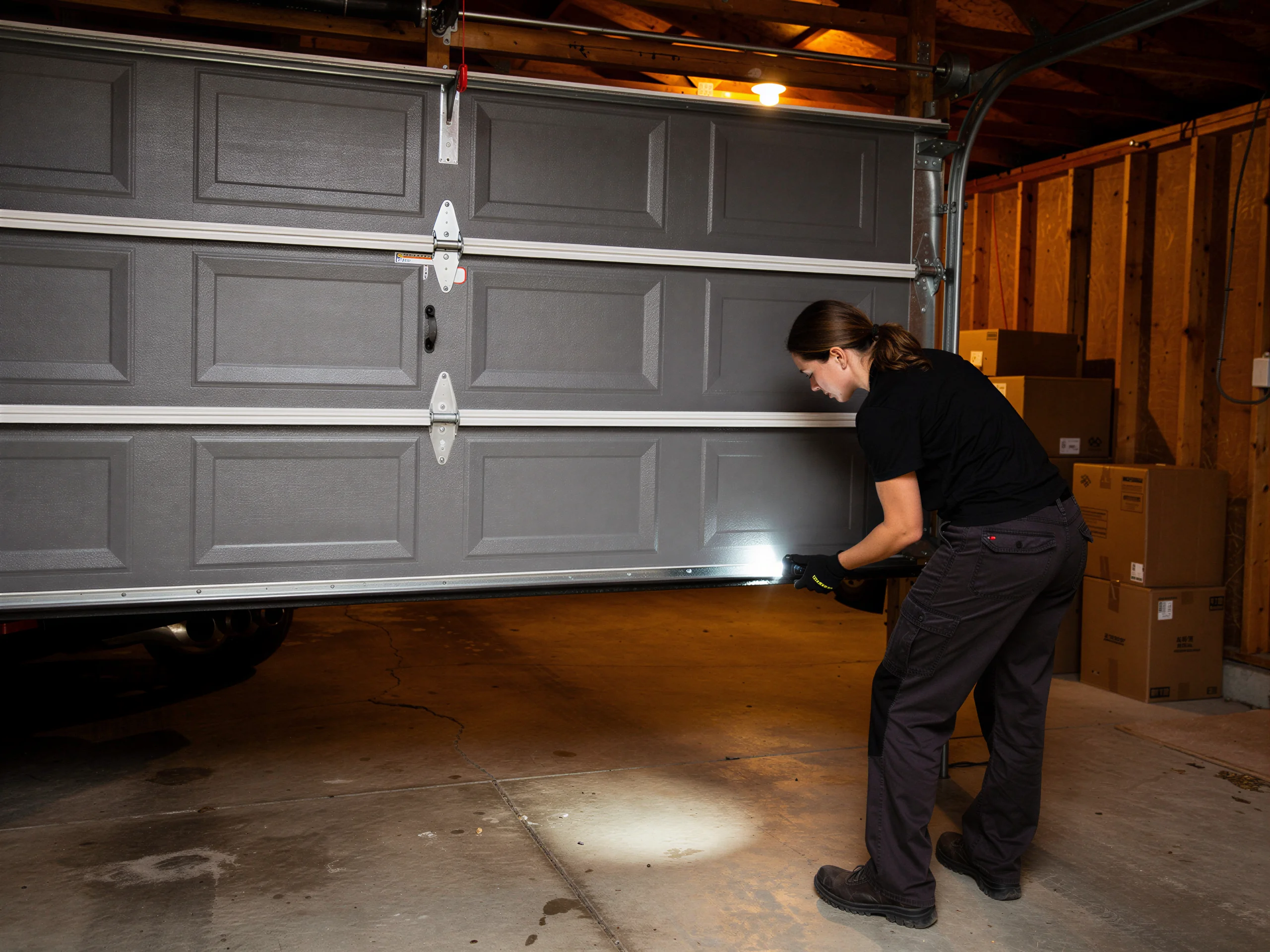
Garage Door Repair
Watertown homes mostly went up around 1976, a few years ahead of the wider Lake City area's 1982 median. Learn more →
Garage Door Service
Watertown, FL homes date mostly to the mid-1970s, meaning older garage door hardware and springs built for that era. Learn more →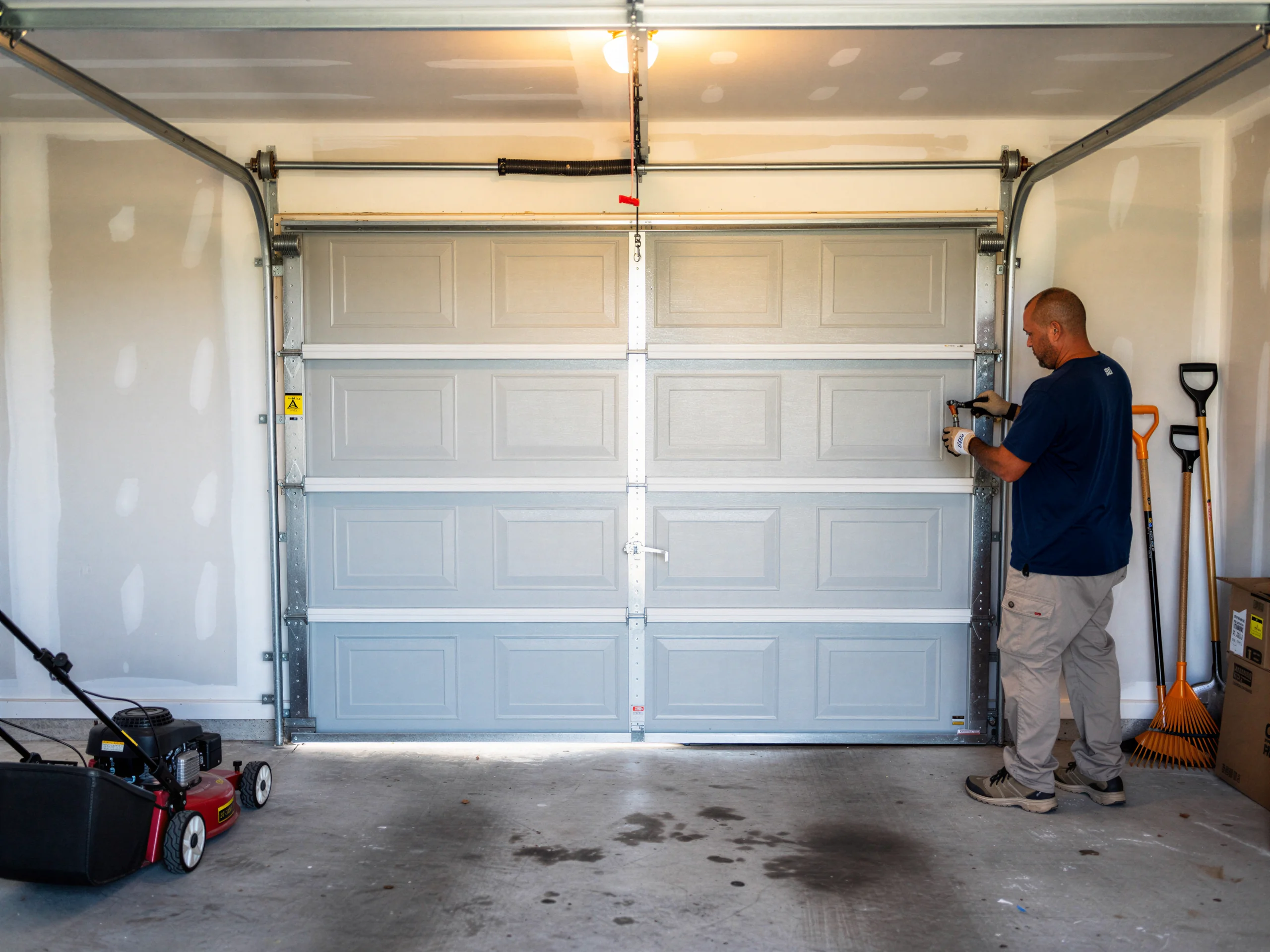
New Door Installation
Watertown houses mostly went up around 1976. Learn more →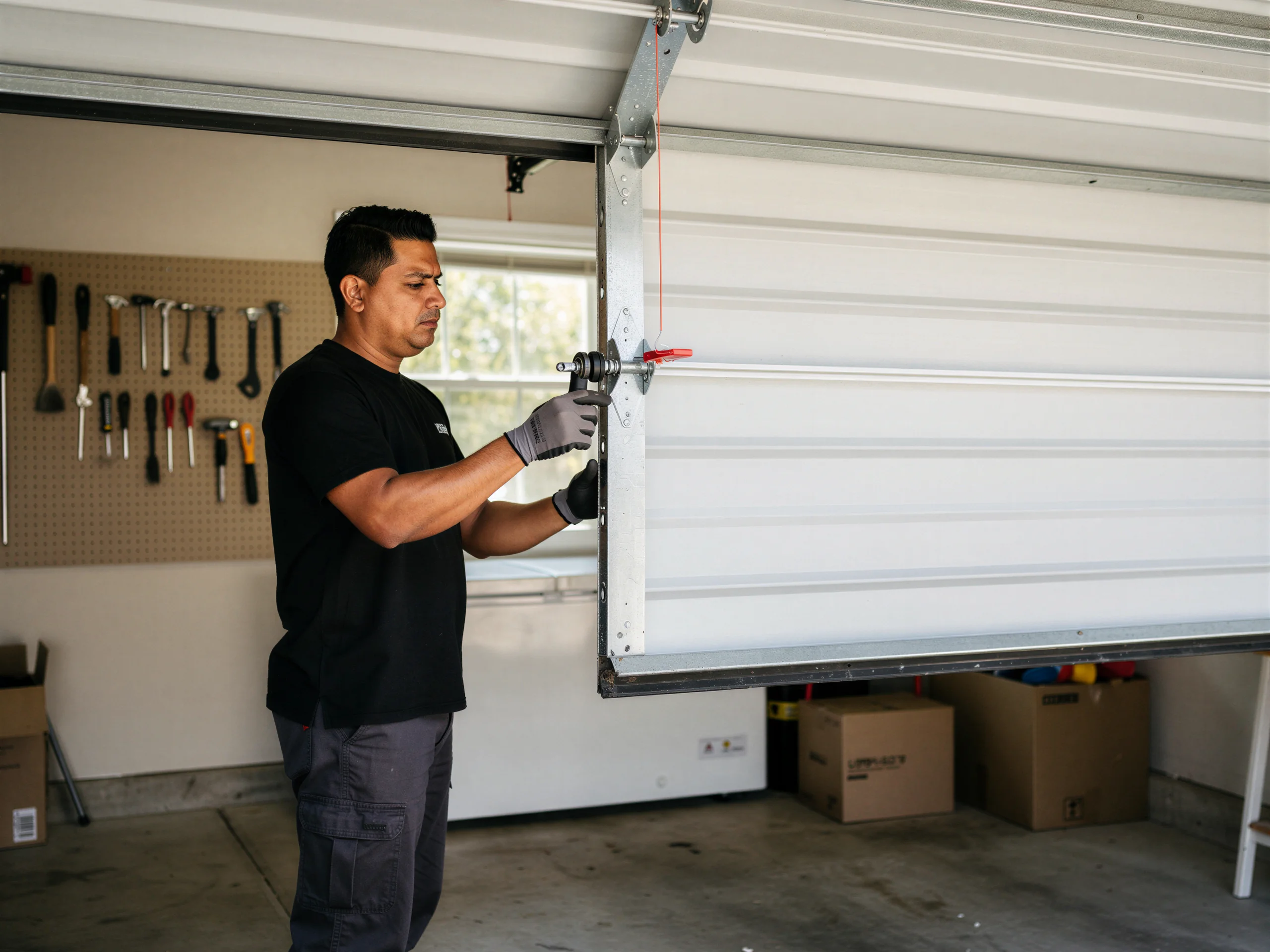
Off Track Repair
Watertown homes date mostly to 1976, and that original track hardware is why doors jump track here. Learn more →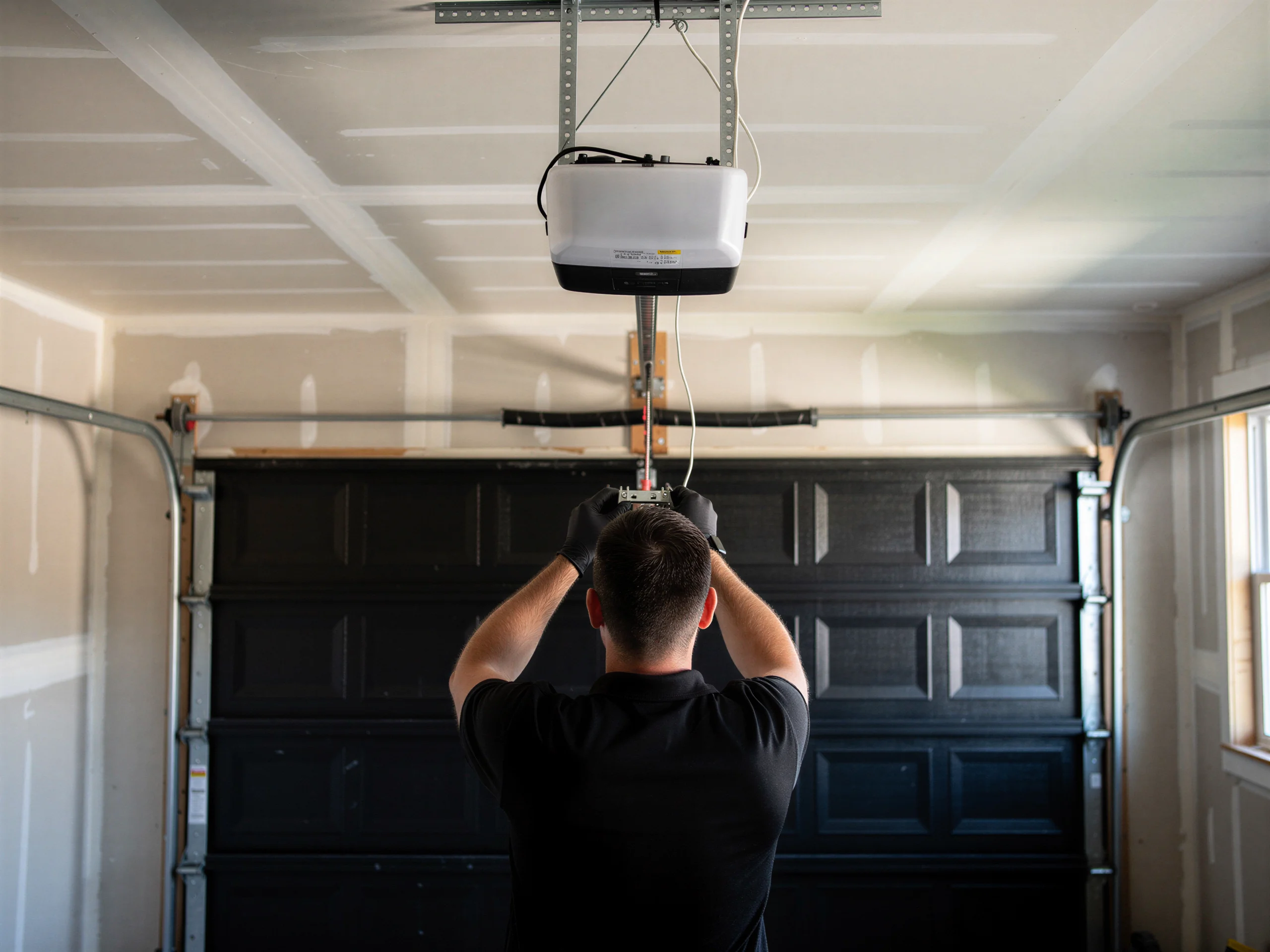
Opener Installation
Watertown's homes date to around 1976, often with openers that have outlived their circuit boards. Learn more →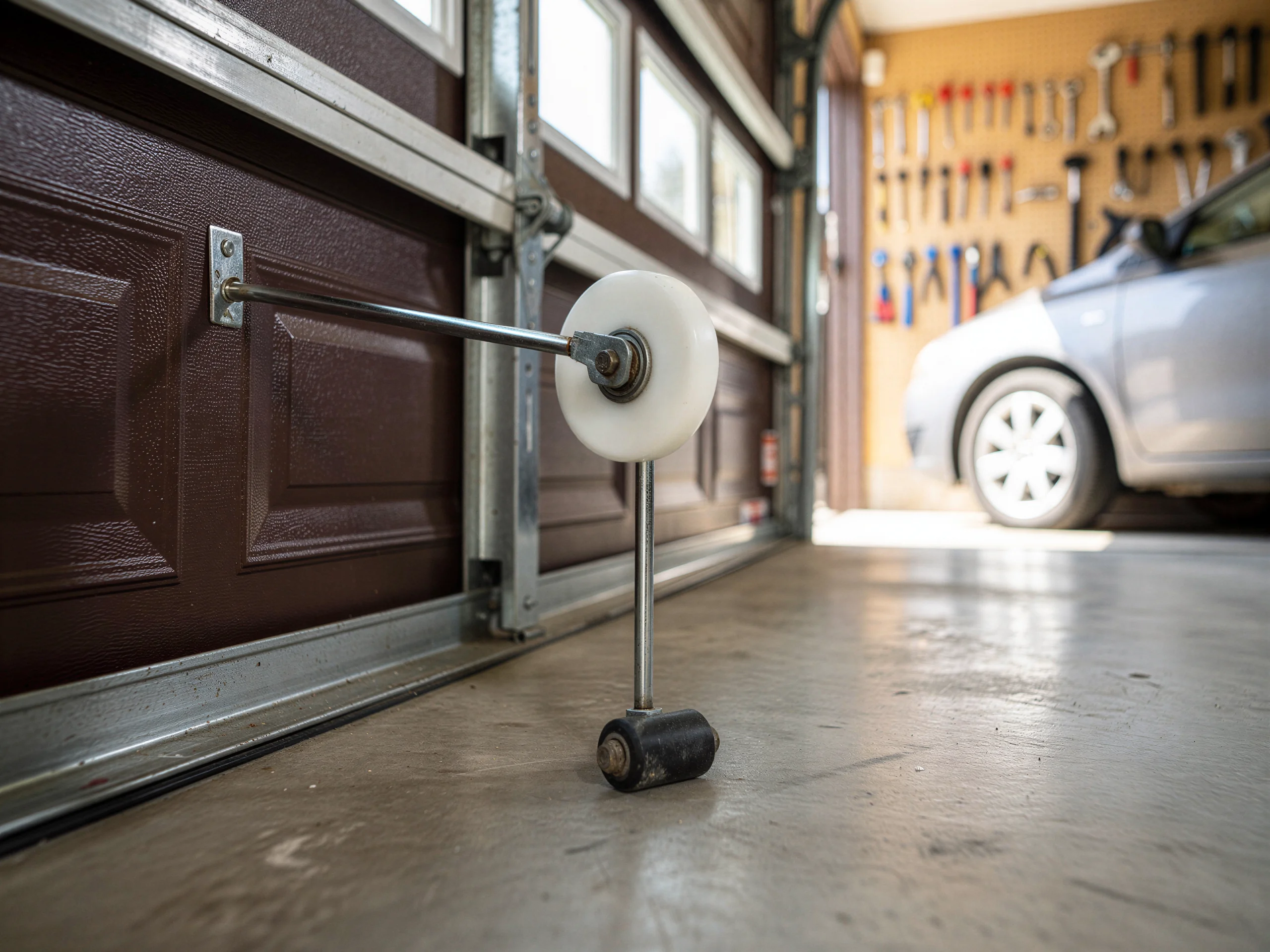
Roller Replacement
Roller replacement for Watertown's 1970s-era garage doors, priced for a $43,164 median income. Learn more →Ready when you are
Time for a garage door tune-up in Watertown?
Lake City Garage Door Pros repairs and installs garage doors, springs and openers in Lake City, FL and the surrounding area.